

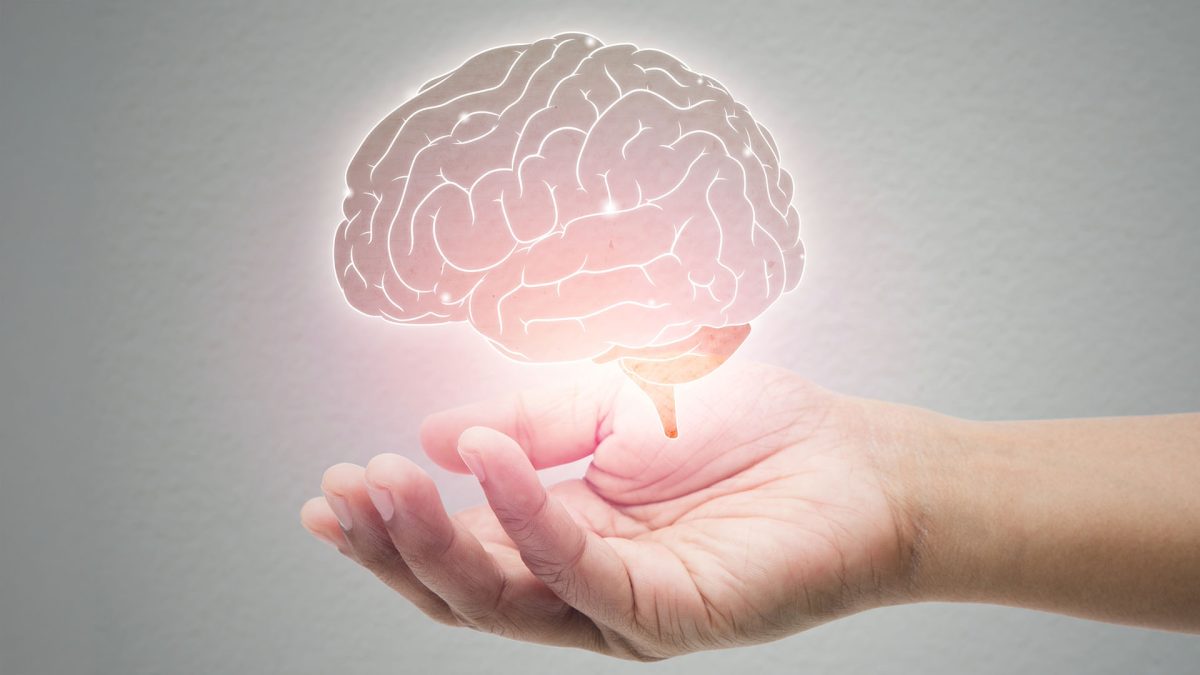
When Your Body Speaks, Listen
My body was screaming, but I had been deaf to its cries. The headaches came first, pounding like a jackhammer behind my eyes. Then the muscle tension, turning my shoulders into rocks. Sleep? A distant memory. I tossed and turned, my mind racing with deadlines and to-do lists.
These weren't just random aches and pains. They were my body's desperate attempt to get my attention. According to a Statista report, I wasn't alone in my struggle. A staggering 66% of young adults aged 18-24 reported experiencing moderate to severe stress symptoms in 2022. That's two out of every three people my age!
My stomach joined the rebellion, churning with anxiety. Nausea became my unwelcome breakfast companion. Even my skin betrayed me, breaking out in stress-induced acne. I felt like my body was falling apart, piece by piece.
The final straw? A panic attack that left me gasping for air in the middle of a crucial meeting. My heart raced, my palms sweated, and the room spun. In that moment, I couldn't ignore it anymore. My body was done whispering. It was shouting, "Enough!"
It was time to listen. To acknowledge that stress isn't just in your head – it's a full-body experience. And if we don't pay attention to these physical warnings, we risk our health and happiness. Don't wait for your body to scream. Learn to listen to its whispers.
The Wake-Up Call
I knew something was seriously wrong when I collapsed in the middle of my workout. My heart was racing, my vision blurred, and my muscles felt like jelly. Panic set in as I realized I couldn't ignore my body's signals any longer. The next day, I found myself in my doctor's office, anxiously awaiting answers.
Dr. Johnson's diagnosis hit me like a ton of bricks: severe stress-induced exhaustion. She explained how chronic stress had taken a toll on my body, leading to physical symptoms I'd been dismissing for weeks. My blood pressure was through the roof, and my cortisol levels were off the charts.
"Olivia, your body is screaming for help," Dr. Johnson said gently. "If you don't make changes now, you're headed for burnout or worse."
Her words were a wake-up call I couldn't ignore. I realized how close I'd come to a complete breakdown. The constant headaches, insomnia, and muscle tension weren't just inconveniences – they were my body's desperate attempts to get my attention.
As I left the clinic with a treatment plan in hand, I felt a mix of relief and determination. This experience taught me a crucial lesson: ignoring stress doesn't make it go away. It only allows it to grow stronger, eventually manifesting in ways that can't be ignored.
Turning Stress into Strength
After my wake-up call, I knew I had to make changes. I started small, focusing on deep breathing exercises throughout the day. It was amazing how just a few minutes of mindful breathing could calm my racing heart and clear my mind.
Next, I revamped my fitness routine. Instead of pushing myself to exhaustion, I incorporated more low-impact activities like yoga and swimming. These gentle exercises helped me stay active without adding more stress to my body.
I also learned the power of saying "no." Setting boundaries at work and in my personal life was tough at first, but it freed up time for self-care. I started meditating daily, even if just for 10 minutes. The peace I found in those quiet moments was invaluable.
Nutrition played a big role too. I cut back on caffeine and focused on eating more whole foods. The change in my energy levels was noticeable within weeks.
Perhaps the most important step was seeking support. I joined a stress management group and found comfort in sharing experiences with others. It reminded me that I wasn't alone in this struggle.
Research backs up the effectiveness of these strategies. According to the American Psychological Association, 73% of people who use stress management techniques report them as very or somewhat effective.
Remember, managing stress is a journey, not a destination. Be patient with yourself and celebrate small victories. Your body and mind will thank you.

Lessons from the Stress Trenches
Looking back, I realize how much this experience changed me. It's like I've been through a stress boot camp, and now I'm tougher and wiser. I've learned to listen to my body's whispers before they become shouts. That tension in my shoulders? It's not just from a tough workout anymore. It's my body's early warning system.
Did you know that in 2022, a whopping 66% of young adults aged 18-24 reported moderate to severe stress symptoms? That's me, and maybe you too. We're not alone in this stress epidemic. But here's the good news: we can do something about it.
I've discovered that stress management isn't a one-size-fits-all deal. It's about finding what works for you. For me, it's a mix of yoga, deep breathing, and sometimes just saying "no" to that extra commitment. It's okay to put yourself first sometimes.
The biggest lesson? Stress is not a badge of honor. It's not a sign of how hard you're working or how much you care. It's a signal that something needs to change. And trust me, making that change is worth it.
Remember, your mental health is just as important as your physical health. They're two sides of the same coin. So next time you feel overwhelmed, take a step back. Breathe. And remember that taking care of yourself isn't selfish – it's necessary.
Your Stress-Free Future Starts Now
Hey there, stress warriors! It's time to take charge of your well-being. Remember, you're not alone in this battle. Let's kick stress to the curb together!
First, prioritize sleep. A good night's rest is your secret weapon against stress. Aim for 7-9 hours of quality sleep each night. Create a relaxing bedtime routine and stick to it.
Next, move that body! Exercise is a powerful stress-buster. Find an activity you love, whether it's dancing, hiking, or yoga. Even a 10-minute walk can work wonders for your mood.
Fuel your body right. Ditch the junk food and embrace nutrient-rich meals. Your body and mind will thank you. Stay hydrated too – water is your best friend!
Don't forget to breathe. Take a few minutes each day for deep breathing exercises. It's amazing how a few slow breaths can calm your racing mind.
Connect with others. Share your feelings with friends or family. Sometimes, a good chat can lighten your mental load.
Lastly, be kind to yourself. You're doing great! Celebrate small wins and practice self-compassion.
Ready to start your stress-free journey? Take the first step today. Your future self will thank you!
SingleCare's 2024 stress statistics show that 33% of people feel extreme stress. Don't be part of that statistic. Take control of your stress now. You've got this!


