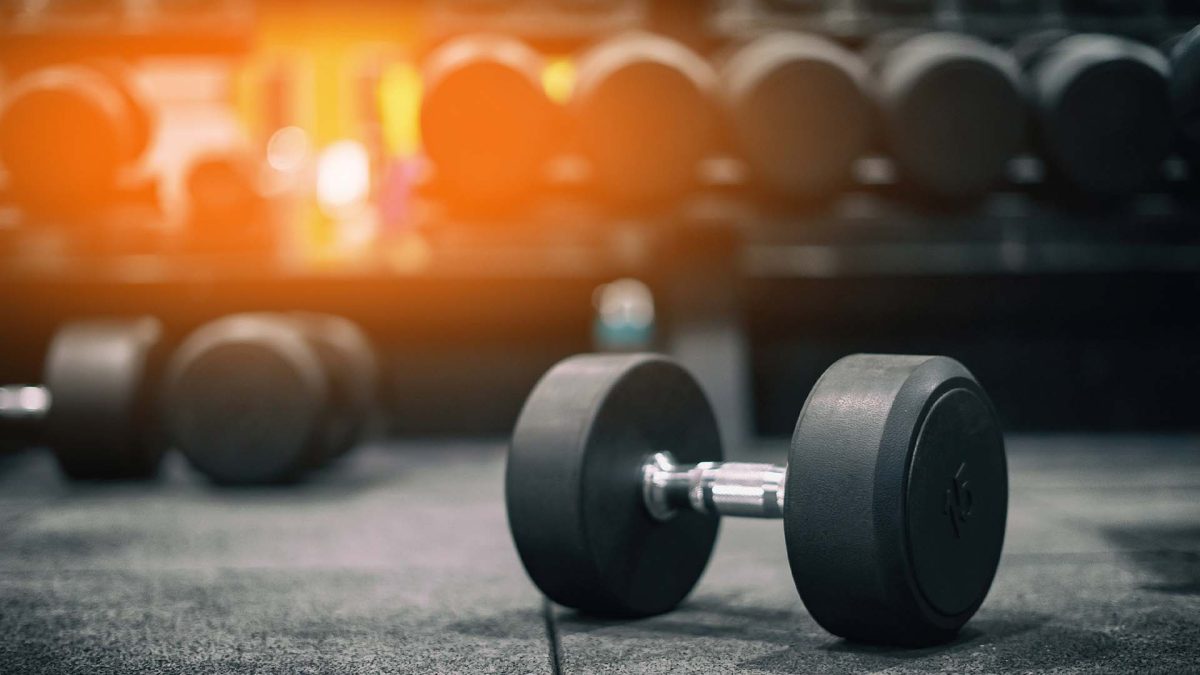
Ready to break free from monthly gym fees? Creating your home gym doesn't have to break the bank. Let's explore how you can build an effective workout space that fits your budget and fitness goals.
A basic home gym setup costs between $175-$250, while yearly gym memberships range from $120-$300. Over five years, this smart investment could save you up to $1,250, according to a comprehensive study by DMoose. Even if you opt for a more elaborate setup costing $2,500, you'll still come out ahead compared to premium gym memberships that can reach $2,400 annually.
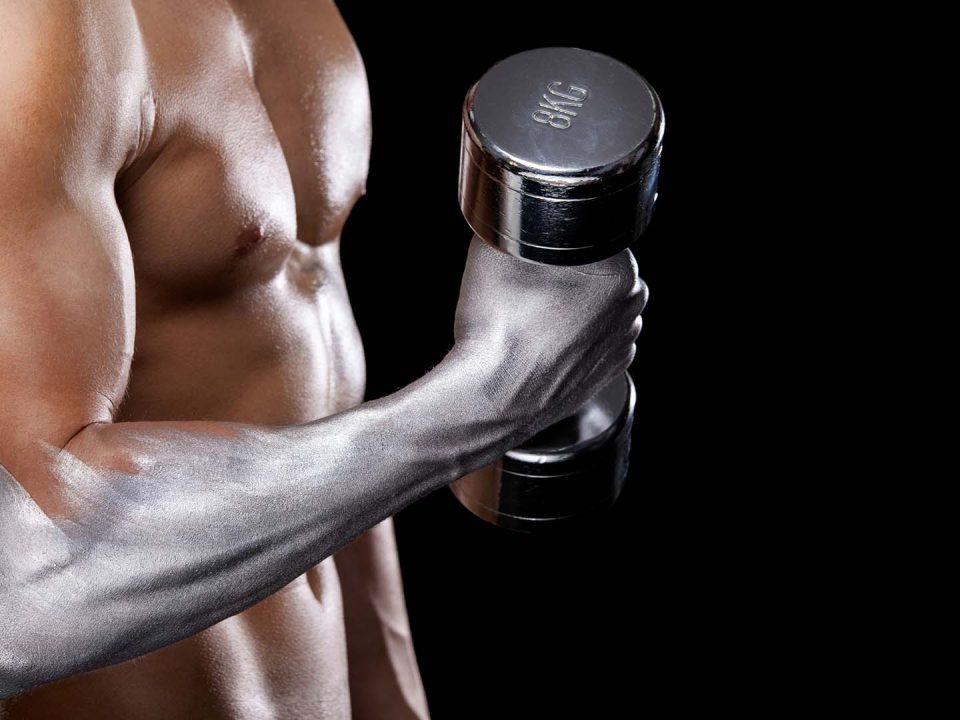
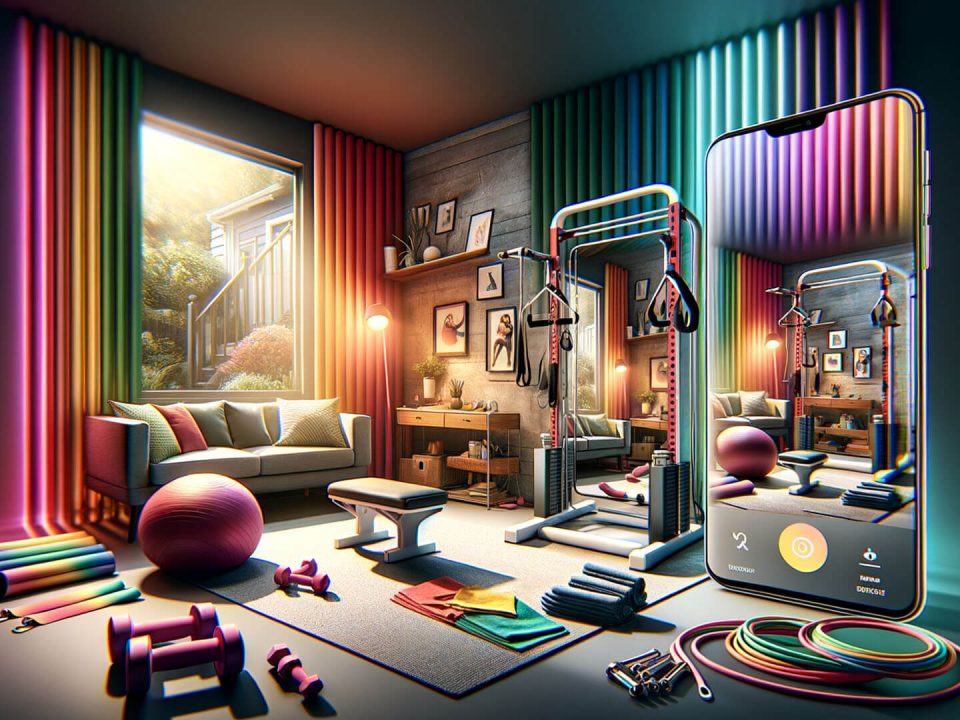
Start with versatile essentials that give you the most bang for your buck. Resistance bands, a quality set of adjustable dumbbells, and a stability ball provide endless workout possibilities while keeping costs low. Fitness Town's research shows these basics can effectively replace most gym equipment for strength training.
Think long-term value when selecting equipment. A sturdy yoga mat ($20-30) and resistance bands ($15-25) offer incredible versatility at minimal cost. Add a pair of adjustable dumbbells ($100-150) and you've got everything needed for full-body workouts. BarBend's equipment guide confirms these essentials provide excellent value for beginners and experienced athletes alike.
Remember, you don't need everything at once. Start with basic equipment and expand your collection as your fitness journey progresses. Focus on multi-purpose items that work for various exercises. This approach helps maximize your investment while building an effective home gym that grows with you.
Your home gym journey starts now. Make smart choices, invest in quality basics, and watch your savings grow while achieving your fitness goals. The perfect home gym isn't about having everything – it's about having the right equipment for your needs.
Cost Analysis: Home Gym vs. Traditional Gym
Ready to break free from monthly gym fees? Let's crunch the numbers on creating your own workout space. A basic home gym setup costs between $175-$250, while yearly gym memberships typically range from $120-$300. Over five years, this simple setup could save you up to $1,250 - that's enough for a dream vacation!
Want to level up? A premium home gym investment of $2,500-$5,000 might seem steep initially. However, compare this to high-end gym memberships costing $1,200-$2,400 annually. The math is clear - you could pocket up to $7,000 over five years with a home setup, according to DMoose.
Beyond the obvious savings, consider these hidden costs of gym memberships:
- Gas and travel expenses
- Annual enrollment fees
- Parking charges
- Workout clothes replacement
- Locker rentals
Fitness Town research shows home gyms typically pay for themselves within 12-24 months. Plus, you'll never wait for equipment or feel rushed during peak hours again. Your investment grows in value with every workout, while membership fees simply disappear from your wallet.
Think of your home gym as a one-time investment in your health and wealth. The initial cost might surprise you, but the long-term savings are undeniable. Ready to make the switch? Your future self (and your wallet) will thank you.

Essential Budget-Friendly Equipment
Starting your home gym doesn't need to break the bank. A well-planned $250 investment can give you everything needed for effective full-body workouts. Let's explore the must-have equipment that offers the most bang for your buck.
Resistance bands are your first essential purchase, typically costing $15-30. These versatile tools provide adjustable resistance for strength training and mobility work. According to BarBend (https://barbend.com/best-budget-home-gym-equipment/), a quality set of bands can replace multiple pieces of traditional gym equipment.
A pair of adjustable dumbbells ($50-80) should be next on your list. The Fitnessista recommends starting with weights between 5-20 pounds, allowing you to perform hundreds of different exercises while saving space.
Don't overlook the importance of a yoga mat ($20-30). Beyond yoga, it provides crucial cushioning for floor exercises and helps protect your joints. Gray Matter Lifting suggests investing in a thicker mat for added comfort during core work.
A suspension trainer ($30-50) transforms any doorway into a full gym. This single piece of equipment enables dozens of bodyweight exercises, from rows to pistol squats. DMoose highlights its effectiveness for building strength and improving stability.
Complete your basic setup with a foam roller ($15-25) for recovery and mobility work. This simple tool helps prevent injuries and enhances workout performance. Fitness Town emphasizes its importance in maintaining consistent training progress.
Remember, quality matters even on a budget. Choose equipment that's durable and versatile rather than the absolute cheapest option. This foundation allows you to build an effective workout routine while leaving room to expand your gym as your fitness journey progresses.
Smart Shopping Strategies for Home Gym Equipment
Ready to build your home gym without breaking the bank? Let's explore some money-saving strategies that actually work. January and June typically offer the best deals on fitness equipment, according to BarBend's annual pricing analysis.
Start by checking online marketplaces during off-peak seasons. September and October often feature clearance sales as retailers make room for new models. The Fitnessista recommends setting price alerts on major retail sites to catch flash deals.
Don't overlook second-hand equipment – just be smart about it. Focus on durable items like weight plates, benches, and resistance bands. Avoid used treadmills or ellipticals unless you're confident checking their mechanical condition. Facebook Marketplace and local sports equipment stores often have quality used gear at 40-60% off retail prices.
Consider these trusted budget-friendly brands:
- CAP Barbell for basic weights
- Yes4All for adjustable dumbbells
- TRX for suspension trainers
- AmazonBasics for resistance bands
Sign up for retailer newsletters to get early access to sales. Many fitness equipment stores offer first-time buyer discounts of 10-15%. Combine these with seasonal promotions for maximum savings. According to Gray Matter Lifting, buying equipment bundles can save you up to 25% compared to individual purchases.
Remember to factor in shipping costs – they can add up quickly with heavy equipment. Look for free shipping deals or local pickup options. Some retailers offer assembly services, but doing it yourself can save $50-100 per piece of equipment.
Space-Saving Solutions
Limited space shouldn't limit your fitness goals. Smart equipment choices can transform even the smallest area into an effective workout zone. Adjustable dumbbells are a game-changer, replacing multiple weight sets while taking up minimal space. According to BarBend, a single pair can replace up to 15 sets of traditional dumbbells.
Foldable equipment is your best friend in tight spaces. A quality folding bench can slide under your bed when not in use, while resistance bands can hang on hooks or store in drawers. The Fitnessista recommends vertical storage solutions, like wall-mounted racks, to maximize floor space.
Consider equipment that serves multiple purposes. A sturdy step platform doubles as a weight bench and cardio tool. Suspension trainers attach to doors or ceiling mounts, offering full-body workouts without permanent installation. Fitness Town suggests investing in stackable exercise mats that provide cushioning for floor exercises and can be easily stored.
Create designated workout zones that transform as needed. A corner of your living room can become your fitness area with mobile equipment. Keep weights on a rolling cart for easy access and storage. Remember, a well-planned 6x6 foot space is enough for most home workouts when you choose the right equipment.

Getting Started Guide
Starting your home gym doesn't have to be overwhelming. Begin with a resistance band set ($15-30) and a pair of adjustable dumbbells ($100-150). These versatile tools let you target every major muscle group effectively. Add a yoga mat ($20-30) for comfort during floor exercises and stretching.
For cardio enthusiasts, a jump rope ($10-15) offers an incredible workout that builds endurance and coordination. If your budget allows, consider adding a kettlebell ($30-50) – it's perfect for both strength and cardio training. According to BarBend, these basics can provide hundreds of exercise variations.
Build your gym gradually. The Fitnessista recommends starting with bodyweight exercises and adding equipment monthly based on your progress and needs. Check equipment thoroughly before each use and maintain proper form. Keep weights organized against walls and secure resistance bands after use to prevent accidents.
Monthly maintenance is simple – wipe equipment with antibacterial spray and check for wear. According to Gray Matter Lifting, quality basic equipment typically lasts 5-10 years with proper care, making it a smart long-term investment.
Remember to start slowly and focus on form. Create a dedicated workout space, even if it's just a corner of your room. Track your progress and adjust your equipment collection as your fitness level improves. Most importantly, celebrate small wins – every workout brings you closer to your goals.
Expert Recommendations
Ready to build your dream home gym without breaking the bank? Let's dive into what fitness professionals recommend for the perfect balance of quality and affordability.
Start with resistance bands - they're a game-changer for any home gym. According to BarBend, a quality set costs around $20-30 and can replace multiple pieces of expensive equipment. These versatile tools offer progressive resistance for strength training and rehabilitation exercises.
Adjustable dumbbells are your next smart investment. The Fitnessista recommends looking for sets that range from 5-50 pounds. While they might cost more upfront ($200-300), they replace multiple dumbbell sets and save valuable space.
Don't overlook the importance of a quality exercise mat. Fitness Town suggests investing in a thick, durable mat ($40-60) to protect both your joints and floor during workouts.
For cardio equipment, experts at DMoose recommend starting with a jump rope ($10-15). It's incredibly effective for cardiovascular fitness and takes up minimal space.
When shopping for equipment, focus on durability over fancy features. Gray Matter Lifting emphasizes checking weight limits, material quality, and user reviews before purchasing. Remember, it's better to buy once and buy right than replace cheap equipment repeatedly.
Consider your fitness goals when selecting equipment. If strength training is your focus, prioritize free weights. For general fitness, a combination of resistance bands, adjustable dumbbells, and bodyweight equipment will cover most workout needs.