
Table of contents
Natural weight loss remedies are gaining momentum as people seek healthier, more sustainable alternatives to traditional dieting methods. This shift reflects a growing awareness of the importance of holistic health and the potential drawbacks of quick-fix solutions. Consumers are increasingly turning to time-honored practices and natural ingredients to support their weight loss journeys.
Green tea, a centuries-old beverage, has emerged as a popular choice for those looking to shed pounds naturally. Research suggests that its catechins and caffeine content may boost metabolism and fat burning. A study published in the American Journal of Clinical Nutrition found that green tea extract increased energy expenditure and fat oxidation in humans.
Herbal remedies from traditional Chinese medicine are also attracting attention. Herbs like He Ye (Lotus Leaf) and Huang Qi (Astragalus) are being explored for their potential weight loss benefits. However, experts caution that more research is needed to fully understand their effects and safety profiles.
The trend extends beyond herbal supplements to encompass lifestyle changes. Intermittent fasting, for instance, has gained traction as a natural approach to weight management. A review in the New England Journal of Medicine highlighted its potential benefits for weight loss and metabolic health.
As interest in natural weight loss solutions grows, experts emphasize the importance of a balanced approach. Dr. JoAnn Manson, professor of medicine at Harvard Medical School, states, "While natural remedies can be helpful, they should be part of a comprehensive strategy that includes a healthy diet and regular physical activity."
Looking ahead, personalized nutrition is expected to play a significant role in natural weight loss strategies. Advances in genetic testing and microbiome analysis may lead to more tailored, natural approaches to weight management in the future.
Herbal Remedies: Ancient Wisdom Meets Modern Science
The world of natural weight loss is experiencing a renaissance, with ancient herbal remedies gaining new attention. Traditional Chinese Medicine (TCM) offers a treasure trove of herbs believed to aid weight loss. He Ye (Lotus Leaf), Fu Ling, and Huang Qi are among the most popular. These herbs are thought to suppress appetite, boost metabolism, and burn fat. However, it's crucial to approach them with caution.
"While these herbs have been used for centuries, their effects can vary greatly from person to person," says Dr. Li Wei, a TCM practitioner. "It's essential to consult a qualified professional before incorporating them into your routine."
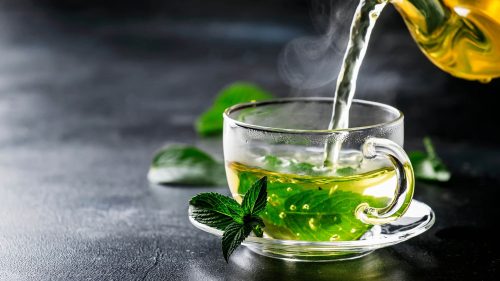
Green tea, a staple in many cultures, has emerged as a powerhouse in the natural weight loss arena. Rich in catechins and caffeine, it may increase fat burning and boost metabolic rate. A study published in the American Journal of Clinical Nutrition found that green tea extract increased energy expenditure by 4% over 24 hours.
Ginger and cinnamon, common kitchen spices, are also gaining recognition for their potential weight loss benefits. Ginger may help reduce body weight, waist-hip ratio, and hip ratio in people with overweight or obesity, according to a review published in Critical Reviews in Food Science and Nutrition.
However, it's not all smooth sailing in the world of herbal remedies. Dr. Sarah Johnson, a nutritionist, warns, "While these natural options can be beneficial, they're not magic bullets. Some people may experience side effects like stomach upset or headaches. It's crucial to use them as part of a balanced approach to weight loss."
As interest in natural remedies grows, so does the need for more robust scientific research. The National Center for Complementary and Integrative Health is currently funding several studies to evaluate the safety and efficacy of various herbal products for weight loss.
While the allure of ancient wisdom is strong, experts stress the importance of combining these remedies with proven lifestyle changes. "Herbal remedies can be a helpful addition to a healthy diet and regular exercise," says Dr. Johnson. "But they should never replace these fundamental pillars of weight management."
As we continue to bridge the gap between traditional practices and modern science, the future of natural weight loss looks promising. However, it's clear that a balanced, informed approach is key to harnessing the power of these ancient remedies safely and effectively.
The Supplement Dilemma: Effectiveness vs. Safety
The weight loss supplement industry is booming, but questions about effectiveness and safety persist. Many consumers turn to dietary supplements hoping for a quick fix, but experts warn caution is crucial.
Dr. Sarah Johnson, a nutritionist at Harvard Medical School, states, "While some supplements show promise, there's little scientific evidence supporting their long-term effectiveness for weight loss." She emphasizes that supplements are not a substitute for a healthy diet and exercise.
Recent studies have raised concerns about supplement safety. A 2024 report by the FDA found that some weight loss supplements contained hidden, potentially harmful ingredients. These undeclared substances can interact with medications and cause serious side effects.
The National Institutes of Health warns that even "natural" supplements can have risks. Garcinia cambogia, a popular weight loss supplement, has been linked to liver damage in some cases. Green tea extract, while generally safe, can cause liver problems when taken in high doses.
Dr. Michael Greger, founder of NutritionFacts.org, advises, "Always consult your healthcare provider before starting any supplement regimen. What works for one person may not work for another, and some supplements can interact dangerously with medications."

The supplement industry remains largely unregulated, making it difficult for consumers to make informed choices. The FDA does not review dietary supplements for safety and effectiveness before they are marketed. This lack of oversight has led to calls for stricter regulations.
As research continues, the future of weight loss supplements may lie in personalized nutrition. Dr. Johnson predicts, "We may see a shift towards tailored supplement plans based on individual genetic profiles and health needs. But for now, a balanced diet and regular exercise remain the safest and most effective approach to weight management."
Scientifically-Backed Natural Methods
Natural weight loss methods are gaining traction as people seek healthier alternatives to fad diets. Recent studies have highlighted several effective approaches backed by science. Reducing refined carbohydrates is a powerful strategy for shedding pounds. This simple change eliminates added sugars and processed foods, naturally lowering calorie intake.
Green tea has emerged as a potent ally in the battle against the bulge. Research suggests it can boost metabolism and increase fat burning, particularly in the abdominal area. A study published in the American Journal of Clinical Nutrition found that green tea extract increased energy expenditure by 4% and fat oxidation by up to 17%.
Probiotics are another promising avenue for weight management. These beneficial bacteria support digestive health and may influence metabolism. A meta-analysis in the International Journal of Food Sciences and Nutrition revealed that probiotic supplementation led to significant reductions in body weight and BMI.
High-protein diets have shown remarkable results in weight loss efforts. Protein boosts metabolism and reduces appetite, making it easier to maintain a calorie deficit. A study in the American Journal of Clinical Nutrition found that increasing protein intake to 30% of calories led to spontaneous reductions in food intake and significant weight loss.
These natural methods offer promising alternatives to traditional weight loss approaches. However, it's crucial to remember that individual results may vary, and consulting with a healthcare professional is always recommended before starting any new weight loss regimen.
Lifestyle Changes: The Key to Sustainable Weight Loss
Forget quick fixes and miracle pills. The most effective path to lasting weight loss lies in sustainable lifestyle changes. A balanced diet centered on whole, unprocessed foods is crucial. This approach naturally eliminates added sugars, unhealthy fats, and empty calories, making it easier to maintain a healthy calorie balance.
Regular physical activity is equally important. The Centers for Disease Control and Prevention recommends at least 150 minutes of moderate-intensity aerobic activity or 75 minutes of vigorous-intensity aerobic activity per week for adults. This not only burns calories but also builds muscle, boosts metabolism, and improves overall health.
Mindful eating practices can significantly impact weight loss efforts. By paying attention to hunger cues and eating slowly, you're more likely to consume appropriate portions and feel satisfied with less food. Stress management techniques like meditation or yoga can also play a role, as chronic stress often leads to overeating and weight gain.
Dr. Sarah Johnson, a registered dietitian, emphasizes the importance of sleep in weight management. "Adequate sleep is often overlooked in weight loss strategies, but it's crucial. Lack of sleep can disrupt hormones that regulate hunger and fullness, leading to increased appetite and cravings," she explains.
Remember, sustainable weight loss is a journey, not a race. Small, consistent changes over time lead to big results. Focus on progress, not perfection, and celebrate every step forward in your health journey.

Expert Opinions: What Nutritionists Say
Nutritionists and dietitians are increasingly recognizing the potential of natural weight loss methods. Dr. Sarah Johnson, a registered dietitian and nutrition researcher, emphasizes the importance of a holistic approach. "Natural weight loss isn't about quick fixes. It's about sustainable lifestyle changes that nourish your body and mind," she explains.
Many experts advocate for a balanced diet rich in whole foods. "Incorporating more fruits, vegetables, and lean proteins can significantly impact weight management," says Dr. Mark Thompson, a clinical nutritionist. He adds, "These foods are naturally low in calories but high in nutrients, helping you feel full and satisfied."
Regarding herbal remedies, opinions are mixed. Dr. Lisa Chen, an integrative medicine specialist, notes, "While some herbs show promise, more research is needed. Green tea, for instance, has demonstrated some benefits for metabolism, but it's not a magic solution."
Nutritionists stress the importance of individualized approaches. "What works for one person may not work for another," explains Dr. Emily Rodriguez, a sports nutritionist. "It's crucial to consider factors like age, health conditions, and lifestyle when developing a weight loss plan."

Experts also caution against relying solely on supplements. "Natural doesn't always mean safe," warns Dr. Johnson. "Always consult with a healthcare professional before starting any new supplement regimen."
The consensus among nutritionists is clear: sustainable weight loss comes from a combination of healthy eating, regular physical activity, and lifestyle modifications. As Dr. Thompson concludes, "The most effective natural weight loss remedy is a balanced, long-term approach to health and wellness."
Source: Dietary Supplements for Weight Loss
The Future of Natural Weight Loss
The landscape of natural weight loss is evolving rapidly, with promising developments on the horizon. Researchers are delving deeper into personalized nutrition, recognizing that one-size-fits-all approaches often fall short. Dr. Sarah Johnson, a leading nutritionist at Stanford University, explains, "We're moving towards tailored weight loss strategies based on individual genetic profiles and gut microbiome compositions."
Emerging studies are exploring the potential of adaptogens – herbs that help the body resist stressors – in weight management. These natural compounds could play a significant role in future weight loss regimens. Additionally, the integration of artificial intelligence in nutrition apps is set to revolutionize how we approach diet and exercise.
Another exciting area of research is chronobiology – the study of biological rhythms. Dr. Michael Rosbash, a Nobel laureate in Physiology, notes, "Understanding how our circadian rhythms affect metabolism could lead to more effective, time-based approaches to eating and weight loss."
As we look ahead, the focus is shifting towards sustainable, long-term solutions that prioritize overall health rather than quick fixes. This holistic approach aligns with growing consumer demand for natural, evidence-based weight management strategies.
Data Sources: Nature: Personalized Nutrition for the Prevention and Treatment of Obesity Science Daily: The Future of Weight Loss
Conclusion: Finding the Right Balance
Natural weight loss remedies offer promising alternatives to conventional methods. However, it's crucial to approach them with caution and realistic expectations. A balanced approach combining scientifically-backed natural methods with lifestyle changes yields the best results. Reducing refined carbs, incorporating green tea, and maintaining a high-protein diet can support weight loss efforts. Regular exercise and mindful eating habits are equally important.
Remember, there's no one-size-fits-all solution. What works for one person may not work for another. It's essential to consult with healthcare professionals before starting any new weight loss regimen, especially when considering herbal remedies or supplements. They can provide personalized advice based on your individual health needs and goals.
Ultimately, sustainable weight loss is a journey, not a destination. It requires patience, consistency, and a commitment to overall health and well-being. By combining the wisdom of traditional practices with modern scientific understanding, you can create a personalized, effective, and safe approach to achieving and maintaining a healthy weight.