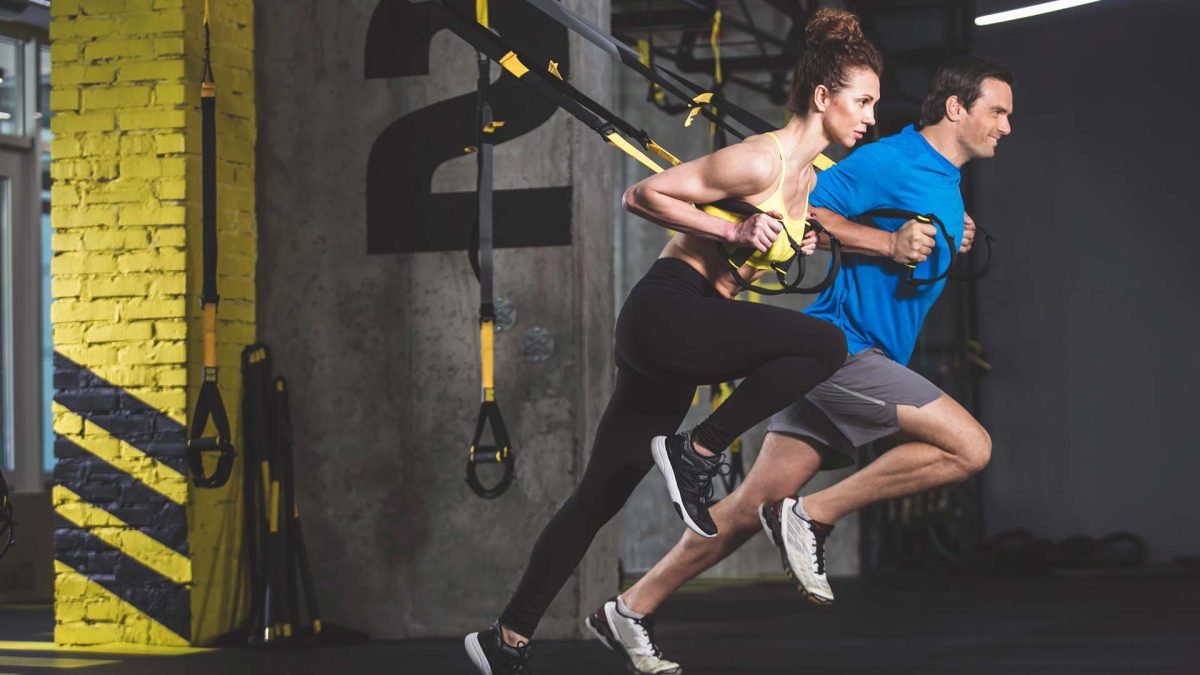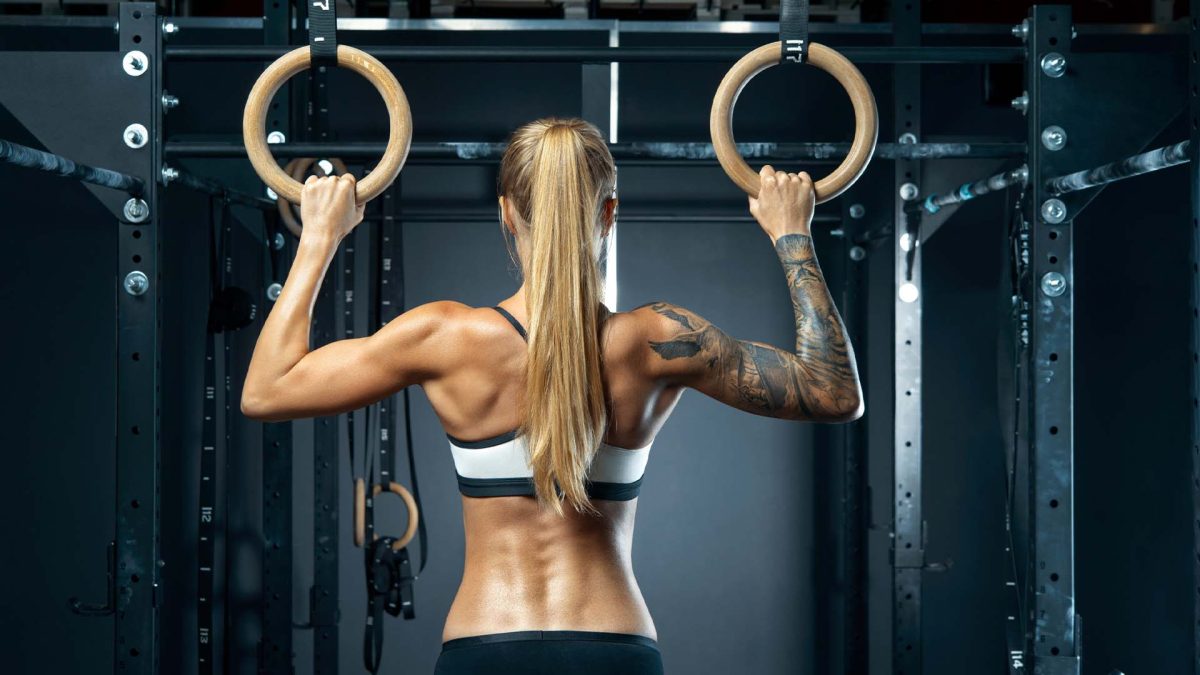
Ready to level up your fitness game but feeling stuck between functional fitness and CrossFit? You're not alone! These two popular training methods often create confusion among fitness enthusiasts. Let's clear the air and help you make an informed choice for your fitness journey.
Think of functional fitness and CrossFit as cousins in the fitness family – related but distinctly different. While both aim to improve your overall fitness, they take different paths to get you there. Functional fitness focuses on movements that mirror your daily activities, making everyday tasks easier. CrossFit, on the other hand, combines high-intensity workouts with competitive elements to push your limits.
According to TrainingPeaks, the surge in popularity of both methods has grown significantly over the past decade. A recent study from Two Six Fitness shows that 45% of gym-goers now incorporate elements of either functional fitness or CrossFit into their routines.
Your fitness goals, current fitness level, and preferred training style will play crucial roles in choosing between these methods. Whether you're looking to boost your everyday performance or challenge yourself in competitive workouts, understanding these differences will help you pick the path that best fits your journey.
Source: CrossFit Journal reports that both training styles have shown impressive results in improving overall fitness, but they cater to different types of athletes with varying goals and preferences.
What is Functional Fitness?
Functional fitness is a training approach that prepares your body for real-life movements and activities. Think about the ways you bend, twist, and reach throughout your day – functional fitness helps make these natural movements easier and safer.
Unlike traditional gym workouts that isolate specific muscles, functional training focuses on multi-joint movements that work several muscle groups at once. According to TrainingPeaks, this type of training improves your ability to perform daily tasks, from carrying groceries to playing with your kids.
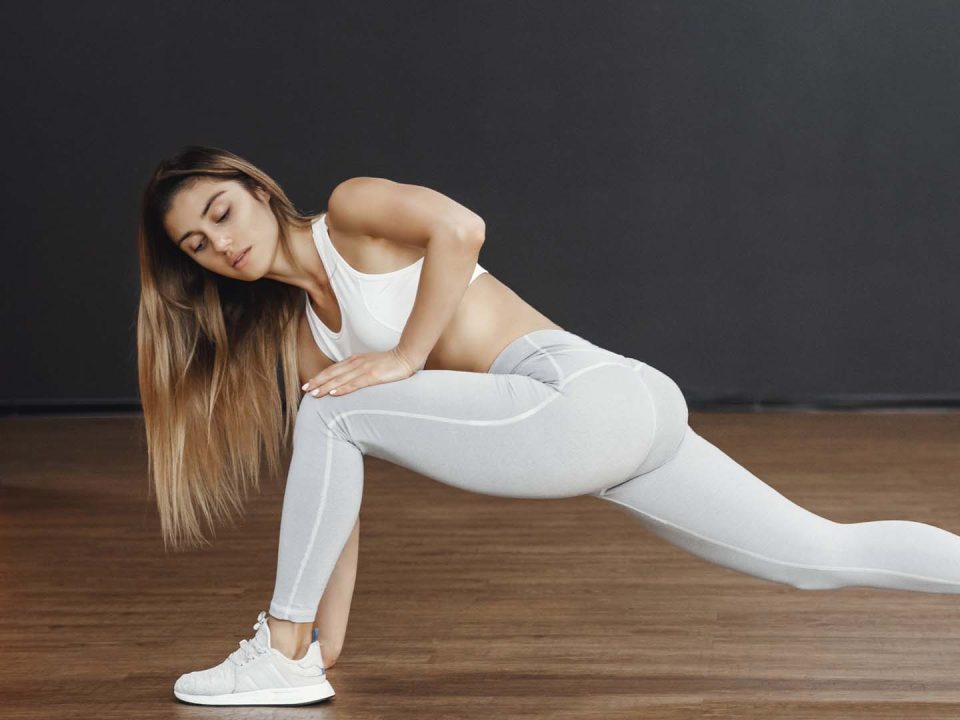
The core exercises in functional fitness include squats, lunges, pushups, and planks. These movements mirror everyday activities and help build practical strength. Research from Two Six Fitness shows that this approach leads to better balance, coordination, and overall body awareness.
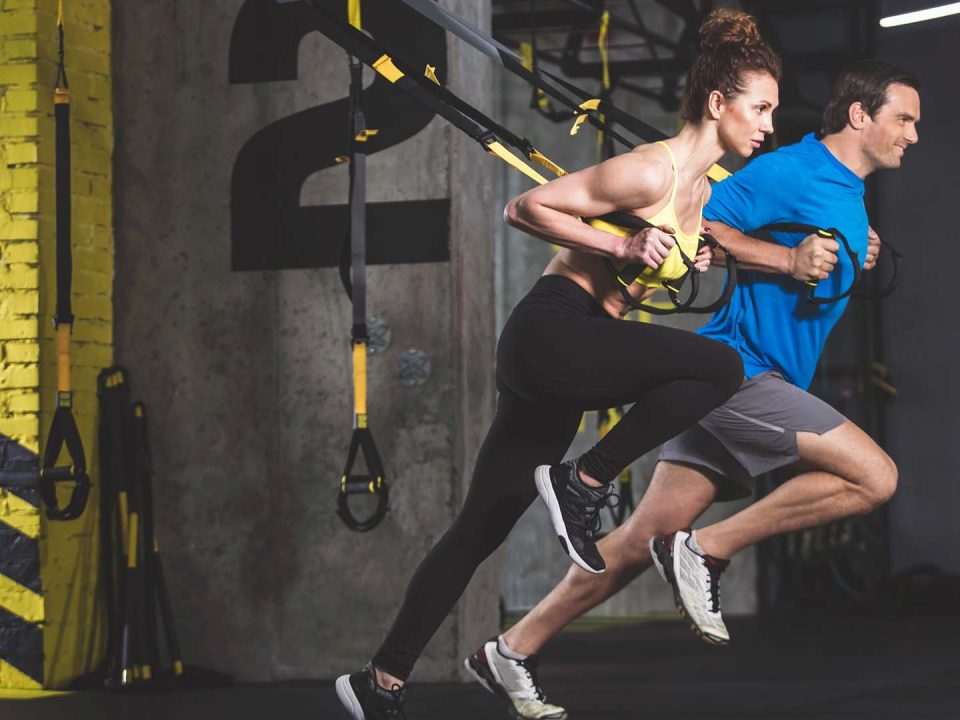
What sets functional fitness apart is its focus on controlled, purposeful movements. Each exercise has a direct connection to improving your quality of life. You'll typically use equipment like resistance bands, medicine balls, and your own body weight rather than heavy machinery.
The intensity level is customizable, making it suitable for all fitness levels. Whether you're just starting your fitness journey or you're an experienced athlete, functional training can be adapted to meet your needs. This adaptability helps reduce injury risk while still providing effective results.
Remember, functional fitness isn't about lifting the heaviest weights or racing against the clock. It's about moving better, feeling stronger, and improving your daily life through smart, purposeful training.

What is CrossFit?
CrossFit is a high-intensity fitness program that combines elements of weightlifting, cardio, and gymnastics. Founded in 2000, it focuses on constantly varied functional movements performed at high intensity. The workouts, known as WODs (Workout of the Day), challenge your entire body through different time domains and movement patterns.
Every CrossFit session typically includes a warm-up, skill work, strength or technique training, and a high-intensity conditioning piece. The program follows a unique methodology called "GPP" (General Physical Preparedness) that aims to build broad, inclusive fitness. According to CrossFit's official guidelines, workouts should push you to about 90% of your maximum effort to achieve optimal results.
The competitive aspect sets CrossFit apart from other fitness programs. Athletes track their performance using metrics like time, reps, and weight lifted. The CrossFit Games represent the pinnacle of the sport, where elite athletes compete to earn the title "Fittest on Earth."
A typical CrossFit box (gym) features equipment like barbells, kettlebells, rowing machines, and pull-up rigs. Workouts might include Olympic lifts, powerlifting movements, gymnastics skills, and metabolic conditioning. Classes usually run 60 minutes and follow a group format, though many boxes also offer personal training options.
The program emphasizes measurable, observable, and repeatable results. Athletes log their performances to track progress over time. This data-driven approach helps maintain motivation and provides clear evidence of improvement. CrossFit's structured programming ensures you're constantly challenging yourself while working toward specific fitness goals.
Intensity and Training Approaches
CrossFit and functional fitness take distinctly different paths when it comes to workout intensity. CrossFit workouts typically push you to your limits with high-intensity movements and time-based challenges. You'll often find yourself racing against the clock or aiming for maximum repetitions in short time frames. According to Two Six Fitness, CrossFit sessions usually last 45-60 minutes, with the main workout portion lasting just 10-20 minutes of intense effort.
Functional fitness takes a more measured approach. Your workouts focus on controlled movements and proper form, typically lasting 45-75 minutes. The intensity builds gradually, allowing you to master movements before increasing difficulty. This approach helps you develop strength and stability without the pressure of time constraints.
The programming also differs significantly between these methods. CrossFit follows a varied, high-intensity pattern that changes daily. These workouts combine Olympic lifting, gymnastics, and cardiovascular training in creative ways. Recovery becomes crucial with CrossFit's intense nature - you'll need regular rest days to prevent burnout.
Functional fitness programming builds systematically. You'll focus on movement patterns that mirror daily activities, with progressive overload applied as your form improves. This method typically allows for more frequent training sessions since the intensity remains moderate and controlled.
Training frequency recommendations reflect these differences. CrossFit typically suggests 3-5 sessions per week with rest days between workouts. Functional fitness can be performed 4-6 times weekly, as the lower intensity allows for better recovery. Your goals and current fitness level should guide your choice between these distinct approaches.
Injury Rates and Safety Considerations
Let's dive into the safety aspects of both training methods. Recent studies show CrossFit's injury rates are similar to traditional gym workouts, with about 2.4 to 3.1 injuries per 1000 training hours. That's lower than what you might expect for such an intense workout style!
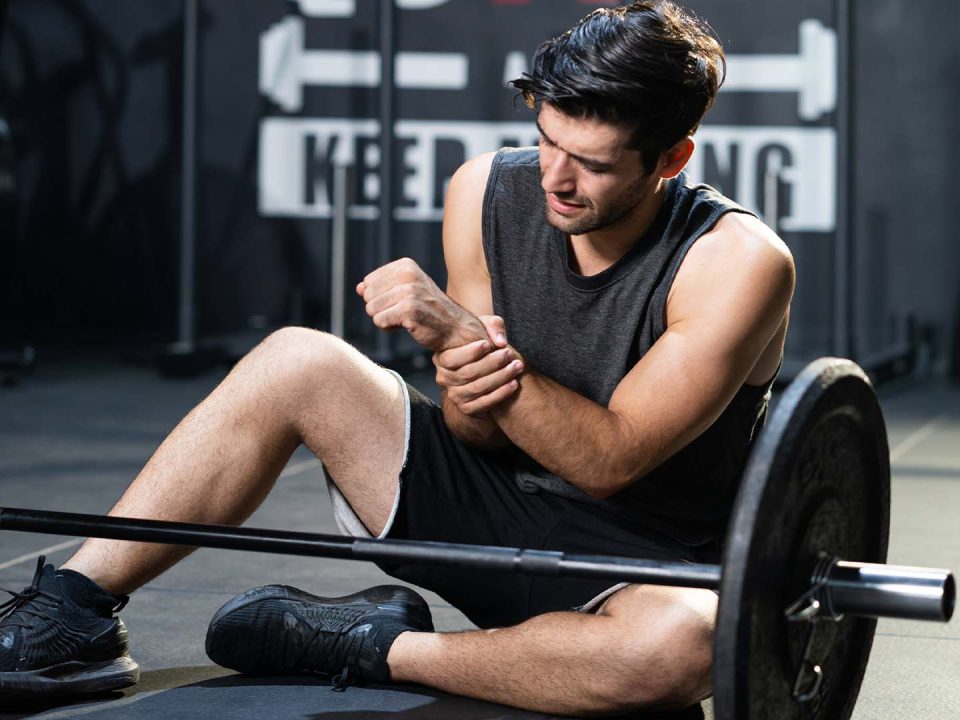
But here's what you need to know about staying safe. In CrossFit, most injuries happen during Olympic lifts, especially when fatigue kicks in. Common trouble spots? Your shoulders and lower back are the usual suspects. The competitive nature of CrossFit can sometimes push you harder than planned – that's when form might slip.
Functional fitness takes a gentler approach. With its focus on controlled movements, injury rates typically stay below 1 injury per 1000 training hours. The most common issues are muscle strains, usually from improper form or trying to progress too quickly.
Want to stay injury-free? Here's your game plan:
- Master proper form before adding weight
- Listen to your body's signals
- Take rest days seriously
- Work with qualified coaches
- Progress gradually with weights and intensity
Remember, both methods can be safe when done right. A study from the Journal of Sports Medicine found that proper coaching and gradual progression can reduce injury risks by up to 60% in both training styles.
For beginners, functional fitness might offer a gentler introduction to strength training. But if you're drawn to CrossFit, don't let injury fears hold you back – just start smart and scale appropriately. Your body will thank you later!

Community and Coaching Aspects
The training environments of CrossFit and functional fitness offer distinct experiences that can shape your fitness journey. CrossFit boxes buzz with energy as groups tackle challenging WODs (Workout of the Day) together. You'll find yourself surrounded by enthusiastic athletes who cheer each other on through tough workouts. The atmosphere is electric, competitive, and highly motivating.
Functional fitness takes a more personalized approach. Your coach focuses on perfecting your form and helping you master fundamental movements. Training sessions often happen in smaller groups or one-on-one settings, creating a calm, focused environment. This setup allows for more individual attention and customized programming based on your specific needs.
The coaching styles also differ significantly. CrossFit coaches are certified through the CrossFit methodology and excel at pushing you beyond your perceived limits. According to Two Six Fitness, they emphasize intensity and proper form during complex movements. Your functional fitness coach, however, typically holds various fitness certifications and prioritizes movement quality over quantity. They'll help you build a strong foundation before progressing to more challenging exercises.
Both communities offer unique support systems. CrossFit's group dynamic creates strong bonds through shared challenges and achievements. Research from BMJ Blogs shows that this social support can boost adherence to training programs. Functional fitness communities tend to be smaller but equally supportive, with members focusing on personal growth rather than competition.
Remember, the best environment for you depends on your personality and fitness goals. Some thrive in CrossFit's high-energy atmosphere, while others prefer functional fitness's more individualized approach. Both communities can help you succeed – it's about finding your perfect fit.
Benefits Comparison: Functional Fitness vs CrossFit
Ready to discover which training style best matches your fitness goals? Let's break down the key benefits of both approaches to help you make an informed decision.
Functional fitness shines in building everyday strength. Research from TrainingPeaks shows it improves posture, reduces back pain, and enhances daily movement patterns. You'll notice better stability when carrying groceries or playing with your kids.
CrossFit takes the lead in rapid strength gains and cardiovascular improvements. According to CrossFit, participants see a 20% increase in aerobic capacity within the first 3 months. The varied workouts target multiple fitness domains simultaneously.
Both methods boost flexibility, but differently. Functional training focuses on joint mobility through natural movement patterns. CrossFit incorporates dynamic stretching and Olympic lifting positions that enhance overall range of motion.
Looking at long-term health, functional fitness provides steady, sustainable progress. A study from Two Six Fitness reveals that 85% of functional fitness practitioners maintain their routine for over two years. CrossFit delivers faster results but requires more recovery time between sessions.
Want the best of both worlds? Many athletes combine elements from each style. Try functional training to build your foundation, then add CrossFit elements as you progress. This approach maximizes benefits while minimizing injury risk.
Remember, consistency beats intensity. Choose the style that you'll stick with long-term. Your best results will come from the program you actually enjoy doing.
Making the Right Choice
Choosing between functional fitness and CrossFit isn't a one-size-fits-all decision. Your fitness journey should align with your personal goals and lifestyle. Let's break down the key factors to consider when making your choice.
If you're new to fitness, functional training offers a gentler introduction. You'll learn proper form and build a strong foundation without the pressure of intense workouts. According to TrainingPeaks, beginners who start with functional training show better long-term adherence to their fitness routine.
CrossFit might be your path if you thrive on competition and measurable progress. Research from Two Six Fitness shows that CrossFit participants often see faster strength gains and improved cardiovascular fitness within the first three months.
Consider your schedule and budget carefully. Functional training can be more flexible, with sessions typically ranging from $50-100 per month. CrossFit boxes usually charge $150-250 monthly for unlimited classes. Time commitment varies too – CrossFit programming often requires 4-5 sessions weekly, while functional training can be effective with 2-3 weekly sessions.
Your current fitness level matters. CrossFit recommends having a basic strength foundation before starting their program. If you can't perform fundamental movements with proper form, begin with functional training to build that base.
Health considerations should guide your choice. Those with previous injuries or joint issues might find functional training's controlled approach more suitable. A study from PubMed indicates that proper progression in either discipline can be safe when matched to your fitness level.
Remember, you can always switch or combine approaches as your fitness journey evolves. The best program is one that keeps you consistent and motivated while moving toward your goals.
Conclusion
Both CrossFit and functional fitness offer unique paths to improved health and fitness. CrossFit excels in building intense cardiovascular endurance and strength through competitive, high-energy workouts. According to CrossFit, this approach can lead to rapid fitness gains for those ready to push their limits.
Functional fitness, as noted by TrainingPeaks, provides a more measured approach focused on everyday movement patterns and long-term sustainability. This method particularly benefits those seeking balanced fitness without the intense competitive atmosphere.
Your choice between these training styles should align with your personal goals and preferences. If you thrive on competition and measurable achievements, CrossFit might be your perfect fit. For those prioritizing sustainable, practical strength and movement quality, functional fitness offers an excellent foundation.
Remember, these approaches aren't mutually exclusive. Many athletes successfully combine elements from both disciplines to create a well-rounded fitness program. The key is starting where you feel comfortable and gradually challenging yourself as you progress.
Whether you choose CrossFit's intensity, functional fitness's practicality, or a blend of both, consistency and proper form remain crucial for success. Listen to your body, work with qualified coaches, and choose the path that keeps you motivated and injury-free.