

Table of contents
- Understanding Macronutrients and Their Caloric Content
- The Impact of Food Processing on Caloric Availability
- Sources of Calories and Their Effects on Metabolism and Weight Loss
- The Role of Glycemic Index in Caloric Metabolism
- Calorie-Dense Foods vs. Low-Calorie Foods: Effects on Hunger and Satiety
- Conclusion
Understanding Macronutrients and Their Caloric Content
Calories are the energy your body needs to function. They come from three main macronutrients: carbohydrates, proteins, and fats. Each of these macronutrients provides a different amount of energy per gram.
Fat is the most calorie-dense macronutrient. It provides 9 calories per gram. This makes fat a high-energy source. Carbohydrates and proteins, on the other hand, each provide 4 calories per gram. They are less calorie-dense but still essential for your body.
Knowing these values helps you make better food choices. For example, if you want a quick energy boost, foods high in fat can help. But if you're looking for sustained energy, a mix of carbs and proteins might be better.
Dr. Scott Lear explains this well in his article. He says, "These macronutrients contain 9, 4, and 4 calories per gram, respectively." This means fats give the most energy per gram. The Mayo Clinic also supports this. They say, "The total calories a food or beverage provides depend on the number of grams of carbohydrates, protein, fat, and/or alcohol contained."
Understanding these basics can guide your eating habits. It helps you balance your diet for better health and energy. Remember, each macronutrient has its role. Knowing how they contribute to your calorie intake is a step toward better nutrition.
For more details, check out Dr. Scott Lear's article and the Mayo Clinic Q and A.
The Impact of Food Processing on Caloric Availability
Food processing can change how many calories your body gets from what you eat. Cooking is a big factor. When you cook food, it becomes easier for your body to digest. This means you get more calories because your body doesn't have to work as hard to break the food down. For example, cooked carrots provide more calories than raw ones.
Refined carbohydrates are another important topic. These are foods like white bread and sugary snacks. They are quickly digested and can cause your blood sugar to spike. This can lead to overeating and weight gain. These foods are less filling, so you might eat more of them.
Studies show that processed foods can make it easier to gain weight. When food is processed, it often loses fiber and other nutrients. This makes it less satisfying. You end up eating more to feel full.
Cooking and refining food changes its caloric content and how your body uses it. Being aware of this can help you make better food choices. Remember, whole foods are generally better for you. They keep you full longer and provide more nutrients.
For more details, check out Dr. Scott Lear's article and Mayo Clinic Q and A.
Sources of Calories and Their Effects on Metabolism and Weight Loss
Different foods affect your body in unique ways. It's not just about counting calories. The source of those calories matters too. For example, high-protein diets can help you feel full longer. This can reduce your overall calorie intake. Foods like chicken, fish, and beans are great choices.
High-fat diets can also be effective. Healthy fats, like those in avocados and nuts, can boost metabolism. These fats are good for your heart too. But remember, not all fats are created equal. Avoid trans fats found in many processed foods.
Low-carb diets are another option. They can help you lose weight quickly. However, they can be hard to maintain long-term. Whole grains and vegetables are better choices for carbs. They provide energy and essential nutrients.
Studies show that different diets can lead to similar weight loss. Dr. Scott Lear's research found no significant difference in weight loss among various diets after two years. This means you have options. Choose a diet that fits your lifestyle and preferences.
In conclusion, focus on the quality of your calories. Choose foods that support your health and well-being. This will help you achieve your fitness goals more effectively.
The Role of Glycemic Index in Caloric Metabolism
The glycemic index (GI) is a measure of how quickly foods raise blood sugar levels. Foods with a low GI are digested slowly. This leads to a gradual rise in blood sugar and insulin levels. Examples include whole grains, fruits, and beans.
Low-GI foods help keep you full longer. They prevent spikes in blood sugar, reducing the risk of insulin resistance and type 2 diabetes. Dr. David Ludwig emphasizes the benefits of focusing on low-GI foods for better health outcomes.
On the other hand, high-GI foods cause rapid spikes in blood sugar. These include sugary drinks and refined carbs. Such foods can lead to overeating and fat storage. They also increase the risk of health problems.
Choosing low-GI foods can improve your overall health. They support steady energy levels and better weight management. For more insights, check out Dr. David Ludwig's work.
Calorie-Dense Foods vs. Low-Calorie Foods: Effects on Hunger and Satiety
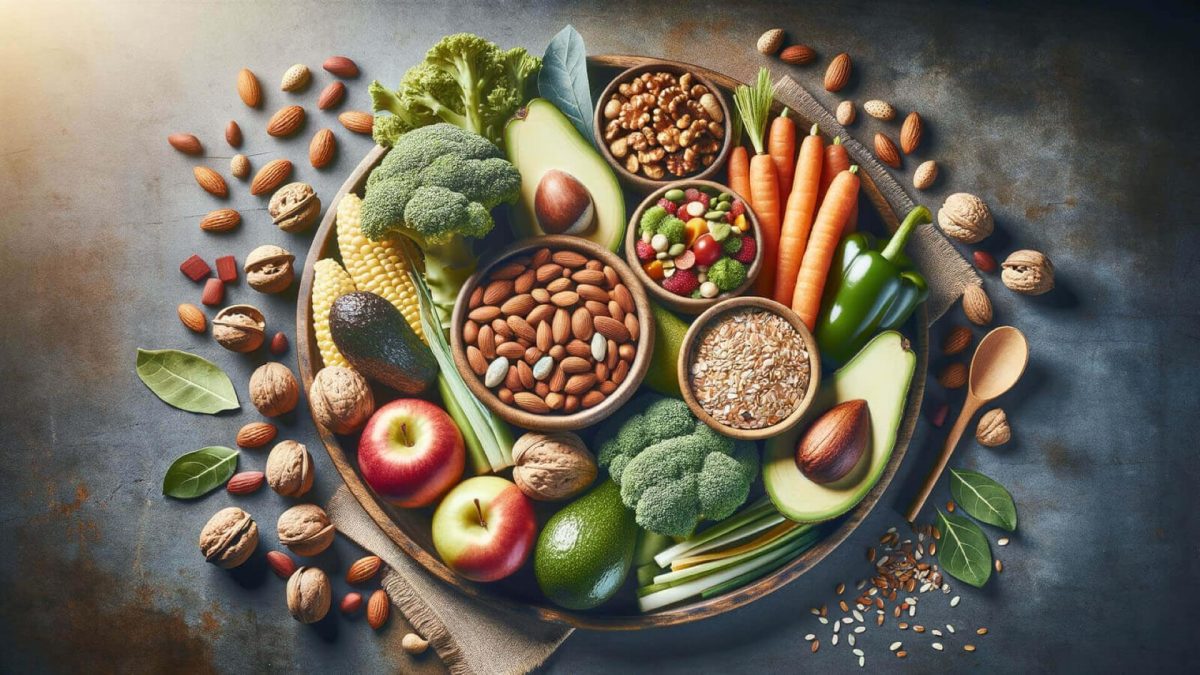
Calorie-dense foods pack a lot of energy into small portions. Think of nuts, avocados, and fatty fish. These foods are rich in fats and fiber. They help you feel full longer. This means you might eat less overall.
On the other hand, low-calorie foods are often high in volume but low in energy. Apples and salads are great examples. They take up more space in your stomach. This sends signals to your brain that you are full. As a result, you might eat fewer calories.
Studies show that calorie-dense foods can be very satisfying. For example, a handful of nuts can keep you full for hours. But eating a small portion of chips with the same calories won't have the same effect.
Low-calorie foods are also important. They help you feel full without adding too many calories. A medium apple has about 52 calories. It will make you feel fuller than a small portion of chips with the same calories.
Balancing both types of foods can help you manage hunger and stay on track with your fitness goals. Remember, it's not just about the number of calories. It's also about how those calories make you feel.
Conclusion
In summary, not all calories are created equal. Different macronutrients contribute varying amounts of energy. Fats provide 9 calories per gram, while carbohydrates and proteins each offer 4 calories per gram. Food processing also plays a role in caloric availability. Cooking makes food easier to digest, increasing the calories your body absorbs.
The source of your calories matters too. High-protein, high-fat, and low-carb diets can all lead to weight loss but affect your metabolism differently. Foods with a low glycemic index help maintain stable blood sugar levels. They prevent insulin spikes, which is good for long-term health.
Calorie-dense foods like nuts and avocados keep you full longer. Low-calorie foods like apples and salads help control hunger by filling your stomach. Both types of foods have their place in a balanced diet.
Looking ahead, future research will likely uncover more about how different foods affect our bodies. Nutritional science is always evolving. Staying informed can help you make better choices for your health. Keep focusing on progress, not perfection, and remember that every step forward counts.


