Table of contents
- What is Functional Fitness?
- What is CrossFit?
- Benefits of Functional Fitness
- Benefits of CrossFit
- Comparing Injury Risks
- Equipment Requirements
- Workout Intensity and Programming
- Specific Exercises and Movements
- Target Audience and Suitability
- Impact on Overall Health and Wellness
- Customization and Scalability
- Community and Social Aspects
- Cost Comparison
- Expert Opinions and Research Findings
- Conclusion
- Future Trends and Developments
Functional fitness and CrossFit are two popular approaches to physical training that have gained significant traction in recent years. While both aim to improve overall fitness, they differ in their methods and focus. Functional fitness emphasizes everyday movements and activities, helping individuals perform daily tasks with greater ease and efficiency. On the other hand, CrossFit is known for its high-intensity workouts that combine elements of weightlifting, cardio, and gymnastics.
The rise of these fitness approaches reflects a growing interest in diverse and effective workout methods. Functional fitness has become increasingly popular due to its practical applications in daily life, while CrossFit has attracted a dedicated following with its challenging workouts and competitive atmosphere.
In this article, we'll compare functional fitness and CrossFit in terms of their benefits, risks, and practicality. By examining these aspects, we aim to provide you with a comprehensive understanding of both approaches, helping you make an informed decision about which might be best suited to your fitness goals and lifestyle.
What is Functional Fitness?
Functional fitness is a training approach that focuses on improving your ability to perform everyday activities with ease and efficiency. It's all about making your body stronger and more capable for real-life movements.
The core principle of functional fitness is simple: train your body to handle real-world situations. This means exercises that mimic daily actions like lifting, pushing, pulling, and bending. By doing so, you're not just building muscle, but also enhancing your balance, coordination, and flexibility.
Functional fitness has its roots in physical therapy and rehabilitation. It gained popularity in the late 1990s as fitness professionals recognized the need for training that translated directly to improved quality of life. Unlike traditional weightlifting that isolates specific muscles, functional fitness emphasizes whole-body movements.
Key characteristics of functional fitness training include:
- Multi-joint movements: Exercises involve multiple muscle groups working together.
- Core engagement: Almost all functional exercises require core stability.
- Balance and stability: Many exercises challenge your balance, improving overall stability.
- Everyday movement patterns: Squats, lunges, and push-ups mimic real-life actions.
- Adaptability: Exercises can be modified for all fitness levels.
Functional fitness doesn't require fancy equipment. You can use your body weight, resistance bands, or simple tools like kettlebells. This makes it accessible and easy to do at home or in any setting.
One of the biggest advantages of functional fitness is its focus on injury prevention. By strengthening the muscles used in daily activities, you're less likely to get hurt doing routine tasks. A study published in the Journal of Sports Science & Medicine found that functional fitness training significantly improved balance and reduced fall risk in older adults.
Data Source: Journal of Sports Science & Medicine
Remember, functional fitness isn't about lifting the heaviest weights or running the fastest mile. It's about improving your overall quality of life. Whether you're an athlete looking to enhance performance or someone wanting to move more easily through daily life, functional fitness can be a game-changer.
So, next time you're planning your workout, think about how it relates to your everyday activities. That's the essence of functional fitness – training for life, not just for the gym.

What is CrossFit?
CrossFit is a high-intensity fitness program that combines elements of weightlifting, cardio, and gymnastics. It was founded by Greg Glassman in 2000 and has since grown into a global phenomenon. CrossFit workouts, known as WODs (Workout of the Day), are designed to improve overall fitness through varied, functional movements performed at high intensity.
The core concept of CrossFit is constantly varied functional movements executed at high intensity. This approach aims to prepare individuals for any physical challenge, whether in sports or everyday life. CrossFit workouts typically include a mix of Olympic weightlifting, powerlifting, plyometrics, and bodyweight exercises.
Key components of CrossFit workouts include:
- Metabolic Conditioning: High-intensity cardio exercises to improve endurance and stamina.
- Weightlifting: Olympic lifts and powerlifting movements to build strength and power.
- Gymnastics: Bodyweight exercises to enhance flexibility, balance, and body control.
CrossFit's popularity has surged due to its competitive nature and strong community aspect. The program emphasizes measurable results, encouraging participants to track their progress and compete against themselves and others.
Data Source: CrossFit Journal
CrossFit has also developed its own culture, with specialized terminology and a focus on nutrition. The Paleo diet is often recommended to complement the intense workout regimen.
While CrossFit offers rapid fitness gains, it's important to note that proper form and gradual progression are crucial to avoid injuries. The high-intensity nature of CrossFit may not be suitable for everyone, particularly beginners or those with certain health conditions.
Data Source: National Library of Medicine
CrossFit's evolution has led to the CrossFit Games, an annual competition to find the "Fittest on Earth." This event has further popularized the sport and inspired many to push their physical limits.
Benefits of Functional Fitness
Functional fitness offers a range of benefits that can enhance your daily life and overall well-being. Let's explore how this training method can improve your everyday movements, balance, and stability.
First, functional fitness significantly improves your ability to perform everyday activities. By mimicking real-life movements, it strengthens the muscles you use most often. This means tasks like lifting groceries, climbing stairs, or playing with your kids become easier and more enjoyable.
Balance and stability are key areas where functional fitness shines. A 2013 study highlighted in Garage Gym Reviews found that functional fitness training led to substantial improvements in balance and stability, especially among older adults. This is crucial for preventing falls and maintaining independence as we age.
Data Source: Garage Gym Reviews
Another major benefit is the reduced risk of injury in daily life. By strengthening your body in ways that mimic everyday movements, you're better prepared for unexpected physical challenges. This can help prevent common injuries that occur during routine activities.
Functional fitness is also highly accessible. Unlike some fitness regimens that require specialized equipment or intense training, functional fitness can be adapted to suit all fitness levels. Whether you're a beginner or an experienced athlete, you can tailor functional fitness exercises to meet your needs and goals.
Lastly, functional fitness promotes overall body awareness and coordination. This increased body control can lead to better posture, reduced back pain, and improved athletic performance in various sports and activities.
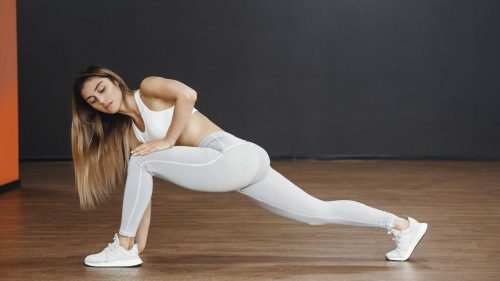
By focusing on practical, real-world movements, functional fitness offers a holistic approach to health and fitness that can benefit people of all ages and abilities. It's not just about looking good – it's about feeling good and moving well in your everyday life.
Benefits of CrossFit
CrossFit offers a unique set of advantages that appeal to many fitness enthusiasts. Its high-intensity workouts lead to rapid fitness gains, making it an attractive option for those seeking quick results. The varied nature of CrossFit exercises challenges your body in different ways, promoting overall fitness improvement.
One of the primary benefits of CrossFit is improved cardiovascular endurance. The intense, fast-paced workouts push your heart and lungs to work harder, enhancing your body's ability to use oxygen efficiently. This translates to better stamina in everyday life and other physical activities.
CrossFit also significantly increases strength and power. The program incorporates weightlifting and bodyweight exercises that target multiple muscle groups simultaneously. This functional strength training approach helps build lean muscle mass and boosts overall physical performance.
A unique aspect of CrossFit is its strong community focus. The group workout environment fosters camaraderie and friendly competition, which can be highly motivating. Many CrossFit enthusiasts find that this community aspect keeps them accountable and encourages them to push their limits.
Data Source: According to the CrossFit Journal, CrossFit's methodology of constantly varied, high-intensity functional movements leads to broad, general, and inclusive fitness. This approach aims to optimize physical competence in ten recognized fitness domains: cardiovascular and respiratory endurance, stamina, strength, flexibility, power, speed, coordination, agility, balance, and accuracy.
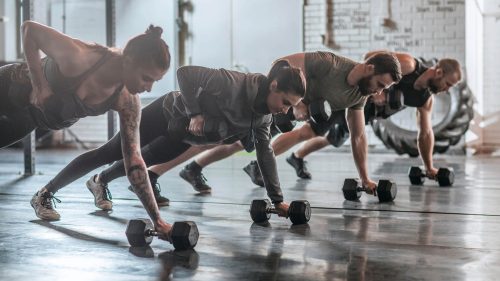
While CrossFit offers numerous benefits, it's important to note that its high-intensity nature may not be suitable for everyone. Proper form and gradual progression are crucial to avoid injury and maximize the benefits of this challenging fitness regimen.
Comparing Injury Risks
When it comes to fitness, safety is paramount. Let's dive into the injury risks associated with functional fitness and CrossFit.
Functional fitness generally has a lower injury risk. Its focus on controlled movements and body weight exercises makes it safer for most people. A study in the Journal of Sports Medicine and Physical Fitness found that functional training had a low injury rate of 1.8 injuries per 1000 hours of training.
Data Source: National Library of Medicine
CrossFit, on the other hand, has a higher injury risk due to its high-intensity nature. A survey published in the Orthopaedic Journal of Sports Medicine reported an injury rate of 3.1 per 1000 hours of CrossFit training. The most common injuries were to the shoulders, lower back, and knees.
Data Source: National Library of Medicine
Several factors contribute to injuries in both approaches:
- Improper form: This is a risk in both disciplines, but more so in CrossFit due to complex movements performed at high speeds.
- Overtraining: CrossFit's competitive nature can push people beyond their limits, increasing injury risk.
- Lack of proper progression: Functional fitness emphasizes gradual progression, while CrossFit's varied workouts can sometimes lead to sudden intensity spikes.
- Individual fitness levels: Both approaches require adaptation to individual capabilities, but CrossFit's group setting can sometimes overlook this.
Remember, proper coaching and listening to your body are crucial in both functional fitness and CrossFit. Start slow, focus on form, and gradually increase intensity to minimize injury risk.
Data Source: Evo Fitness
While both approaches have their risks, functional fitness generally offers a safer path for most people, especially beginners or those with pre-existing conditions. However, with proper guidance and caution, both can be practiced safely.
Equipment Requirements
Functional fitness and CrossFit have vastly different equipment needs. Functional fitness thrives on simplicity, while CrossFit demands a more extensive setup.
Functional fitness requires minimal equipment. You can get a great workout with just your body weight. Simple tools like resistance bands, kettlebells, and medicine balls can add variety. This makes functional fitness accessible and budget-friendly. You can easily set up a home gym or train outdoors.
CrossFit, on the other hand, needs a wide range of specialized gear. A typical CrossFit box includes barbells, weight plates, pull-up bars, and rowing machines. You'll also find kettlebells, medicine balls, and jump ropes. More advanced equipment like gymnastics rings and climbing ropes are common too.
The cost difference is significant. A basic functional fitness setup might cost a few hundred dollars. A fully equipped CrossFit gym can run into thousands. This affects both home setups and gym memberships.
Accessibility is another factor. Functional fitness can be done almost anywhere. CrossFit usually requires a dedicated facility or a well-equipped home gym.
Data Source: Fitnessmarkt
The equipment difference reflects each approach's philosophy. Functional fitness focuses on everyday movements with minimal tools. CrossFit aims for varied, high-intensity workouts needing diverse equipment.
Your choice depends on your goals, budget, and available space. Functional fitness offers flexibility and affordability. CrossFit provides a comprehensive setup for intense, varied training.
Workout Intensity and Programming
Functional fitness and CrossFit differ significantly in their workout intensity and programming. Functional fitness focuses on controlled movements that mimic everyday activities. These workouts are typically moderate in intensity, emphasizing proper form and gradual progression. The goal is to improve overall functionality and reduce injury risk in daily life.
CrossFit, on the other hand, is known for its high-intensity, varied workouts. The "Workout of the Day" (WOD) often includes a mix of weightlifting, cardio, and gymnastics movements performed at maximum effort. CrossFit aims to develop broad, general fitness through constantly varied, high-intensity functional movements.
According to Evo Fitness, functional fitness training sessions usually last 45-60 minutes and include a warm-up, main workout, and cool-down. The main workout often consists of circuit training or supersets, focusing on multi-joint exercises that engage multiple muscle groups simultaneously.
CrossFit workouts, as outlined by the official CrossFit Journal, typically follow a structure of warm-up, skill work, WOD, and cool-down. The WOD can range from short, intense bursts lasting just a few minutes to longer endurance-based workouts of 20-30 minutes or more.
While both approaches aim to improve overall fitness, their programming philosophies differ. Functional fitness prioritizes steady progress and sustainable improvements in everyday movements. CrossFit, with its competitive nature and varied challenges, focuses on pushing physical limits and achieving measurable performance gains across multiple fitness domains.
Data Sources: Evo Fitness & CrossFit Journal
Specific Exercises and Movements
Functional fitness and CrossFit each have their unique set of exercises and movements. Let's dive into what makes them distinct and how they relate to daily life activities.
Functional fitness focuses on movements that mimic everyday actions. Squats, for example, replicate the motion of sitting down and standing up. Lunges simulate walking or climbing stairs. Push-ups strengthen the upper body for pushing activities. These exercises enhance your ability to perform daily tasks with ease and efficiency.
Data Source: Garage Gym Reviews
CrossFit, on the other hand, incorporates a wider range of high-intensity exercises. Olympic weightlifting movements like clean and jerks and snatches are common. Gymnastics elements such as pull-ups and handstands are also integral. These exercises build overall strength and power but may not directly translate to everyday activities.
Data Source: CrossFit Journal
Functional fitness exercises often use bodyweight or light equipment. Planks strengthen your core for better posture. Deadlifts improve your ability to lift objects safely. These movements directly correlate with daily activities, reducing the risk of injury in everyday life.
CrossFit workouts frequently include high-intensity interval training (HIIT). Box jumps, burpees, and rope climbs are staples. While these exercises significantly boost cardiovascular fitness and overall athleticism, they don't necessarily align with typical daily movements.
Data Source: Kings Box
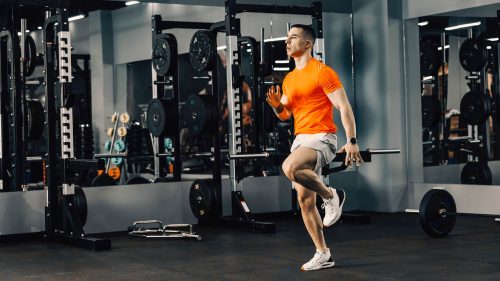
In functional fitness, balance and stability exercises are crucial. Single-leg stands and stability ball workouts improve coordination. These skills are vital for preventing falls and maintaining independence, especially as we age.
CrossFit's "Workout of the Day" (WOD) often combines various movements into intense circuits. While this approach builds overall fitness, it may not specifically target the movements most relevant to an individual's daily life.
Ultimately, both approaches have their merits. Functional fitness directly enhances your ability to perform daily tasks. CrossFit builds overall fitness and athleticism. Your choice depends on your personal goals and lifestyle needs.
Target Audience and Suitability
Functional fitness and CrossFit cater to different audiences, each with unique goals and fitness levels. Understanding who benefits most from each approach can help you make an informed decision about your fitness journey.
Functional fitness is ideal for a broad range of individuals. It's particularly beneficial for:
- Older adults looking to maintain independence and mobility
- People recovering from injuries or with limited mobility
- Those seeking to improve everyday movements and activities
- Individuals new to fitness or returning after a long break
According to a study published in the Journal of Sports Science & Medicine, functional fitness training significantly improved physical performance in older adults, making it an excellent choice for this demographic.
Data Source: Journal of Sports Science & Medicine
On the other hand, CrossFit tends to attract:
- Fitness enthusiasts looking for intense, varied workouts
- Athletes aiming to improve overall physical performance
- Individuals seeking a competitive fitness environment
- Those who thrive on community support and group motivation
A survey conducted by CrossFit Inc. found that the average age of CrossFit participants is 32, with 40% being between 25-34 years old.
Data Source: CrossFit Health
When choosing between functional fitness and CrossFit, consider:
- Your current fitness level
- Personal goals (e.g., general health, sports performance, weight loss)
- Any existing health conditions or injuries
- Time commitment and schedule flexibility
- Preference for workout intensity and variety
Remember, the best fitness program is one you enjoy and can stick to consistently. Both functional fitness and CrossFit offer unique benefits, so choose the one that aligns best with your personal needs and preferences.
Impact on Overall Health and Wellness
Functional fitness and CrossFit both offer significant benefits for overall health and wellness, but their approaches differ. Functional fitness focuses on improving everyday movements, while CrossFit aims for high-intensity, varied workouts. Let's explore their long-term impacts on physical and mental health.
Functional fitness provides lasting benefits for daily life. It enhances mobility, balance, and strength for everyday tasks. This approach reduces the risk of injury and improves quality of life as you age. A study in the Journal of Sports Science & Medicine found that functional fitness training improved functional capacity and quality of life in older adults.
Data Source: Journal of Sports Science & Medicine
CrossFit, on the other hand, offers intense cardiovascular and strength benefits. It can lead to rapid improvements in fitness levels and body composition. A study in the Journal of Strength and Conditioning Research reported significant improvements in body composition and aerobic capacity after 10 weeks of CrossFit training.
Both approaches can positively impact mental health. Functional fitness, with its focus on achievable goals, can boost self-confidence and reduce stress. CrossFit's community aspect and challenging workouts can improve mood and self-esteem. A study in BMC Public Health found that both types of exercise were associated with lower levels of depression and anxiety.
However, the high intensity of CrossFit may lead to burnout or overtraining for some individuals. Functional fitness, being less intense, may be more sustainable long-term for many people. The key is finding the approach that aligns with your personal health goals and lifestyle.
Ultimately, both functional fitness and CrossFit can significantly improve overall health and wellness when practiced consistently and safely. The best choice depends on your individual preferences, fitness level, and long-term health objectives.
Customization and Scalability
Functional fitness and CrossFit offer different approaches to customization and scalability. Both can be adapted to suit various fitness levels, but they do so in distinct ways.
Functional fitness shines in its adaptability. It's highly customizable, allowing individuals to tailor exercises to their specific needs and abilities. Whether you're a beginner or an advanced athlete, functional fitness can be scaled up or down easily. For instance, a basic squat can be modified to a wall sit for beginners or progressed to a jump squat for more advanced practitioners.
Data Source: Garage Gym Reviews
CrossFit, while known for its intensity, also offers scaling options. The "CrossFit prescription" is designed to be universally scalable, meaning workouts can be adjusted for anyone from elderly individuals with heart conditions to elite athletes. However, scaling in CrossFit often requires more guidance and expertise to ensure safety and effectiveness.
Data Source: CrossFit Journal
In terms of goals, functional fitness is highly flexible. It can be easily adapted to focus on specific areas like balance, strength, or mobility. This makes it ideal for those with particular fitness objectives or rehabilitation needs.
CrossFit's scalability is more structured. While workouts can be modified, they typically maintain the high-intensity, varied nature that defines CrossFit. This approach suits those who thrive on challenging, competitive workouts but may be less ideal for individuals with specific limitations or goals.
Data Source: Evo Fitness
Both methods can accommodate different fitness levels, but functional fitness offers more room for gentle progression. It's particularly beneficial for beginners or those returning to exercise after a break. CrossFit, even when scaled, maintains a higher intensity baseline, which can be motivating for some but intimidating for others.
Ultimately, the choice between functional fitness and CrossFit depends on individual preferences, fitness levels, and goals. Both offer paths to improved fitness, but with different approaches to customization and scalability.
Community and Social Aspects
The social elements of functional fitness and CrossFit play a significant role in their popularity and effectiveness. Both approaches foster a sense of community, but in different ways.
Functional fitness training often creates a supportive environment. Group classes encourage participants to work together and motivate each other. This social aspect helps build camaraderie and accountability. Many find the friendly atmosphere less intimidating than traditional gyms.
CrossFit, on the other hand, is renowned for its strong community focus. The "Box" (CrossFit gym) culture is a defining feature. Members often form tight-knit groups, pushing each other to achieve their best. CrossFit's competitive nature fuels a unique social dynamic.
A study in the Journal of Sport and Health Science found that the social support in CrossFit significantly impacts adherence and motivation. The shared experience of challenging workouts creates strong bonds among participants.
Functional fitness communities tend to be more diverse in age and fitness levels. This inclusivity fosters a welcoming environment for beginners and seasoned athletes alike. The focus is on personal improvement rather than competition.
Data Source: International Journal of Environmental Research and Public Health

Research in the International Journal of Environmental Research and Public Health highlights the importance of social support in exercise adherence. Both functional fitness and CrossFit leverage this effectively, albeit in different ways.
The community aspect in both approaches significantly impacts motivation and long-term commitment. It transforms exercise from a solitary activity into a shared experience. This social element can be a crucial factor in choosing between functional fitness and CrossFit.
Ultimately, the choice depends on personal preference. Some thrive in the intense, competitive atmosphere of CrossFit. Others prefer the more relaxed, supportive environment of functional fitness. Both offer valuable social benefits that enhance the overall fitness experience.
Cost Comparison
When it comes to your fitness journey, cost is an important factor to consider. Let's break down the typical expenses for functional fitness training and CrossFit to help you make an informed decision.
Functional fitness training is generally more budget-friendly. You can start with minimal equipment or even just your body weight. A basic home setup might include:
- Resistance bands: $10-$30
- Dumbbells: $20-$100 per pair
- Kettlebells: $20-$100 each
- Yoga mat: $20-$50
Total cost for a home functional fitness setup: $70-$280
Many gyms offer functional fitness classes, with monthly memberships ranging from $30 to $100, depending on location and amenities.
Data Source: Garage Gym Reviews
CrossFit, on the other hand, typically comes with higher costs. CrossFit gyms, known as "boxes," usually charge monthly membership fees ranging from $150 to $300. Some may require initiation fees or contracts.
CrossFit equipment for a home gym is more extensive and expensive:
- Barbell and weight plates: $300-$1000
- Squat rack: $300-$1000
- Plyo box: $100-$200
- Rowing machine: $500-$1500
Total cost for a home CrossFit setup: $1200-$3700
Data Source: BoxRox
Long-term, functional fitness may be more cost-effective due to lower ongoing expenses and equipment needs. CrossFit's higher costs might be justified by its structured programming and community aspect.
Remember, the best choice is the one you'll stick with. Weigh the costs against your fitness goals and budget to find your perfect fit.
Expert Opinions and Research Findings
Scientific studies and expert opinions offer valuable insights into the effectiveness of functional fitness and CrossFit. Let's explore what researchers and fitness professionals have to say about these popular training methods.
Functional fitness has gained significant attention in recent years. A study published in the Journal of Strength and Conditioning Research found that functional fitness training improved overall physical performance in adults. The researchers noted improvements in strength, flexibility, and cardiovascular endurance after a 12-week functional fitness program.
Data Source: Journal of Strength and Conditioning Research
CrossFit, on the other hand, has been the subject of numerous studies examining its impact on fitness and health. A systematic review published in the Journal of Sports Medicine and Physical Fitness concluded that CrossFit training can lead to significant improvements in aerobic capacity, muscular endurance, and body composition.
Data Source: Journal of Sports Medicine and Physical Fitness
However, experts caution about the potential risks associated with CrossFit. Dr. John Porcari, a professor of exercise and sport science, notes that while CrossFit can be effective, it may pose a higher risk of injury due to its high-intensity nature and complex movements.
Data Source: ACE Fitness
In contrast, functional fitness is generally considered safer. Dr. Michael Boyle, a renowned strength and conditioning coach, advocates for functional training. He emphasizes its focus on movement patterns rather than isolated muscle groups, which he believes leads to better overall fitness and reduced injury risk.
Both approaches have their merits. Dr. Stuart McGill, a professor of spine biomechanics, suggests that the choice between functional fitness and CrossFit should depend on individual goals, fitness levels, and risk tolerance.
Data Source: BackFitPro
Ultimately, the effectiveness of any fitness program depends on proper execution and individual adherence. Whether choosing functional fitness or CrossFit, experts agree that proper form, gradual progression, and listening to your body are key to achieving fitness goals safely and effectively.
Conclusion
Functional fitness and CrossFit both offer unique approaches to improving physical health and fitness. Functional fitness focuses on everyday movements, enhancing balance and stability for daily activities. It's generally more accessible and carries a lower risk of injury. CrossFit, on the other hand, provides high-intensity workouts that rapidly improve strength, power, and cardiovascular endurance, with a strong community aspect.
Your choice between the two should align with your personal goals, fitness level, and preferences. If you're looking to improve your overall quality of life and reduce the risk of injury in daily activities, functional fitness might be the better option. For those seeking intense workouts, rapid fitness gains, and a competitive environment, CrossFit could be more appealing.
Remember, the best fitness program is one you'll stick with consistently. Consider factors like equipment availability, cost, time commitment, and your current health status when making your decision. It's also worth noting that these approaches aren't mutually exclusive – many people incorporate elements of both into their fitness routines.
Ultimately, your fitness journey is personal. Whether you choose functional fitness, CrossFit, or a combination of both, the key is to find a sustainable approach that keeps you motivated and helps you achieve your health and fitness goals.
Future Trends and Developments
The fitness world is constantly evolving, and both functional fitness and CrossFit are no exception. As we look to the future, several exciting trends and developments are emerging in these popular training methods.
Functional fitness is likely to see a surge in tech integration. Wearable devices and smart equipment will provide real-time feedback on form and performance. This technology will help users perfect their movements and track progress more accurately. Virtual reality (VR) may also play a role, offering immersive functional fitness experiences at home.
Data Source: Forbes - Future of Fitness
CrossFit, on the other hand, is expanding its focus on overall health. Recent trends show a growing emphasis on nutrition, recovery, and mental well-being alongside physical training. This holistic approach aims to create more balanced, healthier athletes.
Data Source: Eleiko
Both disciplines are likely to see increased personalization. AI-powered apps may soon create tailored workouts based on individual goals, fitness levels, and even genetic data. This shift towards personalized fitness could bridge the gap between functional fitness and CrossFit, allowing users to blend elements from both approaches.
Sustainability is another trend shaping the future of fitness. Eco-friendly equipment and energy-efficient gyms are gaining popularity. This focus on environmental consciousness could influence how both functional fitness and CrossFit evolve their practices and equipment choices.
Data Source: Fortune Business Insights
As research in exercise science advances, we may see a convergence of functional fitness and CrossFit methodologies. The best aspects of each approach could be combined to create more effective, safer workout routines. This potential fusion could result in a new fitness paradigm that maximizes benefits while minimizing risks.
The future of both functional fitness and CrossFit looks bright and dynamic. As they continue to adapt and innovate, these training methods will likely remain at the forefront of the fitness industry, helping people achieve their health and wellness goals in increasingly effective and personalized ways.