Table of contents
- Understanding Probiotic Strains and Dosages
- Probiotics and Antibiotic-Associated Diarrhea
- Beyond Gut Health: Probiotics for Skin Conditions
- Food vs. Supplements: Getting Your Probiotic Fix
- The Immune System and Probiotics: A Symbiotic Relationship
- Navigating Potential Risks and Side Effects
- The Future of Probiotic Research and Applications
Probiotics are taking the health world by storm, and for good reason. These tiny microorganisms pack a powerful punch when it comes to improving our gut health and overall well-being. But what exactly are probiotics, and why should you care?
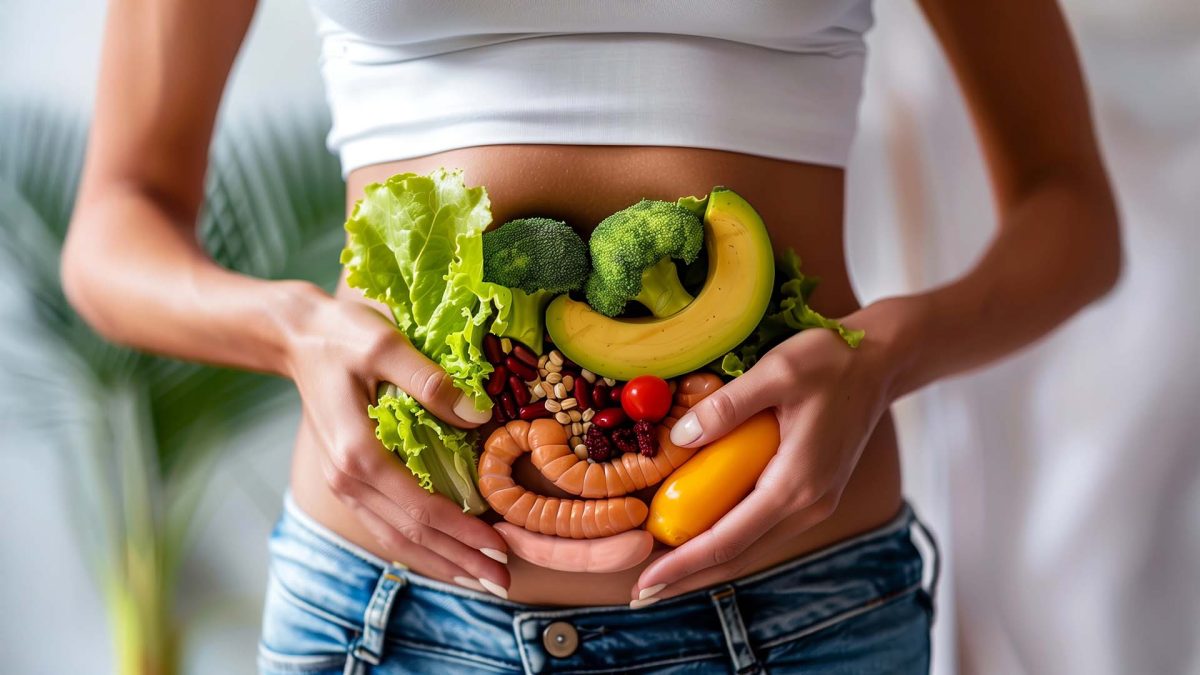
Probiotics are live bacteria and yeasts that are good for your health, especially your digestive system. They're often called "good" or "helpful" bacteria because they help keep your gut healthy. You can find probiotics in supplements and some foods, like yogurt.
These beneficial bacteria work by maintaining a healthy balance in your body. When you're sick, bad bacteria enter your body and increase in number. This knocks your system out of balance. Good bacteria fight off the bad bacteria and restore the balance within your body, making you feel better.
But probiotics aren't just about gut health. Recent studies have shown their potential in improving skin conditions, boosting immune function, and even affecting mood and mental health. For instance, a study published in the Journal of Clinical Gastroenterology found that certain probiotic strains can reduce symptoms of anxiety and depression.
"Probiotics are emerging as a key player in our overall health strategy," says Dr. Sarah Johnson, a gastroenterologist at Mayo Clinic. "They're not just about digestive health anymore. We're seeing potential benefits across a wide range of health conditions."
The growing interest in probiotics has led to a surge in probiotic-enhanced products on the market. From probiotic-infused drinks to skincare products, these beneficial bacteria are making their way into our daily lives in new and innovative ways.
As we continue to uncover the far-reaching effects of our gut microbiome on our health, probiotics are likely to play an increasingly important role in preventive healthcare and personalized medicine. The future of probiotics looks bright, with ongoing research exploring their potential in areas like cancer prevention, heart health, and even cognitive function.
Understanding Probiotic Strains and Dosages
Probiotics are your gut's best friends. These tiny powerhouses come in different strains, each with unique benefits. The most effective for gut health are Lactobacillus and Bifidobacterium species. These friendly bacteria support digestion and boost your immune system.
When it comes to dosage, more isn't always better. For overall gut health, aim for at least 30 billion CFUs (Colony Forming Units) daily. This is a good starting point, but you can adjust based on your needs. Remember, quality matters more than quantity.
Different strains work for different issues. For example, Lactobacillus acidophilus is great for the small intestine, while Bifidobacterium longum loves the large intestine. It's like having specialized workers for different parts of your gut factory!
Probiotic supplements can range from 5 to 100 billion CFUs per dose. But don't be fooled by big numbers. The key is choosing a supplement that matches the CFU level shown to be effective in studies. Also, look for products that guarantee their CFU count at the end of shelf life, not just at manufacture.
Remember, your body is unique. What works for your friend might not work for you. Start with a moderate dose and listen to your body. You might need to experiment to find your perfect probiotic match.
Probiotics and Antibiotic-Associated Diarrhea
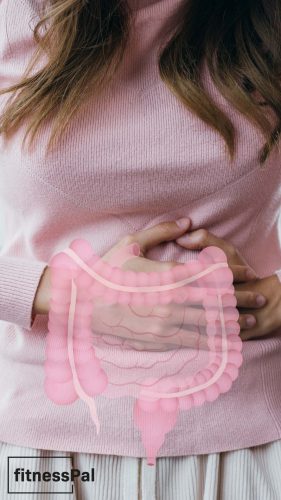
Antibiotics are lifesavers, but they can disrupt your gut balance. That's where probiotics come in. These friendly bacteria help restore your gut's natural harmony, reducing the risk of antibiotic-associated diarrhea (AAD).
Studies show that probiotics are particularly effective in preventing AAD. A 2015 analysis of 22 studies found that probiotic doses of 5 billion CFUs or more per day were most effective. This means you don't need to overdo it – a moderate dose can make a big difference.
Certain probiotic strains shine in preventing AAD. Lactobacillus rhamnosus GG is a superstar in this arena. It helps protect your normal bowel function and buffers against loose stools. Combinations of Lactobacillus and Bifidobacterium strains have also shown promising results in clinical trials.
But does age matter? While probiotics benefit both children and adults, their effectiveness can vary. Children often respond more quickly to probiotic interventions. However, adults can still reap significant benefits, especially when taking higher doses.
Remember, consistency is key. Start taking probiotics when you begin your antibiotic course and continue for a few weeks after. This approach gives your gut the best chance to maintain its balance and ward off unwanted side effects.
Beyond Gut Health: Probiotics for Skin Conditions
Probiotics aren't just for your tummy - they're making waves in skincare too! Recent studies show that these friendly bacteria can help manage atopic dermatitis in kids. This is big news for parents struggling with their little ones' itchy, inflamed skin.
But what about moms-to-be and new moms? While research is still catching up, there's potential for probiotics to support women's health during pregnancy and after birth. Some experts believe that a healthy gut microbiome could lead to better skin health for both mom and baby.
Dr. Sarah Johnson, a dermatologist specializing in pediatric skin conditions, says, "We're seeing promising results with probiotic treatments for atopic dermatitis in children. It's an exciting area of research that could change how we approach skin health from infancy."
However, it's not all smooth sailing. We need more studies to fully understand how probiotics affect pregnancy and postpartum health. Dr. Emily Chen, an OB-GYN, cautions, "While probiotics seem safe during pregnancy, we still need more comprehensive data to make solid recommendations."
So, what's the bottom line? Probiotics show promise for skin health, especially in kids. But for pregnant and postpartum women, it's best to chat with your doctor before jumping on the probiotic bandwagon.

Food vs. Supplements: Getting Your Probiotic Fix
Probiotics are everywhere these days, from yogurt to pills. But what's the best way to get them? Let's dive in!
Yogurt, kefir, kombucha, and kimchi are probiotic powerhouses. These fermented foods pack a punch of beneficial bacteria. Yogurt and kefir are especially consistent sources. They're tasty and versatile, making them easy to add to your diet.
But how do they stack up against supplements? It's not a simple comparison. Food sources offer live microorganisms, but their health effects aren't always linked to specific strains. Supplements, on the other hand, often have scientific backing. They're designed with specific strains that have proven benefits in clinical trials.
When choosing, consider your goals. If you're after general gut health, probiotic foods might do the trick. They offer other nutrients too, like calcium in yogurt. But if you're targeting a specific health issue, a supplement might be more effective.
Remember, quality matters. Look for supplements with clear strain designations and CFU counts. For foods, check labels for "live and active cultures."
Ultimately, both have their place. A balanced approach might be best. Enjoy probiotic foods as part of a healthy diet, and consider supplements for targeted support. Always consult a healthcare provider before starting any new supplement regimen.
The Immune System and Probiotics: A Symbiotic Relationship
Probiotics are more than just gut-friendly bacteria. They're your immune system's best friends too! These tiny powerhouses interact with your body's defenses in amazing ways. They boost your intestinal immune response and help keep inflammation in check. It's like having a personal trainer for your immune system!
But how do they do it? Probiotics are master communicators. They talk to your immune cells, teaching them to be smarter and stronger. For example, Lactobacillus rhamnosus is a real chatterbox. It increases GABA expression in your brain, which can help you feel less stressed. Less stress means a happier immune system!
These friendly bacteria are also great chefs. They whip up short-chain fatty acids like butyrate. These fatty acids are like superfood for your colon cells. They help regulate important processes in your body, including insulin sensitivity and even memory formation. Talk about multi-tasking!
But wait, there's more! Probiotics are also peacekeepers. They help calm down overactive immune responses. This can be a game-changer for people with allergies or autoimmune conditions. It's like having a diplomatic corps working 24/7 in your gut!
Remember, a healthy gut means a healthy you. So, feed your probiotics well, and they'll return the favor by boosting your immune system. It's a win-win relationship!
Navigating Potential Risks and Side Effects
Probiotics are generally safe, but they're not without risks. Most people experience mild digestive symptoms when starting probiotics. These can include bloating, gas, and changes in bowel movements. Don't worry – these usually subside as your body adjusts.
However, some individuals may face more serious side effects. In rare cases, probiotics can cause infections, especially in people with weakened immune systems. If you have a serious health condition, always consult your doctor before starting probiotics.
Certain groups should be extra cautious. Pregnant women, infants, and those with severe illnesses should seek medical advice first. Probiotics might not be suitable if you have pancreatitis or a compromised gut barrier.
Remember, quality matters. Choose reputable brands and follow dosage instructions. Start with a lower dose and gradually increase it. This can help minimize potential side effects.
If you experience persistent or severe symptoms, stop taking probiotics and consult your healthcare provider. Your health and safety come first.
The Future of Probiotic Research and Applications
Exciting developments are on the horizon for probiotic research. Scientists are exploring new ways to harness the power of these beneficial bacteria. One promising area is the use of probiotics in mental health. Recent studies suggest a strong link between gut health and brain function. This connection, known as the gut-brain axis, could lead to innovative treatments for conditions like anxiety and depression.
Personalized probiotics are another emerging trend. Researchers are working on tailoring probiotic formulations to individual microbiomes. This approach could maximize the benefits of probiotics for each person's unique gut ecosystem. Imagine a future where your probiotic supplement is as unique as your fingerprint!
The potential applications of probiotics are expanding beyond digestive health. Scientists are investigating their role in heart health, weight management, and even cancer prevention. While more research is needed, early results are promising.
Advancements in technology are also shaping the future of probiotics. New methods for delivering probiotics to specific areas of the gut are being developed. These targeted approaches could enhance the effectiveness of probiotic treatments.
As we look ahead, it's clear that probiotics will play an increasingly important role in our health and wellness routines. Stay tuned for exciting breakthroughs in this rapidly evolving field!
Sources: