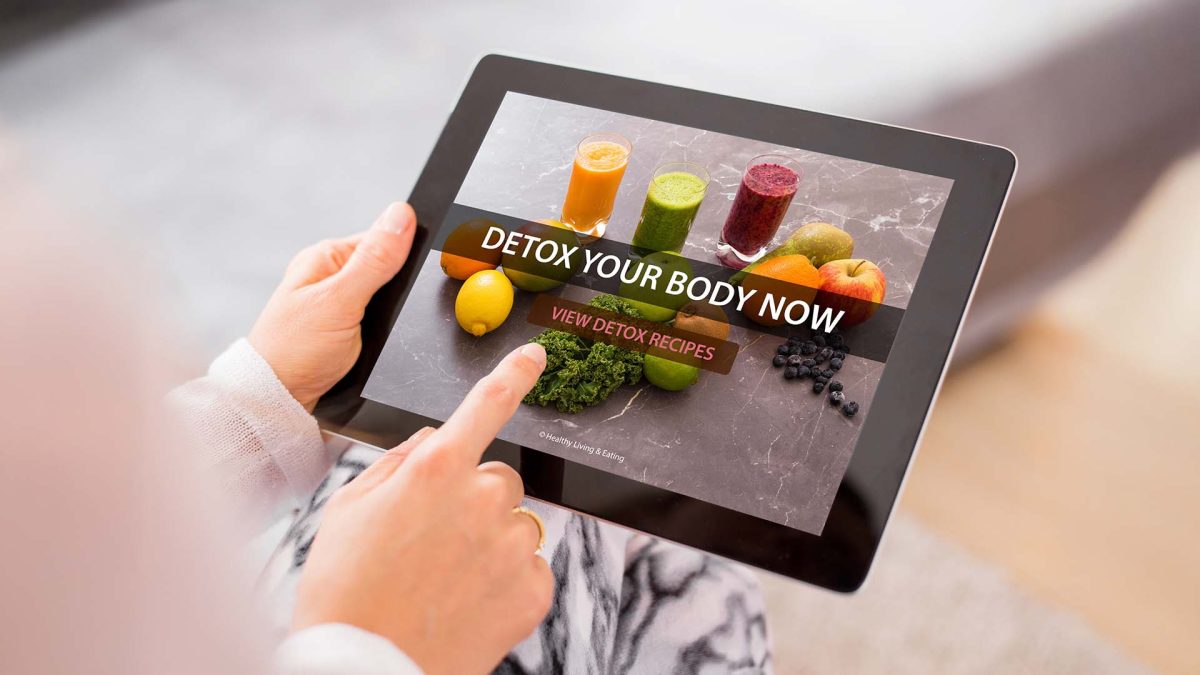
Ready to discover what detox cleanses are really about? Let's cut through the noise and get to the facts. Detox cleanses have become incredibly popular, but the science tells an interesting story. According to Harvard Medical School, your body already has a built-in detox system that works around the clock - no fancy juices required (source).
While many cleanses promise quick weight loss and toxin removal, research shows these results are often temporary. Studies indicate that most weight lost during cleanses comes from water and carbohydrate stores, not actual fat (source). Think of it like wringing out a sponge – the weight comes back once you return to normal eating.
The good news? You can support your body's natural detox processes without extreme measures. UCLA Health experts recommend focusing on whole foods, staying hydrated, and getting enough sleep (source). These simple steps help your liver and kidneys – your body's detox powerhouses – work at their best.
Want to feel better without the risks of extreme cleanses? Start with small changes. Add more vegetables to your meals, drink water throughout the day, and move your body regularly. These sustainable habits support your natural detox systems and create lasting results. Remember, your body is incredibly smart – it just needs the right tools to do its job effectively.
Looking to make a change? Focus on progress, not perfection. Your wellness journey is unique, and the best approach is one you can maintain long-term. Let's work together to build healthy habits that stick, no quick fixes needed.
Understanding Detox Cleanses
Detox cleanses are short-term dietary programs that claim to flush toxins from your body. These programs typically last anywhere from 3 to 30 days and come in various forms, from juice fasts to supplement regimens. According to UCLA Health, the modern detox trend gained momentum in the early 2000s, though cleansing practices date back thousands of years in traditional medicine.
The most common types include juice cleanses, which replace solid foods with fruit and vegetable juices, and supplement-based programs that use herbs and fiber products. Some cleanses also incorporate specific food restrictions or fasting periods. Healthline reports that these programs often promise rapid weight loss, increased energy, and improved skin health.
While detox products have become a billion-dollar industry, it's important to understand what they actually do. Most cleanses work by severely restricting calories and eliminating certain food groups. According to Harvard Health, many popular detox programs lack scientific evidence to support their claims of toxin removal.
Commercial cleanses often include specific supplements, teas, or juices that claim to boost your body's natural detoxification processes. However, research shows that your liver and kidneys already excel at removing harmful substances from your body. These organs work continuously to filter blood, process nutrients, and eliminate waste products naturally.
Remember that while some people report feeling better after a cleanse, these effects are often temporary and may be related to eliminating processed foods rather than any "detoxifying" properties. Before starting any detox program, it's crucial to consult with a healthcare provider to ensure it's safe for your individual needs.
The Science Behind Detoxification
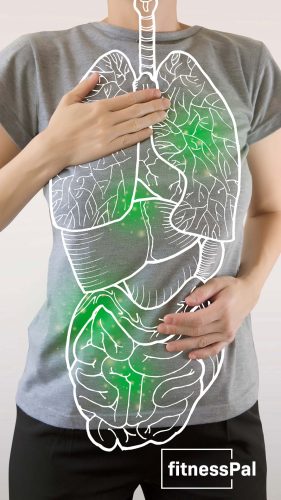
Your body is an incredible machine with built-in detoxification systems. The liver and kidneys work tirelessly to filter toxins, making external cleanses largely unnecessary. According to Harvard Medical School, there's no scientific evidence that detox cleanses remove toxins better than your body's natural processes source.
Your liver is your primary detox powerhouse. It breaks down harmful substances and transforms them into water-soluble compounds that your body can eliminate. Meanwhile, your kidneys filter your blood about 40 times a day, removing waste and excess water source.
The scientific community remains skeptical about commercial detox products. UCLA Health researchers found that most cleanse products lack clinical evidence supporting their effectiveness source. Instead of expensive cleanses, you can support your natural detox systems by:
- Drinking plenty of water
- Eating fiber-rich foods
- Getting regular exercise
- Getting enough sleep
- Limiting processed foods
These simple lifestyle changes help your body's natural detox processes work more efficiently. Remember, your body is already equipped with everything it needs to remove harmful substances. Focus on supporting these systems rather than trying to override them with artificial cleanses.
Think of your body like a self-cleaning oven – it knows exactly what to do. Your job is to provide the right environment and nutrients for these processes to work their best. That's the real science of detoxification.
Common Types of Detox Cleanses
Ready to explore the world of detox cleanses? Let's break down the most popular options you might encounter on your wellness journey. Juice cleanses lead the pack, featuring fresh-pressed fruits and vegetables that provide vitamins and minerals. These programs typically last 3-10 days and can range from pure juice to modified plans that include some solid foods.
Liquid-only cleanses go beyond just juice, incorporating broths, smoothies, and herbal teas. According to UCLA Health, these cleanses often promise quick results but can lead to nutrient deficiencies if followed for too long. Some people opt for supplement-based cleanses, which combine pills or powders with a restricted diet. These products might contain herbs, fiber, or other natural ingredients designed to support digestion.
Herbal detox programs focus on specific botanical ingredients like milk thistle, dandelion root, or green tea. While these herbs have traditional uses, research from Healthline shows limited scientific evidence supporting their detoxification claims. Master cleanse programs combine lemon juice, maple syrup, and cayenne pepper – though health experts caution against their extreme nature.
Remember, your body has its own amazing detox system! The best cleanse supports rather than replaces these natural processes. Before starting any program, check with your healthcare provider to ensure it's safe for your unique needs. Want to try a gentle approach? Start with a whole-foods reset that emphasizes fruits, vegetables, and plenty of water.

Weight Loss and Detox Cleanses
Let's talk about what really happens to your weight during a detox cleanse. While you might see the numbers drop on your scale initially, there's more to the story than meets the eye.
Most people experience quick weight loss during a detox cleanse, but it's primarily water weight. When you restrict calories and carbohydrates, your body uses up its glycogen stores, releasing water in the process. According to Healthline, this initial weight loss is temporary and typically returns once you resume normal eating.
Think of it like wringing out a sponge – you can squeeze out the water, but it'll soak it right back up when given the chance. Your body works similarly during a cleanse. Research from UCLA Health shows that severe calorie restriction can actually slow down your metabolism, making it harder to maintain weight loss in the long run.
Want sustainable results? Focus on building healthy habits instead. A study by Harvard Health suggests that gradual weight loss through balanced nutrition and regular exercise leads to better long-term outcomes than quick-fix cleanses.
Remember, your body is incredibly smart at managing its weight. Rather than seeking dramatic results through cleanses, aim for steady progress through sustainable changes. Small, consistent steps forward will take you much further than any short-term cleanse ever could.
Side Effects and Management
Starting a detox cleanse can bring unexpected challenges to your body. Common symptoms include headaches, fatigue, and irritability - especially during the first few days. These reactions, often called "detox symptoms," happen when you suddenly change your eating habits.
Your energy levels might dip as your body adjusts to fewer calories. Mood swings and difficulty concentrating are also normal reactions. Some people experience digestive changes like bloating or frequent bathroom visits. Don't worry - these effects usually improve after a few days.
Certain groups should avoid detox cleanses completely. This includes pregnant women, people with diabetes, those with eating disorders, and anyone with kidney problems. If you're taking medications, check with your doctor first.
Managing side effects starts with staying hydrated. Drink plenty of water throughout the day. If you feel lightheaded, try eating a small, nutritious snack. Getting enough rest helps your body adjust more smoothly. Listen to your body - if symptoms become severe, stop the cleanse and return to normal eating.
Keep your cleanse gentle and gradual. Start by removing processed foods before jumping into a full cleanse. This approach helps minimize uncomfortable side effects. Remember to include enough fiber in your diet to support healthy digestion.
If you experience severe symptoms like extreme dizziness, rapid heartbeat, or severe stomach pain, stop the cleanse immediately. These signs indicate your body isn't responding well to the detox. Contact your healthcare provider if symptoms persist.
Healthier Alternatives
Skip the trendy detox cleanses and support your body's natural detoxification with proven methods. Start by drinking plenty of water throughout the day - aim for 8 glasses to help your kidneys flush out waste efficiently. Add fresh lemon to your water for an extra antioxidant boost.
Focus on eating whole, nutrient-dense foods that support liver function. Dark leafy greens like spinach and kale provide essential minerals, while cruciferous vegetables like broccoli and Brussels sprouts contain compounds that enhance detoxification pathways. According to UCLA Health, these natural food choices are far more effective than commercial cleanses.
Get moving! Regular exercise helps stimulate lymphatic flow and promotes healthy digestion. Even a 30-minute daily walk can make a difference. Quality sleep is equally important - aim for 7-9 hours per night to give your body time to repair and regenerate.
Cut back on processed foods, excess sugar, and alcohol. Harvard Health confirms that reducing these substances naturally supports your body's detoxification systems. Instead of strict cleanses, try incorporating these small changes:
- Start your day with warm water and lemon
- Eat more fiber-rich fruits and vegetables
- Stay hydrated with water and herbal teas
- Practice stress-reducing activities like meditation
- Get regular exercise
- Prioritize quality sleep
Remember, supporting your body's natural detox processes is about consistent, healthy habits rather than quick fixes. These sustainable changes will serve you better in the long run while avoiding the risks associated with extreme cleanses.
Expert Recommendations
Getting expert advice is crucial before starting any detox program. Medical professionals consistently emphasize that your body has natural detoxification systems that work effectively on their own. Dr. Melinda Ring from UCLA Health states, "The best way to support your body's detoxification is through a healthy diet and lifestyle, not through extreme cleanses" (source).
Want to cleanse safely? Here are expert-backed strategies:
- Start with whole foods: Fill your plate with colorful fruits and vegetables. These natural foods support your liver's detoxification processes without any extreme measures.
- Stay hydrated: Drink water throughout the day. Harvard Health experts recommend 8-10 glasses daily to help your kidneys filter waste effectively (source).
- Get enough sleep: Your body detoxifies most actively during rest. Aim for 7-9 hours of quality sleep each night.
- Move regularly: Exercise helps stimulate lymphatic flow and promotes natural detoxification through sweat.
Remember to talk to your healthcare provider before starting any new health routine. This is especially important if you have underlying health conditions or take medications. They can help create a personalized plan that's both safe and effective for your specific needs.
Looking for sustainable results? Focus on building healthy habits rather than quick fixes. Research shows that gradual lifestyle changes lead to better long-term outcomes than extreme cleanses (source).
Conclusion
Your body is already equipped with powerful detoxification systems. While detox cleanses may offer temporary benefits like reduced bloating and increased hydration, scientific evidence doesn't support their long-term effectiveness for toxin removal. According to Harvard Health, the best way to support your body's natural detox processes is through sustainable lifestyle choices.
Instead of extreme cleanses, focus on nourishing your body daily. Eat plenty of whole foods, stay hydrated, and get regular exercise. These simple habits support your liver and kidneys – your body's built-in detox powerhouses. Research from Healthline shows that maintaining a balanced diet rich in fruits, vegetables, and fiber is more effective than any quick-fix cleanse.
If you're considering a detox program, remember that sustainable changes beat short-term solutions. Listen to your body and consult with healthcare professionals before starting any new health regimen. The path to wellness isn't found in extreme measures but in consistent, healthy choices that support your body's natural processes.
Looking ahead, more research is needed to fully understand the impact of various cleansing methods. Until then, focus on evidence-based approaches to health and wellness that work with your body, not against it.