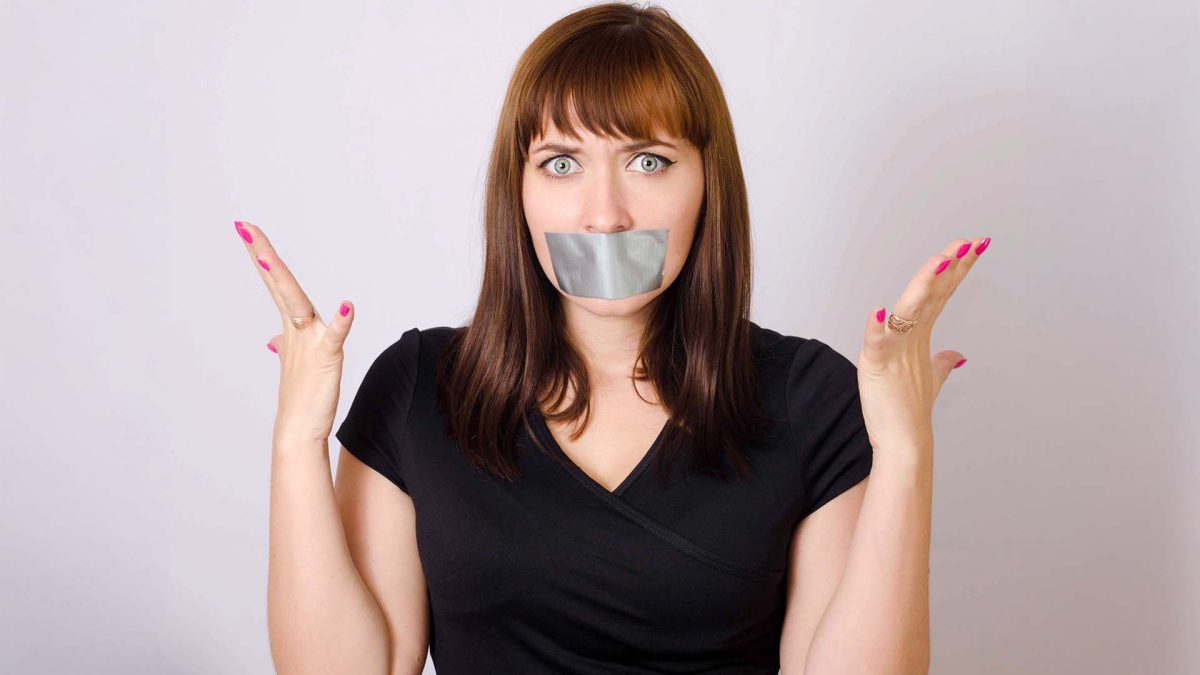
Mouth taping, a practice of sealing the lips shut during sleep, is stirring up debate in the health and wellness community. This unconventional method aims to promote nasal breathing and improve sleep quality. Social media platforms like TikTok have seen a surge in #mouthtaping videos, amassing millions of views.
Proponents claim numerous benefits, from reduced snoring to better oral health. However, medical experts urge caution. Dr. Raj Dasgupta, a sleep specialist at the University of Southern California, warns, "There are potential benefits of mouth taping, but there are also risks." He emphasizes the importance of addressing underlying sleep issues before trying this method.
Recent studies have shown promising results for individuals with mild sleep apnea. A 2022 study published in the Sleep and Breathing journal found that mouth taping reduced the apnea-hypopnea index (AHI) by nearly half in some patients.
Despite these findings, the American Academy of Sleep Medicine hasn't endorsed mouth taping as a treatment for sleep disorders. Dr. Colleen Lance, a sleep specialist at the Cleveland Clinic, states, "While the concept is interesting, we need more robust clinical trials before recommending it widely."
Safety concerns persist, particularly for those with undiagnosed sleep apnea or nasal obstructions. Allergic reactions to adhesives and anxiety about restricted breathing are additional risks to consider.
As research continues, experts advise consulting a healthcare professional before trying mouth taping. Alternative methods like nasal strips or positional therapy may be safer options for addressing sleep-related issues.
The growing interest in mouth taping highlights a broader trend towards non-invasive sleep solutions. As we await more comprehensive studies, the debate around this controversial practice is likely to continue, shaping future approaches to sleep health.
The Science Behind Mouth Taping
Mouth taping is gaining attention as a potential sleep aid, but what's the science behind it? The theory is simple: by keeping your mouth closed during sleep, you're forced to breathe through your nose. Nasal breathing has several benefits, including better filtration of air and increased nitric oxide production.
A recent study published in the Sleep and Breathing Journal sheds light on the effectiveness of mouth taping for mild sleep apnea. The research found that mouth taping significantly reduced both the apnea-hypopnea index (AHI) and snoring index (SI) in patients with mild obstructive sleep apnea (OSA).
The study involved 20 patients with mild OSA. After using mouth tape, their median AHI decreased from 8.3 to 4.7 events per hour. Even more impressive, the median SI dropped from 303.8 to 121.1 events per hour. That's nearly a 50% reduction in both measures!
But how does it work? By promoting nasal breathing, mouth taping may help keep the airway open and reduce the vibrations that cause snoring. It's particularly effective for those with positional sleep apnea.
However, it's crucial to note that while these results are promising, they're specific to mild cases of OSA. The effectiveness and safety for more severe cases or long-term use are still under investigation.
Remember, while the science is intriguing, it's always best to consult with a sleep specialist before trying any new sleep interventions. They can help determine if mouth taping is appropriate for your specific situation and guide you towards the most effective treatment options.
Reported Benefits and Anecdotal Evidence
Mouth taping has gained a following among sleep enthusiasts who swear by its benefits. Many users report improved sleep quality after trying this unconventional method. They claim to wake up feeling more refreshed and energized. Some even say it's helped them kick their snoring habit.
Dry mouth and bad breath are common complaints for mouth breathers. Taping enthusiasts say these issues have significantly decreased since adopting the practice. They attribute this to the forced nasal breathing throughout the night.
Some proponents go as far as touting potential anti-aging effects. They argue that proper breathing alignment leads to better oxygenation and overall health. However, it's crucial to note that these claims lack substantial scientific backing.
While anecdotal evidence is compelling, it's not a substitute for rigorous research. The scientific community remains cautious about endorsing mouth taping without more comprehensive studies. Dr. Sahil Chopra, a sleep specialist, emphasizes this point: "While some patients report positive outcomes, we need more controlled trials to fully understand the long-term effects and safety profile of mouth taping."
Despite the enthusiasm, experts urge caution. Dr. Raj Dasgupta, a pulmonary and sleep medicine specialist, warns: "Mouth taping is not a one-size-fits-all solution. It could potentially worsen sleep apnea symptoms in some individuals."
While some users report life-changing results, it's essential to approach mouth taping with a critical eye. The gap between anecdotal evidence and scientific proof remains significant. As research continues, a clearer picture of mouth taping's true benefits and limitations may emerge.
Safety Concerns and Potential Risks
Mouth taping, while gaining popularity, comes with its share of safety concerns. Anxiety and breathing difficulties are potential side effects that shouldn't be overlooked. For some, the sensation of having their mouth taped shut can trigger panic, especially during initial use. This anxiety can disrupt sleep, counteracting any potential benefits.
Individuals with undiagnosed or severe sleep apnea face significant risks. Mouth taping may exacerbate their condition by forcing nasal breathing when the nasal passages are obstructed. This can lead to increased breathing difficulties and potentially dangerous drops in oxygen levels during sleep.
Skin irritation is another concern. While many products use hypoallergenic tape, individual reactions can still occur. The delicate skin around the mouth may become irritated, leading to redness, itching, or even minor abrasions.
It's crucial to note that mouth taping is not suitable for everyone. Those with certain medical conditions, particularly nasal obstructions or respiratory issues, should avoid this practice. The risks outweigh any potential benefits for these individuals.
Dr. Raj Dasgupta, a sleep specialist, warns, "Mouth taping is not a one-size-fits-all solution and can be dangerous for some people." He emphasizes the importance of professional evaluation before trying this method.
While some users report positive experiences, the lack of comprehensive studies on long-term effects raises concerns. The impact on oral health and jaw development over extended periods remains unknown. This gap in knowledge underscores the need for caution and further research.

Expert Opinions and Medical Recommendations
Mouth taping has sparked debate among sleep specialists and dentists. Many experts remain cautious about recommending it as a widespread treatment for sleep issues. Dr. Raj Dasgupta, a sleep specialist at the University of Southern California, warns, "Mouth taping is not a standard treatment for sleep apnea or snoring." He emphasizes the importance of proper diagnosis before trying any sleep interventions.
The American Academy of Sleep Medicine doesn't endorse mouth taping as a primary treatment. Dr. Colleen Lance, a sleep disorder specialist at Cleveland Clinic, notes, "While some patients report benefits, we need more robust clinical trials to confirm its effectiveness and safety." This sentiment echoes across the medical community, highlighting the need for further research.
Some dentists, however, see potential in mouth taping for specific cases. Dr. Mark Burhenne, a functional dentist, suggests, "For patients with mild sleep-disordered breathing, mouth taping could be a simple, low-cost intervention." But he stresses the importance of professional guidance and proper technique.
The consensus among experts is clear: mouth taping shouldn't replace established treatments for sleep apnea or severe snoring. Dr. Dasgupta advises, "Always consult with a sleep specialist before trying any new sleep therapy." This cautious approach ensures patient safety while leaving room for future research to potentially validate mouth taping's place in sleep medicine.
Alternative Methods for Addressing Sleep Issues
Mouth taping isn't the only option for those seeking better sleep. There are several proven alternatives that can help address snoring and sleep apnea. Nasal strips, for example, are a popular and non-invasive choice. These adhesive strips open up the nasal passages, making breathing easier.
Positional therapy is another effective method. Simply changing your sleep position can make a big difference. Sleeping on your side instead of your back can reduce snoring and improve breathing. Some people find success with special pillows or devices that encourage side sleeping.
Oral appliances, like mandibular advancement devices, are often recommended by sleep specialists. These devices work by moving the lower jaw forward, opening up the airway. They're particularly effective for mild to moderate sleep apnea.
Compared to mouth taping, these alternatives have more scientific backing. However, some studies suggest combining methods can be beneficial. One study found that using mouth tape with a mandibular advancement device was more effective than the device alone.
Remember, what works best varies from person to person. It's crucial to consult with a healthcare professional to find the right solution for your specific needs. They can help you navigate the options and choose the most effective and safe method for you.

Long-Term Considerations and Future Research
Mouth taping, while gaining popularity, still lacks comprehensive long-term studies. The effects on oral health and jaw development over extended periods remain largely unknown. This gap in knowledge calls for more extensive research to fully understand the potential benefits and risks.
Future studies need to focus on diverse populations, including children and adults with various sleep disorders. Researchers should investigate how prolonged use of mouth tape affects dental health, facial structure, and overall sleep quality. These studies could provide valuable insights into the long-term safety and efficacy of this practice.
The field of sleep medicine is constantly evolving. As interest in nasal breathing techniques grows, we may see new innovations in sleep aids. These could include advanced mouth taping methods or alternative devices that promote nasal breathing without the potential risks associated with taping.
Experts are calling for more rigorous clinical trials to evaluate mouth taping's long-term effects. Dr. Raj Dasgupta, a sleep specialist at the University of Southern California, emphasizes the need for caution: "While some people may find mouth taping helpful, we need more research to understand its long-term impacts and determine who might benefit most from this practice."
As research progresses, we may see mouth taping integrated into broader sleep hygiene practices. However, until more conclusive evidence is available, it's crucial to approach this trend with caution and under professional guidance.
Weighing the Pros and Cons
Mouth taping is a controversial sleep aid that's gained attention recently. While some users report benefits, it's crucial to approach this practice with caution. Studies have shown potential improvements in snoring and mild sleep apnea. However, the long-term effects remain unclear.
Safety concerns can't be ignored. Risks include breathing difficulties and skin irritation. For those with severe sleep apnea or nasal obstructions, mouth taping could be dangerous. It's not a one-size-fits-all solution.
Medical experts are divided on its use. Many recommend tried-and-true alternatives like nasal strips or mandibular advancement devices. These methods have more research backing their effectiveness and safety.
Before trying mouth taping, consult a healthcare professional. They can assess your individual needs and risks. Remember, what works for one person may not work for another. Stay informed about ongoing research in sleep medicine. Your health and safety should always come first.