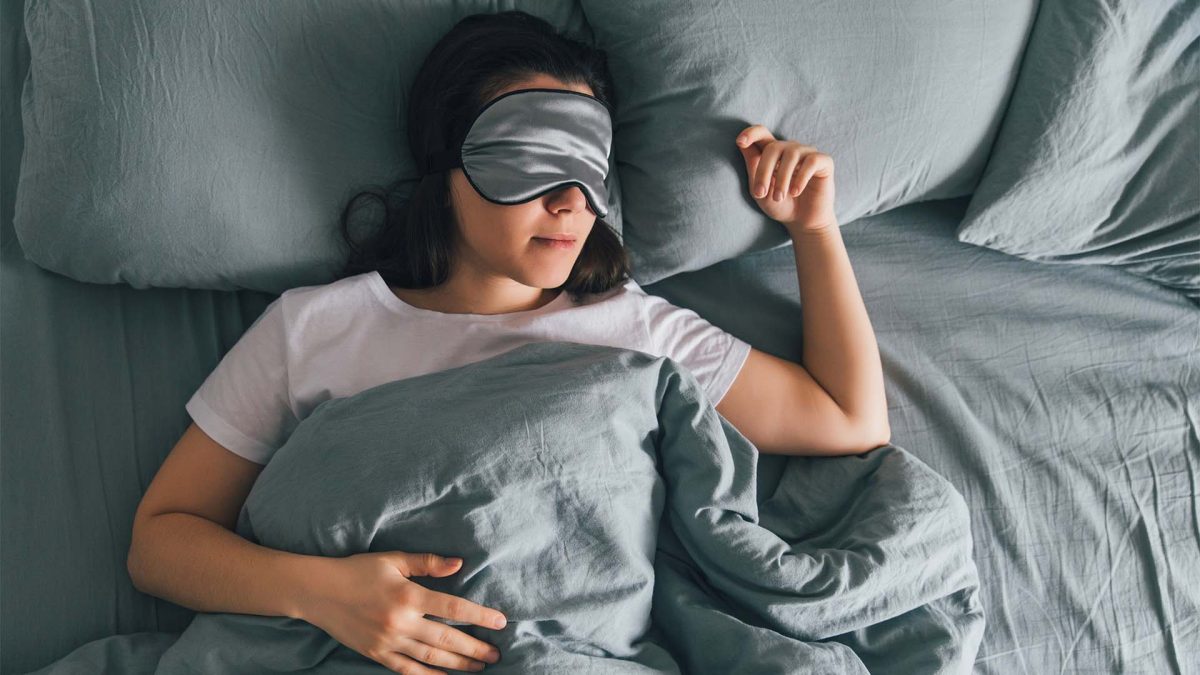
Sleep deprivation isn't just about feeling tired – it's a serious health concern affecting millions. When you consistently get less than 7 hours of sleep, your brain and body start sending warning signals. Recent research from Columbia Psychiatry shows that even a few nights of poor sleep can trigger anxiety symptoms and emotional difficulties.
Your mental health takes a significant hit when you're sleep-deprived. According to the American Psychological Association, lack of sleep can increase anxiety by up to 30% and dramatically reduce your ability to handle daily stress. You might notice yourself becoming more irritable, having trouble concentrating, or feeling overwhelmed by simple tasks.
The physical toll is equally concerning. The Sleep Foundation reports that ongoing sleep deprivation weakens your immune system and increases your risk of serious health conditions. Your body's ability to regulate blood sugar becomes compromised, and your heart has to work harder to keep up with daily demands.
Think of sleep deprivation like a snowball rolling downhill – it starts small but quickly grows into something bigger. Each night of missed sleep adds to your sleep debt, making recovery more challenging. The good news? Understanding these impacts is your first step toward better sleep. By recognizing how sleep affects your mental and physical health, you can take meaningful action to improve your sleep quality.
Remember, you're not alone in this struggle. Whether it's stress, work demands, or other factors keeping you awake, there are proven solutions to help you get back on track. The key is acknowledging the problem and being ready to make positive changes for your health.
Evidence-Based Treatment Options
Getting your sleep back on track requires proven solutions that work. Cognitive Behavioral Therapy for Insomnia (CBT-I) stands out as a powerful first-line treatment. According to the Sleep Foundation, CBT-I helps 70-80% of patients achieve better sleep without medication.
CBT-I works by addressing thoughts and behaviors that interfere with sleep. You'll learn to recognize and change negative sleep patterns through structured sessions with a trained therapist. The best part? The benefits last long after treatment ends, unlike sleep medications that often create dependency.
Sleep restriction therapy, a key component of CBT-I, helps reset your natural sleep rhythm. HelpGuide explains that this approach temporarily reduces time in bed to build up sleep pressure. While challenging at first, most people see improvements within 2-3 weeks.
When comparing treatments, research shows CBT-I outperforms sleep medications for long-term results. While medications offer quick relief, they don't address underlying sleep issues. CBT-I teaches you lifelong skills to maintain healthy sleep patterns.
Your treatment plan might include:
- Sleep scheduling exercises
- Relaxation techniques
- Thought restructuring
- Stimulus control therapy
- Sleep hygiene education
Remember, successful treatment often combines multiple approaches. Work with your healthcare provider to find the right mix of evidence-based solutions for your unique sleep challenges.

Natural Remedies and Lifestyle Changes
Ready to improve your sleep naturally? Let's explore science-backed strategies that can transform your nights. Small changes in your daily routine can make a big difference in your sleep quality.
Creating the perfect sleep environment is your first step. Keep your bedroom cool, dark, and quiet. The Sleep Foundation recommends a temperature between 60-67°F (15-19°C) for optimal rest. Blackout curtains or an eye mask can block disruptive light, while white noise machines help mask unwanted sounds.
Your daily habits matter too. According to HelpGuide's sleep research, timing your exercise right can significantly impact sleep quality. Aim to finish vigorous workouts at least 3 hours before bedtime. Light stretching or yoga in the evening can help you wind down.
What you eat and drink plays a crucial role. The Sleep Foundation suggests avoiding caffeine after 2 PM and limiting alcohol before bed. Instead, try calming herbal teas like chamomile or valerian root. A light snack combining complex carbs and protein can help prevent midnight hunger without disrupting sleep.
Develop a consistent bedtime routine. Start winding down 30-60 minutes before sleep by:
- Taking a warm bath or shower
- Reading a book (avoid screens)
- Practicing gentle stretches
- Using relaxation techniques like deep breathing
Remember, natural light exposure during the day helps regulate your body's sleep-wake cycle. Spend time outdoors in the morning and limit bright light exposure in the evening. Your body will thank you with better sleep.
These changes work best when implemented consistently. Pick one or two to start with and gradually add more as they become habits. Quality sleep isn't just about nighttime - it's about the choices you make throughout your day.
Managing Sleep Debt
Sleep debt isn't just about missing a few hours here and there – it's like overdrawing your sleep bank account. When you consistently get less sleep than your body needs, you build up this debt that needs to be repaid. According to the Sleep Foundation, most adults need 7-9 hours of sleep per night to avoid accumulating sleep debt.
Ready to clear your sleep debt? Start with a consistent sleep schedule – yes, even on weekends! Your body loves routine, and a regular sleep pattern helps reset your internal clock. If you're carrying a sleep debt, try adding an extra hour of sleep each night until you feel refreshed in the morning.
Here's your action plan to manage sleep debt:
- Add 15-30 minutes to your sleep time each night
- Take short power naps (20 minutes max) during the day
- Go to bed and wake up at the same time daily
- Create a relaxing bedtime routine
Remember, you can't "catch up" on weeks of poor sleep in one weekend. The Sleep Foundation research shows that while you might feel better after sleeping in, it doesn't fully reverse the effects of chronic sleep loss.
Prevention is your best strategy. Track your sleep patterns using a simple diary or sleep app. When you notice you're building up sleep debt, adjust your schedule immediately. Small changes today prevent bigger sleep problems tomorrow.
Think of sleep as a non-negotiable appointment with yourself. Just like you wouldn't skip important meetings, don't skip your sleep. Your body and mind will thank you with better focus, improved mood, and increased energy throughout the day.
Professional Help and When to Seek It
Recognizing when to get professional help for sleep issues can be life-changing. If you've tried basic sleep improvements without success, it's time to consider expert support. According to the American Psychological Association, persistent sleep problems can increase anxiety symptoms by 30% and significantly impact your daily functioning.
Warning Signs to Watch For
Pay attention if you experience:
- Difficulty falling asleep for more than 30 minutes, 3+ nights per week
- Waking up multiple times during the night
- Feeling exhausted despite sleeping
- Mood changes or irritability
- Trouble concentrating at work or school
Finding the Right Sleep Specialist
Different experts can help with sleep issues:
- Sleep physicians diagnose and treat sleep disorders
- Behavioral sleep specialists focus on changing sleep habits
- Psychiatrists address sleep problems linked to mental health
The American Academy of Sleep Medicine can help you locate accredited sleep centers near you.

What to Expect During Treatment
Your first appointment typically includes:
- A detailed sleep history
- Discussion of symptoms and lifestyle
- Possible sleep study recommendation
- Creation of a personalized treatment plan
Research from Columbia Psychiatry shows that professional treatment can improve sleep quality in 75% of patients within 2-3 months.
Remember, seeking help isn't a sign of weakness – it's a smart step toward better health. Many sleep issues are highly treatable with professional guidance. Don't wait until exhaustion takes over to reach out for support.
Creating a Sustainable Sleep Recovery Plan
Getting better sleep isn't a one-night fix – it's about building habits that last. Let's create your path to consistent, refreshing sleep with proven strategies that work.
Start with Sleep Tracking
Track your sleep patterns using a simple sleep diary or a sleep tracking app. Note your bedtime, wake time, and sleep quality. This data helps you spot patterns and measure progress. The Sleep Foundation recommends at least two weeks of tracking to establish your baseline sleep patterns (Sleep Foundation).
Build Your Bedtime Routine
Create a 30-minute wind-down routine that signals your body it's time to rest. This might include:
- Dimming lights
- Light stretching
- Reading a book
- Gentle breathing exercises
Set Realistic Goals
Start with small, achievable changes. According to sleep experts at Columbia Psychiatry, trying to overhaul your entire sleep schedule at once often leads to frustration (Columbia Psychiatry). Instead:
- Adjust bedtime by 15 minutes each week
- Focus on consistent wake times
- Celebrate small improvements
Monitor Your Progress
Keep track of these key metrics:
- Total sleep time
- Time to fall asleep
- Number of night wakings
- Morning energy levels
Maintain Your Success
Once you've established better sleep patterns, protect them by:
- Sticking to your schedule on weekends
- Planning ahead for travel or schedule changes
- Regular exercise (but not too close to bedtime)
- Limiting caffeine after 2 PM
Remember, setbacks are normal. The American Psychological Association notes that consistency, not perfection, is key to long-term sleep health (APA). Keep following your plan, and you'll build lasting habits for better sleep.
Conclusion and Key Takeaways
Tackling sleep deprivation is a journey that combines various treatment approaches for the best results. Research from the Sleep Foundation shows that Cognitive Behavioral Therapy for Insomnia (CBT-I) stands out as a highly effective treatment option. This method helps reshape your thoughts and behaviors around sleep, leading to lasting improvements.
Your path to better sleep starts with small, manageable steps. Begin by establishing a consistent sleep schedule and creating a relaxing bedtime routine. According to Columbia Psychiatry, these simple changes can significantly impact your sleep quality and mental well-being.
Remember that recovery from sleep deprivation isn't just about getting more hours – it's about improving sleep quality too. The American Psychological Association emphasizes that quality sleep is crucial for maintaining emotional balance and reducing anxiety symptoms.
Take action today by:
- Setting a regular sleep schedule
- Creating a calm sleep environment
- Limiting screen time before bed
- Seeking professional help if needed
For additional support, explore sleep tracking apps or consult a sleep specialist. Your journey to better sleep is personal, and it's okay to try different approaches until you find what works best for you.