Introduction
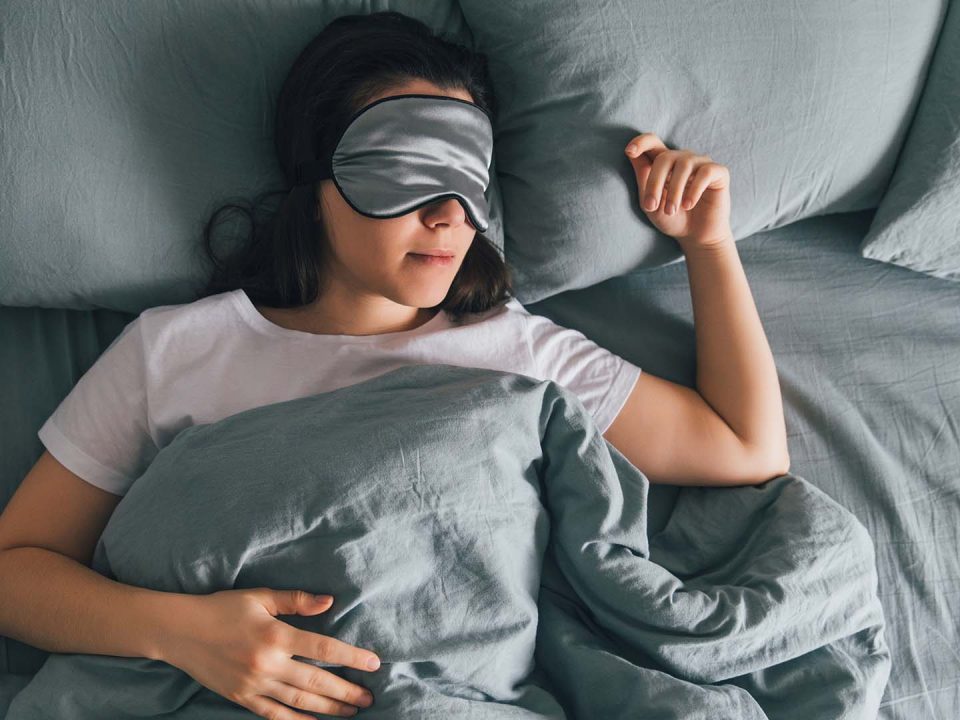
Taking regular naps could be your secret weapon for maintaining a healthier brain. A groundbreaking study from University College London revealed that nappers might be giving their brains a significant advantage. The research shows that people who regularly nap have larger brain volumes – think of it as having a brain that's 2.6 to 6.5 years younger than your actual age!
Scientists discovered something fascinating when looking at our genes. Some people are natural nappers, and it turns out these genetic nappers have bigger, healthier brains. The study, which included data from 378,932 participants, found that these natural nappers might have better protection against brain-related health issues as they age.
"This research suggests that napping isn't just about feeling refreshed – it could be a powerful tool for brain health," says Dr. Victoria Garfield, the study's lead researcher from UCL. The findings indicate that a quick afternoon snooze might help keep your brain sharp and potentially reduce the risk of conditions like dementia.
Want to know the best part? You don't need to nap for hours to get these benefits. Even a short 20-minute nap can help your brain stay healthy. Think of it as a mini workout for your mind – just like how regular exercise keeps your body fit, consistent napping could keep your brain in top shape.
Short vs. Long Naps: Finding the Sweet Spot
Ready to unlock the power of perfect napping? Let's break down exactly how different nap lengths affect your body and mind. The sweet spot for most people is a 20-30 minute power nap. These short rests can boost your energy and sharpen your focus without leaving you feeling groggy.
Think of your nap like a quick battery recharge. Research from the National Sleep Foundation shows that brief power naps improve alertness by 31% and boost workplace performance. You'll wake up feeling refreshed and ready to tackle the rest of your day.
But be careful with those longer snoozes! Naps over 60 minutes can actually work against you. A recent study published in Hypertension found that long nappers had a 34% higher chance of developing high blood pressure compared to non-nappers. These extended rest periods can also make it harder to fall asleep at night.
Want the best results? Set your alarm for 25 minutes. This gives you about 5 minutes to drift off and 20 minutes of quality rest. You'll wake up before entering deep sleep, avoiding that zombie-like feeling while still getting the energy boost you need.
Remember, consistency matters more than length. Regular short naps are better for your heart health than occasional long ones. The BBC Future reports that habitual nappers show improved cardiovascular function when they stick to brief, scheduled rest periods.
Cognitive Enhancement Through Strategic Napping
Want to boost your brain power? A well-timed nap might be your secret weapon. Research shows that napping does more than just fight fatigue – it's like hitting the refresh button for your brain.
Think of your brain as a filing cabinet. During a nap, it sorts through information you've learned, making it easier to remember later. A study from the Sleep Foundation found that a 20-minute nap can improve your memory by up to 40%, helping you recall everything from names to important facts.
Your reaction time gets sharper too. After a quick nap, you'll notice better focus and faster thinking. The National Sleep Foundation reports that nappers show improved performance in tasks requiring quick decisions, similar to having a cup of coffee – but without the jitters!
Feeling stressed? A nap can help with that. Research from the BBC Future shows that even a short rest reduces stress hormones in your body. It's like pressing a reset button on your mood, helping you feel more positive and ready to tackle challenges.
The best part? You don't need to nap for hours to get these benefits. A 20-30 minute power nap is all it takes. It's enough time to refresh your brain without leaving you feeling groggy.
Napping Across Different Demographics
Ready to discover how napping can work for you? Different groups benefit from naps in unique ways. Let's explore how you can make napping work for your lifestyle.
Athletes gain a serious edge from strategic napping. A 20-30 minute power nap before training or competition can boost reaction times by up to 16%, according to research from the National Sleep Foundation. Think of it as your secret weapon for better performance.
Working the night shift? You're not alone. Short naps during breaks can be a game-changer. Studies show that a 20-minute nap during night shifts can reduce workplace accidents by 34% and improve alertness for up to 4 hours. Just find a quiet spot and set that alarm!
For our older friends, napping needs extra attention. While a quick afternoon rest can help sharpen your mind, keep those naps under 30 minutes. Research from the BBC Future report shows that longer naps might signal underlying health issues. Listen to your body and stick to early afternoon naps.
Special groups need special rules. Pregnant women often benefit from short naps to combat fatigue. Students can boost exam performance with a quick study break nap. Just remember - timing is everything!

Optimizing Your Nap Schedule
Ready to become a napping pro? Let's make every minute of rest count! The perfect nap starts with timing it right. Aim to nap between 1:00 PM and 3:00 PM, when your body naturally experiences an energy dip. This window helps avoid disrupting your nighttime sleep schedule.
Keep your naps short and sweet – 20 minutes is your sweet spot. This length gives you the energy boost you need without leaving you feeling groggy. Think of it as a quick battery recharge for your brain! Studies show that 20-minute power naps can improve alertness by 54% and boost productivity for up to 3 hours.
Create your perfect nap environment by finding a quiet, dark space. The ideal temperature is between 65-68°F (18-20°C). Use an eye mask and set an alarm to avoid oversleeping. Don't worry if you can't fall asleep right away – even quiet rest can refresh your mind.
Here's a pro tip: drink a small cup of coffee right before your nap. The caffeine takes about 20 minutes to kick in, so you'll wake up feeling extra energized. This technique, known as a "coffee nap," has been shown to enhance alertness more than either coffee or napping alone.
Remember to avoid napping after 3 PM, as late-day naps can interfere with your nighttime sleep. If you work night shifts, adjust these times to match your sleep schedule – aim to nap about 6-8 hours after waking up.
Future Implications and Research
Get ready for an exciting future where napping becomes a key part of our daily wellness routine! Scientists are discovering amazing new benefits of napping that could change how we think about rest and productivity.
Recent research from the National Sleep Foundation shows that workplace napping pods are becoming more common. Major companies like Google and Nike are leading this trend, reporting increased employee productivity and creativity after short rest breaks.
A groundbreaking study from the University College London suggests that regular napping could be a powerful tool against cognitive decline. Their research found that consistent nappers showed brain volumes equivalent to people 2-6 years younger. This opens up exciting possibilities for preventing age-related brain conditions.
Scientists at the National Heart, Lung, and Blood Institute are currently exploring how napping might help manage chronic conditions. Their early findings hint that scheduled rest periods could play a role in controlling blood pressure and reducing heart disease risk.
The future of napping looks even more promising with smart technology. Sleep researchers are developing AI-powered apps that can predict your perfect nap time based on your daily energy patterns. These tools could help you get the most out of your rest breaks.