Table of contents
Introduction
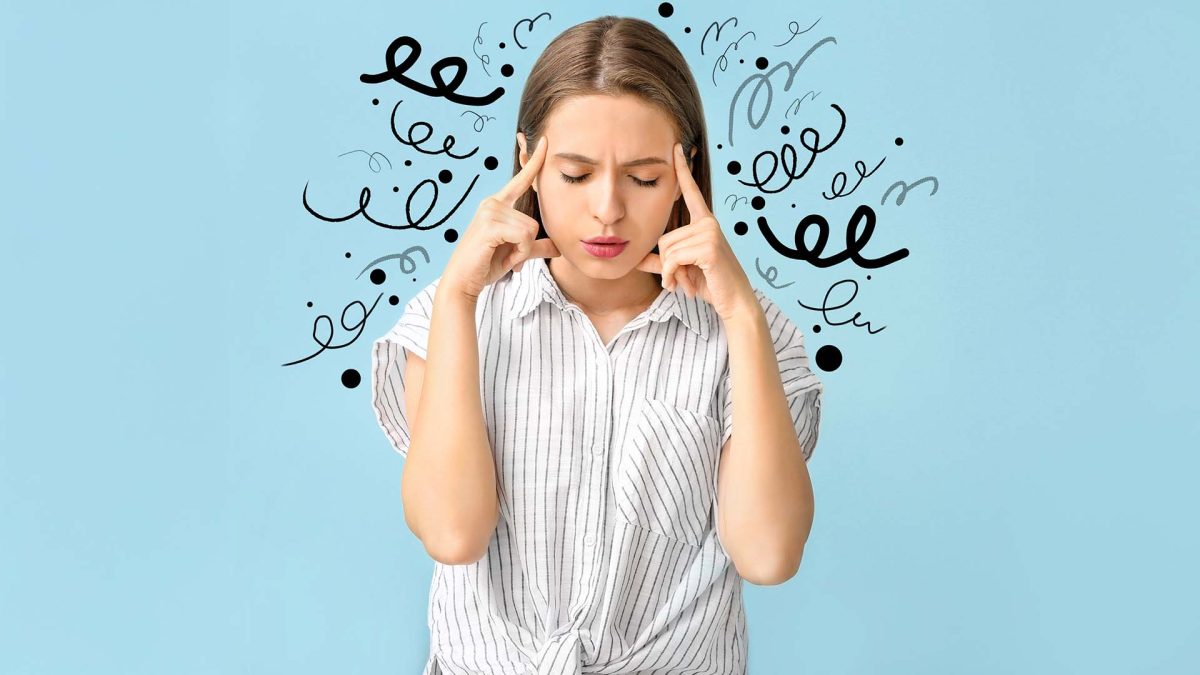
Feeling overwhelmed lately? You're not alone. Stress and anxiety are your body's natural responses to life's challenges, but understanding them can make a world of difference. Think of stress as your body's alarm system – it helps you stay alert and responsive. Anxiety, while similar, is more about anticipating future concerns.
The numbers tell a powerful story. According to recent global statistics, about 301 million people worldwide experience anxiety disorders – that's roughly 4% of the global population (World Health Organization). In the United States alone, over 40 million adults (19.1%) live with anxiety disorders, making it the most common mental health condition (ADAA).
Your mind and body are deeply connected in ways you might not realize. When you're stressed, your body responds physically – your heart beats faster, your muscles tense, and your breathing quickens. This connection explains why managing stress isn't just about mental techniques – it's about taking care of your whole self.
Ready to take control of your stress and anxiety? Understanding these basics is your first step toward better mental wellness. Throughout this guide, we'll explore practical strategies and evidence-based solutions to help you manage both stress and anxiety effectively.
The Science Behind Stress and Anxiety
Your body is incredibly smart when it comes to handling stress. When you face a challenging situation, your brain kicks into action like a well-oiled machine. Think of it as your internal alarm system – always ready to protect you.
During stressful moments, your body releases cortisol and adrenaline. These hormones prepare you for action by increasing your heart rate and sharpening your focus. It's like your body's natural energy boost, getting you ready to tackle whatever comes your way.
According to the Mayo Clinic Health System, over 40 million adults in America deal with anxiety regularly. That's about 19% of the population – you're definitely not alone in this journey.
The difference between normal and chronic stress is like comparing a sprint to a marathon. Short-term stress helps you meet deadlines or handle immediate challenges. But when stress sticks around, it can wear you down. Research from the Better Health Channel shows that chronic stress can lead to persistent anxiety, affecting your daily life and well-being.
During anxiety episodes, your brain's amygdala – the fear center – becomes more active. This triggers a cascade of responses throughout your body. Your muscles tense up, your breathing quickens, and your mind goes into overdrive. Understanding these reactions is the first step in managing them effectively.
The Anxiety and Depression Association of America reports that anxiety disorders are highly treatable, yet only 36.9% of people receive treatment. Knowing how your body responds to stress can help you recognize when to seek support and develop better coping strategies.

Physical Impact of Chronic Stress
Living with ongoing stress isn't just tough on your mind – it takes a real toll on your body too. Your heart works harder when you're stressed, pumping faster and increasing blood pressure. According to the Mayo Clinic, this constant strain can lead to serious heart problems over time.
Your immune system takes a hit too. When stress hangs around too long, your body's natural defenses weaken, making it harder to fight off everything from the common cold to more serious infections. Research from the Better Health Channel shows that chronic stress can trigger inflammation throughout your body, potentially leading to autoimmune conditions.
Sleep often becomes a casualty of chronic stress. You might find yourself tossing and turning at night, or waking up feeling exhausted. This creates a frustrating cycle – poor sleep makes stress worse, and stress makes it harder to sleep. Studies from the Anxiety and Depression Association of America reveal that 70% of adults who report high stress levels experience disrupted sleep patterns.
The digestive system isn't spared either. Stress can cause stomach aches, nausea, and changes in appetite. Many people experience either stress eating or loss of appetite, both of which can impact overall health. Your muscles might feel constantly tense, leading to headaches and body pain.
Long-term exposure to stress hormones can affect your memory and thinking skills. Research shows that prolonged stress may increase your risk of developing cognitive problems later in life. It can also speed up the aging process, affecting everything from your skin to your cellular health.
The good news? Understanding these impacts is your first step toward making positive changes. Your body has an amazing ability to heal when you take steps to manage stress effectively. Simple changes in your daily routine can make a big difference in protecting your health from stress's effects.
Exercise as a Natural Anxiety Reducer
Ready to transform your anxiety into strength? Exercise isn't just about building muscles – it's your natural defense against stress and anxiety. According to the Anxiety and Depression Association of America, just 30 minutes of movement can significantly reduce anxiety symptoms.
Getting your heart pumping releases endorphins, your body's natural mood boosters. These powerful chemicals help wash away tension and create a natural sense of well-being. Think of it as your body's built-in stress management system!
Different exercises work for different people. Walking, swimming, or cycling are great low-impact options to start with. The Mayo Clinic Health System recommends starting with just 10 minutes daily and gradually building up to 30 minutes, five times a week.
Want to maximize your anxiety-busting workout? Try these research-backed activities:
- Yoga: Combines movement with mindful breathing
- Running: Provides a powerful endorphin release
- Group fitness classes: Adds social support to physical activity
- Strength training: Builds both physical and mental resilience
Remember, consistency matters more than intensity. Start where you are, and celebrate each step forward. Your body and mind will thank you for making exercise a regular part of your anxiety management toolkit.
Pro tip: Track your mood before and after exercise. Many people report feeling calmer and more centered just 5 minutes after getting active. This natural anxiety relief can last for hours after your workout ends.

Effective Mindfulness Practices
Ready to find your calm? Mindfulness practices are powerful tools that can help you manage stress and anxiety. Let's explore some proven techniques that you can start using today.
Meditation is your mind's best friend. Start with just 5 minutes of quiet sitting each day. Focus on your breath and let thoughts pass by like clouds. Research from Beyond Blue shows that regular meditation can reduce anxiety symptoms by up to 60%.
Deep breathing is your portable stress reliever. Try the 4-7-8 technique: breathe in for 4 counts, hold for 7, and exhale for 8. According to the Mayo Clinic Health System, this simple practice can activate your body's relaxation response in just minutes.
Yoga combines movement with mindfulness for double the benefits. A gentle flow practice can lower cortisol levels and boost mood-enhancing chemicals. The Better Health Channel reports that consistent yoga practice can reduce anxiety symptoms by up to 40%.
Progressive muscle relaxation helps release physical tension. Start at your toes and work up to your head, tensing each muscle group for 5 seconds before releasing. Studies from the Anxiety and Depression Association of America show this technique can significantly reduce anxiety symptoms when practiced regularly.
Remember, mindfulness is like building a muscle - start small and be consistent. Even 5-10 minutes daily can make a real difference in your stress levels. Choose one technique that resonates with you and make it part of your daily routine.
Sleep Quality and Anxiety Management
Getting good sleep is crucial for managing anxiety. Research shows that poor sleep can make anxiety symptoms worse, creating a challenging cycle that's hard to break. According to the Sleep Foundation, people with anxiety are five times more likely to struggle with sleep problems.
Your bedroom environment plays a key role in sleep quality. Keep your room cool, dark, and quiet. The Mayo Clinic recommends a temperature between 60-67°F (15-19°C) for optimal sleep.
Want better sleep tonight? Try these research-backed strategies:
- Stick to a consistent sleep schedule, even on weekends
- Turn off screens 1 hour before bed
- Create a relaxing bedtime routine
- Avoid caffeine after 2 PM
- Exercise regularly, but not close to bedtime
Worried thoughts keeping you awake? The Anxiety and Depression Association of America suggests keeping a notepad by your bed. Writing down concerns can help clear your mind for sleep. If you can't fall asleep within 20 minutes, get up and do a calming activity until you feel sleepy.
Poor sleep doesn't just affect your mood – it can impact your whole body. Studies from the Better Health Channel show that lack of sleep increases stress hormones, weakens immune function, and makes it harder to cope with daily challenges.
If sleep problems persist for more than a few weeks, don't hesitate to talk to your healthcare provider. They can help identify underlying issues and suggest targeted solutions for better sleep and reduced anxiety.
Treatment Options and Support
Getting help for anxiety isn't a sign of weakness – it's a smart step toward better health. Professional support comes in many forms, and finding the right fit for you is key to managing stress and anxiety effectively.
Therapy stands as a powerful tool in anxiety management. Cognitive Behavioral Therapy (CBT) has shown impressive results, with studies showing up to 60% of patients experiencing significant improvement. A therapist can help you identify triggers and develop personalized coping strategies.
Self-help strategies play a crucial role in daily management. The Anxiety and Depression Association of America recommends starting with simple techniques like journaling, time management, and setting realistic goals. These methods help you take control of your anxiety rather than letting it control you.
Support groups offer unique benefits that individual therapy can't match. According to Better Health Channel, connecting with others who share similar experiences can reduce feelings of isolation and provide practical coping tips. Both online and in-person groups are effective options.
Don't wait to seek medical attention if you experience:
- Panic attacks that interfere with daily life
- Anxiety that prevents you from sleeping
- Physical symptoms like rapid heartbeat or chest pain
- Thoughts of self-harm
Remember, treatment success often comes from combining different approaches. Beyond Blue suggests working with healthcare providers to create a comprehensive treatment plan that might include therapy, lifestyle changes, and possibly medication when appropriate.

Prevention and Long-term Management
Taking control of your mental well-being starts with small, consistent steps. Research from the Mayo Clinic Health System shows that establishing healthy daily routines significantly reduces anxiety symptoms. Start your morning with a 10-minute meditation or gentle stretching to set a positive tone for the day.
Creating boundaries is your secret weapon against stress. Set aside dedicated "worry time" - 15 minutes daily to address concerns, then move forward with your day. According to the Anxiety and Depression Association of America, this structured approach helps prevent anxiety from controlling your schedule.
Build your resilience toolkit with these proven strategies:
- Schedule regular movement breaks every 2 hours
- Practice deep breathing when feeling overwhelmed
- Keep a gratitude journal to shift focus from worries
- Connect with supportive friends weekly
- Maintain consistent sleep and meal times
The Better Health Channel emphasizes the power of healthy routines. Start small by choosing one area to improve, like adding a 20-minute walk after dinner. Once that becomes natural, layer in another positive habit.
Remember, stress management isn't about perfection. Beyond Blue research shows that small, consistent actions create lasting change. Track your progress using a simple mood journal or app. Notice patterns, celebrate wins, and adjust your approach when needed.
Your mental health journey is unique. These tools work best when personalized to fit your life. Start with what feels manageable today, knowing that each small step builds toward lasting resilience.
Sources and Additional Resources
Want to dive deeper into managing stress and anxiety? These trusted organizations offer expert guidance and support. The Mayo Clinic Health System provides comprehensive tips for coping with anxiety disorders, including practical strategies you can start using today.
Looking for more specialized support? The Anxiety and Depression Association of America (ADAA) offers evidence-based tips and resources specifically designed for anxiety management. Their expert-reviewed content can help you understand and tackle your anxiety symptoms effectively.
For a complete overview of treatment options, check out the Better Health Channel's detailed guide on anxiety treatments. They break down various approaches, from lifestyle changes to professional interventions.
Need practical strategies you can implement right away? Beyond Blue provides an excellent collection of anxiety management techniques that have helped countless individuals take control of their anxiety.
Remember, these resources are just starting points. Each organization offers additional tools, support services, and community connections to help you on your journey to better mental health. Don't hesitate to explore them further and find what works best for you.
Conclusion
Taking control of your stress and anxiety starts with small, manageable steps. Remember, you're not alone in this journey - anxiety affects over 301 million people worldwide, according to recent studies. The strategies we've explored, from regular exercise to mindfulness practices, are proven tools in your wellness toolkit.
Your path to better mental health doesn't have to be perfect. Start with one technique that resonates with you, whether it's a daily 10-minute walk or practicing deep breathing exercises. Small victories lead to lasting change.
Ready to take the next step? Consider reaching out to a mental health professional through organizations like the Anxiety and Depression Association of America for personalized guidance. Their website offers free resources and professional directories to help you find the right support.
For immediate support and additional resources, check out Beyond Blue's anxiety management strategies. They offer practical tools and 24/7 support services to help you navigate challenging moments.
Remember, managing stress and anxiety is a journey, not a destination. Be patient with yourself, celebrate your progress, and keep moving forward. Your mental health matters, and taking action today is the first step toward a more balanced tomorrow.