

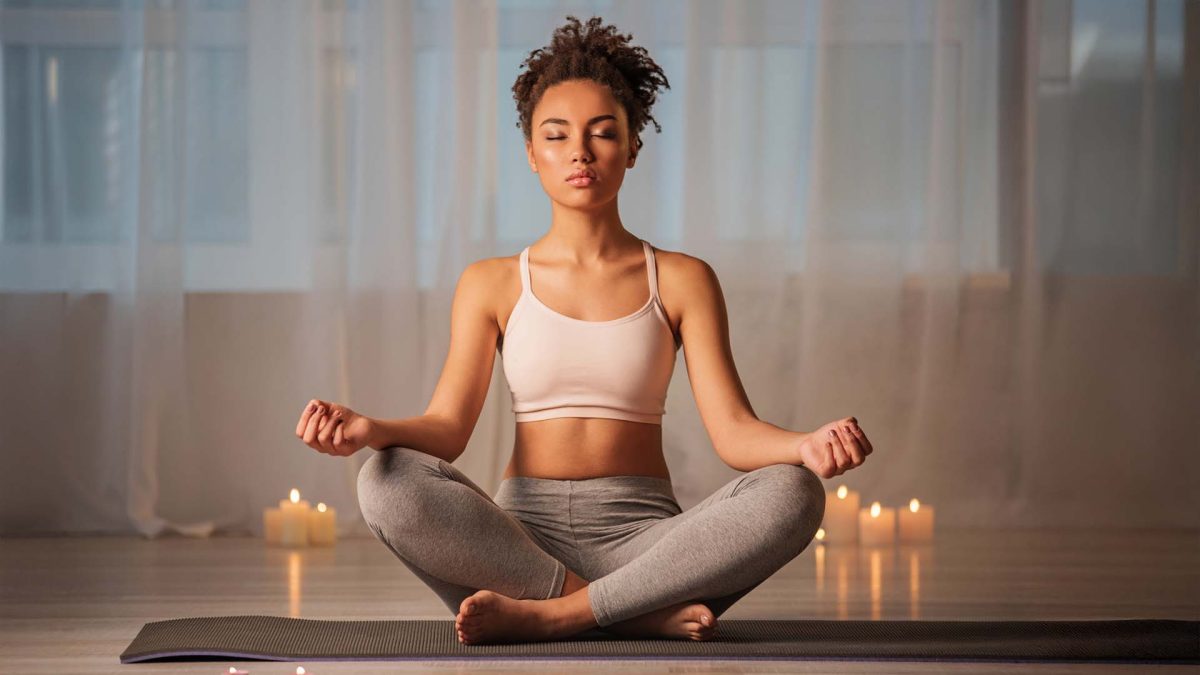
Imagine having a personal coach who helps quiet your busy mind and leads you toward inner peace. That's guided meditation - a practice where an experienced teacher guides you through relaxation and mindfulness exercises, either in person or through digital means.
The popularity of meditation has skyrocketed, with 18.3% of US adults now embracing this practice. That's about 60.5 million Americans finding moments of calm in their hectic lives. This surge isn't just a trend - it's a response to our increasingly stressful world.
People are turning to guided meditation for various reasons. According to recent studies, 76.2% practice for general wellness, while 60% seek increased energy. The practice has evolved from its ancient roots to meet modern needs, offering solutions for anxiety, stress, and even memory improvement.
What makes guided meditation special is its accessibility. Whether you're a busy professional, a student, or someone looking to enhance your well-being, there's a guided practice that fits your lifestyle. The beauty lies in its simplicity - all you need is a quiet space and a willingness to begin.
Research shows that guided meditation can be as effective as traditional therapies for managing anxiety and depression. It's like having a mental health toolkit in your pocket, ready whenever you need it.
Ready to start your journey? The world of guided meditation awaits, offering a path to better mental health, improved focus, and deeper self-awareness. Let's explore how this ancient practice is transforming lives in our modern world.
The Science Behind Guided Meditation
Your brain changes when you meditate regularly. Research shows that guided meditation can actually reshape your brain's structure, leading to better emotional control and reduced stress. During meditation, your brain waves shift from beta (active thinking) to alpha and theta states, promoting deep relaxation.
Studies from the National Center for Complementary and Integrative Health reveal that meditation matches the effectiveness of traditional treatments like cognitive behavioral therapy. Brain scans show increased activity in areas linked to focus and emotional regulation. The amygdala, your brain's stress center, actually shrinks with regular practice.
The science is clear on mental health benefits. Regular meditation reduces anxiety symptoms as effectively as medication in many cases. A groundbreaking study in Nature found that 76.2% of practitioners report improved overall wellness. The practice also boosts memory and concentration for 50% of users.
Your body responds physically too. Blood pressure drops, cortisol levels decrease, and inflammation markers improve. Research shows that just 8 weeks of regular practice can create measurable changes in brain structure. These changes stick around even when you're not meditating.
Think of guided meditation as a mental workout. Just like exercise builds muscle, meditation strengthens your brain's ability to stay calm and focused. The best part? You can start seeing benefits in just a few sessions, though lasting changes come with regular practice.
Remember, while meditation is powerful, it's not a replacement for professional help when needed. About 8% of people report some challenges during practice, so always listen to your body and adjust accordingly.

Popular Types of Guided Meditation
Mindfulness meditation helps you stay present and focused on your breath. During these sessions, a guide helps you observe your thoughts without judgment. This practice has shown remarkable results, with 76.2% of practitioners reporting improved overall wellness according to Nature's recent study.
Body scan meditation takes you on a mental journey through your body. Your guide directs your attention from head to toe, helping you release tension and increase body awareness. This technique is particularly effective for stress relief, with DreamMaker's research showing that regular practitioners report better sleep quality and reduced physical tension.
Loving-kindness meditation cultivates compassion for yourself and others. Your guide leads you through visualizations and affirmations that promote positive emotions. Studies from the National Center for Complementary and Integrative Health show this practice can significantly reduce symptoms of anxiety and depression.
Visualization meditation uses guided imagery to create peaceful mental scenarios. Your guide helps you imagine calming environments or successful outcomes. This technique is especially popular among athletes and professionals, with FinancesOnline reporting that 60% of practitioners use it to boost energy and performance.
Each type offers unique benefits, and you can explore different styles to find what works best for you. Remember, there's no one-size-fits-all approach to meditation. The key is finding a practice that resonates with your personal goals and comfort level.
Benefits and Potential Results
Ready to discover what guided meditation can do for you? The results might surprise you! Research shows that this simple practice packs a powerful punch for your overall wellbeing.
Let's start with stress - the big one that affects so many of us. A whopping 92% of people who try mindfulness meditation report feeling less stressed. That's huge! Think about it - just a few minutes of guided practice could help you feel calmer and more centered.
But that's not all. Nearly 30% of meditation practitioners use it specifically for anxiety management. If racing thoughts keep you up at night or worry clouds your day, guided meditation might be your new best friend. It's like having a personal calm button you can press whenever you need it.
Want to boost your brain power? You're in good company. About 50% of meditation users report improved memory and concentration. Imagine being able to focus better at work or remember where you put those keys!
The benefits don't stop at mental wellness. Studies show that regular meditation can:
- Boost your energy levels (60% of users report this benefit)
- Improve your sleep quality
- Help manage chronic pain
- Support better emotional regulation
Here's what makes guided meditation special - it's accessible to everyone. Whether you're a busy parent, a stressed student, or someone looking to enhance their wellbeing, you can start seeing benefits with just a few minutes a day.

Getting Started with Guided Meditation
Ready to begin your meditation journey? Let's make it simple and enjoyable! Start with just 5 minutes a day - that's all you need to plant the seeds of a transformative practice.
First, pick a quiet spot where you won't be disturbed. This could be a corner of your bedroom or a peaceful spot in your garden. Make it cozy with a comfortable cushion or chair.
Popular apps like Headspace and Calm offer fantastic beginner-friendly sessions. These apps provide structured guidance and track your progress, making it easier to build a consistent routine. According to Nature's research, 76.2% of meditation users start for general wellness - so you're in good company!
Here's a simple routine to follow:
- Set a specific time each day
- Start with guided sessions under 10 minutes
- Focus on your breath when your mind wanders
- Be patient with yourself - every session is progress
Remember to wear comfortable clothes and find a position that feels natural. You can sit in a chair, cross-legged on the floor, or even lie down - whatever works best for you.
Not sure when to meditate? Many beginners find success with morning sessions. According to DreamMaker's research, morning meditation helps set a positive tone for the day and increases the likelihood of maintaining the habit.
Don't worry about "doing it right." Every person's journey is unique, and the key is consistency, not perfection. If you miss a day, simply start again tomorrow. Your mind will naturally become calmer and more focused with regular practice.
Common Challenges and Solutions
Starting a guided meditation practice isn't always smooth sailing, but don't worry – every challenge has a solution! Let's tackle the most common hurdles you might face.
Finding Time
Can't seem to squeeze meditation into your busy schedule? Start with just 5 minutes each morning. Wake up a few minutes earlier or meditate during your lunch break. Remember, consistency matters more than duration. Try attaching your practice to an existing habit, like having your morning coffee.
Wandering Mind
Your mind keeps drifting? That's totally normal! In fact, research shows that 47% of meditation practitioners experience this challenge. When thoughts wander, gently guide your attention back to your breath or the guide's voice. Each time you do this, you're actually building mental strength.
Restlessness and Fidgeting
Physical discomfort making you squirm? Start in a comfortable chair instead of forcing yourself to sit cross-legged. Move if you need to – meditation doesn't require perfect stillness. Try shorter sessions until your body adjusts to sitting quietly.
Managing Expectations
Feeling frustrated by a lack of instant results? Remember that meditation is a skill that develops over time. Focus on small wins – like feeling calmer for just a few moments. According to NCCIH research, regular practitioners see benefits within 8 weeks.
Sleepiness During Sessions
Dozing off during practice? Try meditating when you're naturally more alert, like mid-morning. Sit up straight rather than lying down, and ensure your space has good airflow. If needed, open your eyes slightly while maintaining soft focus.
Remember, these challenges are part of the journey. Each time you overcome them, you're building valuable skills that extend beyond your meditation practice. Keep showing up, and you'll find your rhythm!
Safety Considerations When Practicing Guided Meditation
Starting guided meditation can be a wonderful journey, but it's important to practice safely. While meditation is generally safe for most people, being aware of potential challenges helps you make informed decisions about your practice.
Understanding the Risks
Research shows about 8% of meditation practitioners experience some unwanted effects. These may include temporary anxiety, restlessness, or emotional sensitivity. Think of it like starting a new exercise routine – some initial discomfort is normal as you adjust.
When to Be Extra Careful
Pay special attention if you have:
- A history of trauma
- Severe anxiety
- Clinical depression
- Recent major life changes
In these cases, start slowly and consider working with a qualified meditation teacher or mental health professional.
Signs to Pause Your Practice
Stop meditating and seek help if you experience:
- Increased anxiety that doesn't fade
- Persistent negative thoughts
- Unusual physical sensations
- Strong emotional reactions
Making Your Practice Safer
Follow these simple guidelines:
- Start with short sessions (5-10 minutes)
- Practice at a consistent time each day
- Choose a quiet, safe environment
- Listen to your body's signals
- Use reputable meditation apps or guides
Remember, it's perfectly okay to open your eyes or stop a session if you feel uncomfortable. Your well-being comes first.
Conclusion
Ready to transform your daily routine with guided meditation? You're joining millions of Americans who've discovered this powerful practice. The numbers speak for themselves - with 60.53 million US adults now meditating regularly, you're in great company on this journey to better well-being.
Remember, guided meditation isn't just about sitting quietly. It's a science-backed tool that can help you manage stress, boost focus, and improve your overall quality of life. Whether you're dealing with anxiety, looking to enhance your concentration, or simply seeking a moment of peace, guided meditation offers a path forward.
Want to learn more? Check out these trusted resources:
- National Center for Complementary and Integrative Health for evidence-based research
- Nature's comprehensive study on meditation trends
- FinancesOnline's meditation statistics for the latest data
Start small - even five minutes daily can make a difference. Your journey to inner peace and better mental health begins with a single breath. Ready to take that first step?
Take action now: Choose a quiet spot, download a meditation app, or find a local meditation group. Your future self will thank you for starting today.


