Table of contents
- Introduction
- Nutritional Profiles
- Weight Management and Body Composition
- Cardiovascular Health
- Digestive Health and Gut Microbiome
- Environmental Impact
- Ethical Considerations
- Practical Aspects
- Health Risks and Benefits
- Suitability for Different Lifestyles
- Social and Cultural Implications
- Future Trends and Research
- Conclusion
Introduction
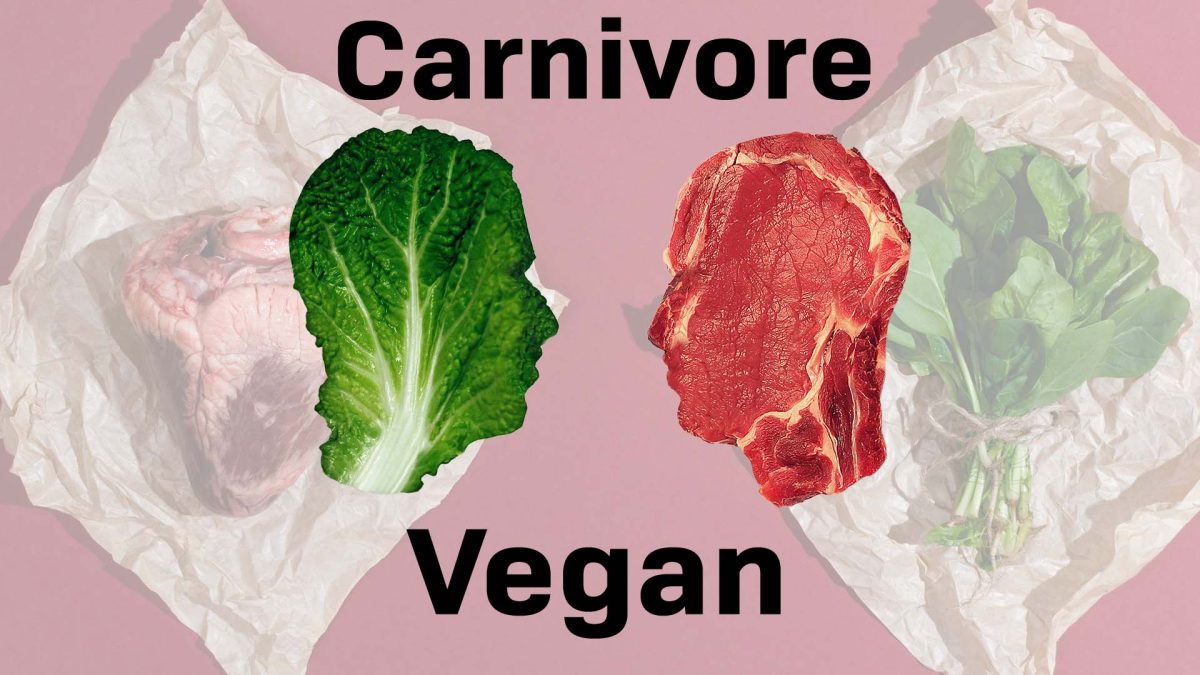
Welcome to the ultimate showdown: carnivore vs vegan diets! These two eating styles couldn't be more different, yet both have passionate followers. The carnivore diet is all about animal products, while vegans stick to plant-based foods only. Both diets have gained popularity recently, sparking heated debates about health, ethics, and sustainability.
Why compare these polar opposites? Well, more people are questioning traditional eating habits and looking for alternatives. Some swear by the carnivore diet's simplicity and potential health benefits. Others champion veganism for its ethical stance and environmental impact. But which one is truly better?
In this article, we'll dive deep into the pros and cons of each diet. We'll look at nutrition, weight management, health impacts, and more. Our goal? To give you a clear, unbiased comparison of these two dietary extremes. Whether you're considering a change or just curious, we've got you covered.
Remember, there's no one-size-fits-all approach to eating. What works for one person might not work for another. So, let's explore these diets with an open mind and see what we discover!
Nutritional Profiles
When it comes to nutrition, carnivore and vegan diets are worlds apart. Let's dive into the key differences and what they mean for your health.
Carnivore diets are rich in protein and fat. They provide abundant B12, iron, and zinc. These nutrients are crucial for energy, brain function, and immunity. However, this diet lacks fiber and many plant-based nutrients.
On the flip side, vegan diets shine in fiber, vitamins C and E, and antioxidants. They're packed with phytonutrients that support overall health. But vegans need to watch their B12, iron, and omega-3 intake.
A study from the European Prospective Investigation into Cancer and Nutrition–Oxford reveals some striking contrasts. Vegans had the lowest intakes of vitamins B2, B12, and D. Meat eaters topped the charts for these nutrients. However, vegans led in polyunsaturated fats, fiber, vitamin C, E, folate, magnesium, iron, and copper.
These differences can impact your health in various ways. Carnivore dieters might risk nutrient deficiencies from lack of plant foods. Vegans need to ensure they're getting enough B12, iron, and calcium.
Both diets can be nutritionally complete with proper planning. Carnivore dieters should consider adding organ meats for more nutrients. Vegans can benefit from fortified foods and supplements to fill nutritional gaps.
Remember, there's no one-size-fits-all approach. Your body's needs are unique. Listen to your body and consult a nutritionist to find the best balance for you.

Weight Management and Body Composition
When it comes to weight management, both carnivore and vegan diets can be effective, but they work in different ways. Let's dive into how each diet impacts weight loss and body composition.
Carnivore diets, being high in protein and fat, can lead to rapid initial weight loss. This is partly due to water loss as the body depletes glycogen stores. The high protein content helps preserve muscle mass during weight loss, which is crucial for maintaining a healthy metabolism. Many carnivore dieters report feeling fuller for longer, which can naturally reduce calorie intake.
On the flip side, vegan diets are typically lower in calories and higher in fiber. This combination can create a feeling of fullness with fewer calories consumed. Plant-based foods are often less calorie-dense than animal products, making it easier to maintain a calorie deficit. However, vegans need to be mindful of getting enough protein to support muscle maintenance during weight loss.
When comparing satiety levels, both diets can be satisfying but for different reasons. Carnivore diets rely on the satiating effects of protein and fat, while vegan diets benefit from the volume and fiber content of plant foods. A study published in the journal Nutrients found that high-protein diets, which can include carnivore diets, led to greater feelings of fullness compared to standard protein diets.
Long-term sustainability is a key factor in weight management. While carnivore diets may lead to quick initial results, they can be challenging to maintain due to their restrictive nature. Vegan diets offer more variety and may be easier to stick with over time, but require careful planning to ensure nutritional adequacy.
It's important to note that individual responses to these diets can vary greatly. Factors like genetics, lifestyle, and personal preferences play a significant role in determining which approach is more effective for weight management and body composition.
Remember, the most effective diet for weight management is one that you can stick to in the long run. Whether you choose a carnivore or vegan approach, consistency and balanced nutrition are key to achieving and maintaining a healthy weight and body composition.
Cardiovascular Health
Your heart health matters, and your diet plays a crucial role. Let's explore how carnivore and vegan diets impact your cardiovascular system.
Carnivore diets, rich in animal products, can raise cholesterol levels. This increase may boost your risk of heart disease. However, some studies suggest that the type of cholesterol matters more than the total amount.
On the flip side, vegan diets often lead to lower blood pressure. Plant-based eating is linked to a reduced risk of heart disease. Vegans typically consume less saturated fat and more fiber, both beneficial for heart health.
Long-term, vegan diets show promising results for cardiovascular health. A study found that vegans had a 22% lower risk of heart disease compared to meat-eaters. However, it's crucial to ensure adequate B12 intake, as deficiency can increase heart disease risk.
Carnivore diets may improve some heart health markers in the short term. Some people report lower inflammation levels. Yet, long-term effects remain unclear due to limited research.
Both diets can impact your heart differently. The key is finding what works best for your body and lifestyle. Always consult a healthcare professional before making significant dietary changes.
Remember, your overall health isn't just about diet. Regular exercise, stress management, and good sleep also play vital roles in heart health. Keep listening to your body and make choices that make you feel your best.

Digestive Health and Gut Microbiome
Your gut health plays a crucial role in your overall well-being. Let's explore how carnivore and vegan diets impact your digestive system and gut microbiome.
Carnivore diets, high in animal protein and fat, can affect your digestion in unique ways. Some people report improved digestion and reduced bloating when switching to a carnivore diet. This may be due to the elimination of hard-to-digest plant foods. However, the lack of fiber in carnivore diets can lead to constipation for some individuals.
On the flip side, vegan diets are typically rich in fiber from fruits, vegetables, and whole grains. This abundance of fiber can promote regular bowel movements and feed beneficial gut bacteria. A diverse plant-based diet may lead to a more varied gut microbiome, which is often associated with better health outcomes.
When it comes to gut health, fiber is a key player. Vegan diets naturally provide more fiber than carnivore diets. This extra fiber can help prevent constipation, lower cholesterol levels, and regulate blood sugar. It also serves as food for your gut bacteria, promoting a healthy microbiome.
However, it's important to note that suddenly increasing fiber intake can cause digestive discomfort for some people. If you're transitioning to a vegan diet, it's best to gradually increase your fiber intake to allow your digestive system to adjust.
Both diets can impact your gut microbiome differently. The carnivore diet may reduce the diversity of gut bacteria due to the lack of plant-based foods. In contrast, a varied vegan diet can promote a more diverse microbiome, which is generally considered beneficial for overall health.
Remember, everyone's digestive system is unique. What works for one person may not work for another. It's essential to listen to your body and consult with a healthcare professional if you experience persistent digestive issues on either diet.
Environmental Impact
When it comes to the environment, vegan and carnivore diets have starkly different impacts. Let's dive into the key differences.
Carnivore diets have a significantly larger carbon footprint. Raising animals for food requires vast amounts of land, water, and feed. This process generates substantial greenhouse gas emissions. Cattle, in particular, are major methane producers. Methane is a potent greenhouse gas, far more powerful than carbon dioxide in trapping heat.
In contrast, vegan diets are much more environmentally friendly. Plant-based foods generally require less land, water, and energy to produce. This results in lower greenhouse gas emissions. A study by the University of Oxford found that cutting meat and dairy products from your diet could reduce an individual's carbon footprint from food by up to 73%.
Water usage is another crucial factor. Animal agriculture is water-intensive. It takes about 15,000 liters of water to produce 1 kg of beef. On the other hand, producing 1 kg of vegetables requires only about 322 liters. This massive difference in water consumption has significant implications for water scarcity issues worldwide.
Land use is also a critical consideration. Livestock farming is a leading cause of deforestation. Vast areas of forest are cleared for grazing or to grow animal feed. Vegan diets require much less land. If everyone switched to a plant-based diet, global farmland use could be reduced by 75%, an area equivalent to the size of the US, China, EU, and Australia combined.
However, it's important to note that not all plant-based foods are equally sustainable. Some vegan staples, like almonds and avocados, can be water-intensive to produce. Additionally, the transportation and processing of plant-based foods can still have environmental impacts.
In conclusion, while both diets have environmental impacts, vegan diets generally have a much lower environmental footprint. They use fewer resources, produce less pollution, and contribute less to climate change. As we face growing environmental challenges, considering the impact of our food choices becomes increasingly important.

Ethical Considerations
The carnivore and vegan diets stand at opposite ends of the ethical spectrum when it comes to animal welfare. Let's explore the moral implications of both dietary choices.
Carnivore diets raise significant animal welfare concerns. The meat industry often involves intensive farming practices that can cause animal suffering. Factory farms, where animals are kept in cramped conditions, are a particular point of contention. Critics argue that these practices prioritize efficiency over animal well-being.
On the other hand, vegan diets aim to eliminate all forms of animal exploitation. Vegans choose to avoid not just meat, but also dairy, eggs, and other animal-derived products. This stance is rooted in the belief that animals have the right to live free from human exploitation.
The ethical debate extends beyond just animal welfare. Some argue that carnivore diets support traditional farming practices and local economies. However, others point out that large-scale meat production can have negative impacts on rural communities and workers' rights.
Vegan diets are often seen as more environmentally friendly, which some consider an ethical choice in itself. By reducing demand for animal products, veganism aims to decrease the environmental impact of food production.
It's important to note that ethical considerations aren't always black and white. Some people choose to consume only ethically-sourced animal products, while others may follow a plant-based diet for health reasons rather than ethical ones.
Ultimately, the ethical implications of diet choices are deeply personal. They often reflect individual values, cultural backgrounds, and personal experiences. What's clear is that both carnivore and vegan diets prompt important discussions about our relationship with animals and the planet.
Source: Stanford Encyclopedia of Philosophy - The Moral Status of Animals
As we continue to grapple with these ethical questions, it's likely that future food production methods and dietary trends will be shaped by these ongoing debates.
Practical Aspects
Meal planning for carnivore and vegan diets differs greatly. Let's dive into the practicalities of each approach.
Carnivore meal prep is straightforward. Focus on high-quality meats like grass-fed beef, wild-caught fish, and free-range poultry. Simplicity is key. A typical day might include eggs for breakfast, steak for lunch, and salmon for dinner. Batch cooking can save time. Grill several steaks or roast a whole chicken for easy meals throughout the week.
Vegan meal planning requires more creativity. Build meals around plant proteins like beans, lentils, tofu, and tempeh. A balanced day could start with oatmeal topped with nuts and berries, followed by a chickpea salad for lunch, and a lentil curry for dinner. Meal prep is crucial. Cook grains and legumes in bulk, chop veggies in advance, and prepare sauces for quick assembly.
Nutritional considerations vary. Carnivore dieters must ensure adequate fat intake for energy. Organ meats can provide essential nutrients. Vegans need to focus on vitamin B12, iron, and omega-3 fatty acids. Fortified foods and supplements may be necessary.
Cost-wise, both diets can be expensive or budget-friendly. High-quality meats for carnivore diets can be pricey. However, organ meats are often cheaper. Vegan staples like rice and beans are affordable, but specialty vegan products can add up. Both diets can be economical with smart shopping and home cooking.
Accessibility differs. Carnivore ingredients are widely available but may require sourcing from specialty butchers for variety. Vegan options have become more accessible in recent years, with plant-based alternatives in most grocery stores. However, rural areas may have limited choices.
Eating out presents challenges for both diets. Carnivore dieters may find limited options beyond steakhouses. Vegans have more choices in urban areas but may struggle in traditional restaurants. Both groups benefit from planning ahead and communicating dietary needs.
Remember, both diets require commitment and planning. The key is finding an approach that aligns with your health goals, lifestyle, and values. Always consult a healthcare professional before making significant dietary changes.
Health Risks and Benefits
Carnivore and vegan diets offer distinct health impacts. Let's explore the potential risks and benefits of each.
Carnivore diets may increase heart disease risk. High saturated fat intake can raise cholesterol levels. This diet's lack of fiber may lead to digestive issues. However, it provides ample protein and essential nutrients like vitamin B12.
Vegan diets shine in cardiovascular health. They're linked to lower blood pressure and cholesterol. Plant-based eating may reduce type 2 diabetes risk. But vegans must watch their B12, iron, and calcium intake.
Long-term, vegan diets show promise. They're associated with lower risks of heart disease and certain cancers. A study found vegans had a 15% lower risk of cancer compared to meat-eaters. However, vegans may face a higher risk of bone fractures due to lower calcium intake.
Carnivore diets lack long-term research. Short-term studies show potential benefits for weight loss and blood sugar control. But the long-term effects remain unclear.
Both diets can impact mental health. Carnivore diets may stabilize blood sugar, potentially improving mood. Vegan diets rich in fruits and vegetables provide antioxidants that support brain health.
Ultimately, both diets have pros and cons. The key is finding a balanced approach that works for you.

Suitability for Different Lifestyles
Choosing between a carnivore or vegan diet isn't just about nutrition. It's about finding what works for your lifestyle. Let's explore how these diets fit different life stages and activity levels.
For athletes, both diets can fuel performance, but in different ways. The carnivore diet provides plenty of protein for muscle building and recovery. It's high in creatine, which can boost strength and power. However, some athletes might miss the carbs for quick energy.
Vegan athletes, on the other hand, can thrive on plant-based proteins and complex carbs. They often report improved recovery times and reduced inflammation. But they need to plan carefully to meet their protein needs.
During pregnancy, a well-planned vegan diet can be safe and healthy. It provides fiber, folate, and antioxidants. But extra attention is needed for iron, B12, and omega-3s. The carnivore diet, while protein-rich, may lack essential nutrients for fetal development.
For children, both diets require careful planning. Vegan diets can support healthy growth but need supplements for B12 and sometimes iron. Carnivore diets might lack fiber and certain vitamins crucial for development.
Elderly individuals on a vegan diet may benefit from its anti-inflammatory properties. It could help manage chronic conditions. The carnivore diet might appeal to seniors struggling with digestive issues, as it's low in fiber.
Ultimately, both diets can be adapted to various lifestyles. The key is careful planning and listening to your body's needs. Always consult a healthcare provider before making major dietary changes, especially during sensitive life stages.
Social and Cultural Implications
Meat consumption and veganism carry significant social and cultural weight. Let's explore how these diets shape our social interactions and cultural norms.
Meat has long been a centerpiece in many cultures. It's often associated with celebrations, traditions, and social gatherings. In some societies, the ability to provide meat is seen as a sign of prosperity and hospitality. However, this cultural significance can create challenges for those choosing to abstain from meat.
On the flip side, veganism is gaining traction globally. More restaurants now offer vegan options, and plant-based products are becoming mainstream. This shift reflects a growing awareness of health, environmental, and ethical concerns related to animal products.
Both diets can impact social dynamics. Carnivore dieters might face questions about health risks, while vegans may encounter skepticism about nutrient adequacy. Family gatherings and social events can become tricky to navigate for both groups.
Support systems play a crucial role. Online communities and local meetups provide valuable resources and connections for both carnivore and vegan dieters. These networks offer recipe ideas, encouragement, and a sense of belonging.
Workplace environments are also adapting. Many companies now cater to diverse dietary needs at company events. This inclusivity helps normalize different eating patterns and fosters a more accepting atmosphere.
Education and awareness are key to bridging the gap between these dietary choices. As understanding grows, so does tolerance for different lifestyle choices. This shift is slowly reshaping our cultural norms around food and nutrition.
Ultimately, both carnivore and vegan diets challenge traditional food cultures. They prompt important conversations about health, ethics, and sustainability. As society evolves, so too will our attitudes towards these dietary choices.
Future Trends and Research
The debate between carnivore and vegan diets continues to evolve. New research is shedding light on both eating patterns, offering exciting insights for health-conscious individuals. Let's explore what the future might hold for these contrasting dietary approaches.
Carnivore diet research is gaining momentum. Scientists are investigating its potential benefits for autoimmune conditions and mental health. Early studies suggest possible improvements in inflammation markers and mood disorders. However, long-term effects remain unclear.
On the vegan front, plant-based meat alternatives are becoming more sophisticated. These products aim to replicate the taste and texture of meat while offering nutritional benefits. Researchers are working on enhancing their protein quality and micronutrient content.
Personalized nutrition is a growing trend that could impact both diets. Genetic testing and microbiome analysis may help individuals tailor their food choices for optimal health. This approach could bridge the gap between extreme dietary patterns.
Sustainable food production is a key focus for future research. Scientists are exploring lab-grown meat as a potential solution for ethical carnivores. Meanwhile, vertical farming and hydroponics could revolutionize plant-based agriculture, making vegan diets more accessible and environmentally friendly.
Gut health remains a hot topic. Researchers are investigating how different diets affect the microbiome. This could lead to more targeted dietary recommendations for both carnivore and vegan eaters.
As we look ahead, it's clear that nutrition science is rapidly evolving. Both carnivore and vegan diets will likely undergo refinements based on new findings. The key is to stay informed and open-minded about emerging research.
Remember, what works best for you may change over time. Keep listening to your body and consult with healthcare professionals to make informed dietary choices.
Conclusion
Choosing between a carnivore and vegan diet isn't a one-size-fits-all decision. Both diets have unique benefits and challenges. Carnivore diets offer high protein and certain nutrients, while vegan diets excel in fiber and plant-based compounds. Your health goals, ethical beliefs, and lifestyle should guide your choice.
Remember, what works for one person may not work for another. Listen to your body and consult with a healthcare professional before making drastic dietary changes. The key is finding a sustainable eating pattern that nourishes your body and aligns with your values.
As research continues, we may gain more insights into the long-term effects of these diets. Stay informed and be open to adjusting your approach as new information emerges. Ultimately, the best diet is one you can stick to that supports your overall health and well-being.
Looking ahead, we might see more personalized nutrition approaches that combine elements from different diets. The future of eating could involve tailored meal plans based on individual genetics, lifestyle, and health goals. Whatever path you choose, focus on whole, nutrient-dense foods and listen to your body's needs.