

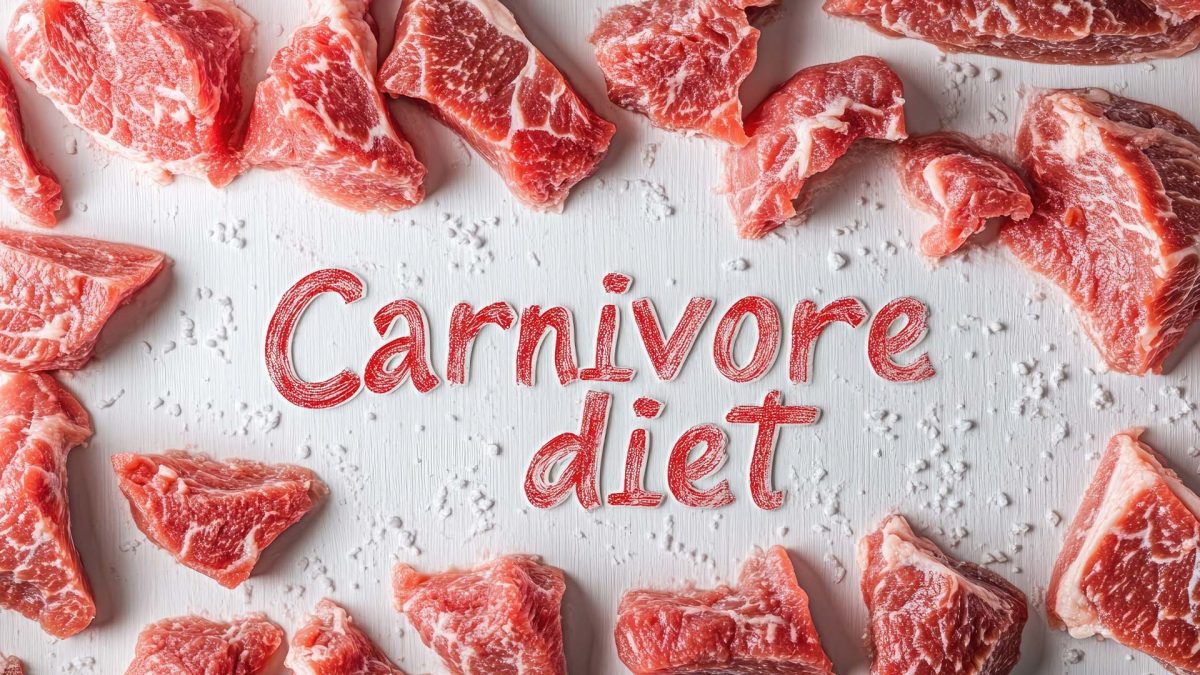
Ready to explore the world of all-meat eating? The carnivore diet has sparked intense debate in the nutrition community. This eating plan eliminates all foods except meat, fish, and animal products. While some swear by its benefits, health experts have raised serious concerns about its safety.
Recent studies from Harvard School of Public Health show that this restrictive approach can lead to significant health risks. The diet's popularity has surged on social media, with influencers promoting it as a solution for everything from weight loss to autoimmune conditions.
But here's what you need to know: according to BSW Health, following an all-meat diet can impact your health in ways you might not expect. Research published in PubMed indicates that while some people report short-term benefits, the long-term safety remains questionable.
Let's dive into the evidence and expert opinions to help you make an informed decision about this controversial eating pattern. Whether you're curious about trying it or just want to understand the facts, we'll explore what science really says about the carnivore diet's safety.
Understanding the Carnivore Diet
The carnivore diet is a strict eating plan that includes only animal products. Think meat, fish, eggs, and some dairy - that's it! According to Harvard School of Public Health, this diet completely eliminates all plant-based foods, including fruits, vegetables, grains, and legumes.
This eating approach isn't new - some traditional societies, like certain Arctic communities, have historically consumed mostly animal products due to their environment. However, its recent surge in popularity comes from modern advocates claiming benefits like weight loss and improved mental clarity, as reported by Healthline.
The basic rules are straightforward: if it comes from an animal, you can eat it. BSW Health notes that typical foods include beef, pork, chicken, fish, eggs, and some dairy products. Some followers take an even stricter approach, limiting themselves to just beef and water.
Social media has played a huge role in its current popularity. According to WTOP News, influencers and certain health personalities have promoted this diet as a solution for various health issues. However, it's worth noting that most of these claims aren't backed by scientific research.
The diet's core principle is based on the belief that human ancestors thrived on meat-heavy diets. Supporters argue that modern health issues stem from plant-based foods and processed products. A recent survey published in PubMed shows that most followers adopt this diet seeking solutions for chronic health conditions or weight management.

Potential Health Risks
Let's talk about what following a meat-only diet might mean for your health. Research shows several important concerns you should know about.
Your heart health could be significantly impacted by this diet. According to Harvard School of Public Health, the high amounts of saturated fat and cholesterol from animal products can raise your bad cholesterol levels. This puts you at a higher risk for heart disease and stroke.
Missing out on plant foods creates some serious nutritional gaps. Healthline reports that you'll likely become deficient in essential nutrients like vitamin C, fiber, and antioxidants. Think of these as your body's natural defense system – without them, you're more vulnerable to various health issues.
Your organs might struggle too. According to BSW Health, eating large amounts of protein puts extra stress on your kidneys. This is especially concerning if you already have kidney problems. Your liver also has to work overtime to process all that protein.
Cancer risk is another serious concern. Studies referenced by WTOP News show that high consumption of red and processed meats is linked to an increased risk of colorectal cancer. The complete absence of fiber from your diet makes this risk even higher.
Your gut health takes a hit too. Without fiber from plants, you're likely to experience digestive issues like constipation. The lack of diverse nutrients also affects your gut microbiome, which plays a crucial role in your overall health and immune system.
Remember, these aren't just short-term concerns – they can develop into serious health problems over time. If you're thinking about trying this diet, talk to your healthcare provider first to understand how it might affect your personal health situation.
Impact on Digestive Health
Your digestive system faces significant changes when switching to an all-meat diet. Without fiber from plant foods, your gut bacteria undergo dramatic shifts that can affect your overall health. According to research from Harvard School of Public Health, these changes may increase your risk of digestive problems and colon cancer.
The lack of fiber can lead to constipation and irregular bowel movements. Your body needs fiber to maintain healthy digestion and keep things moving smoothly. Studies published on Healthline show that fiber also feeds beneficial gut bacteria, which play crucial roles in your immune system and mental health.
While your body can adapt to digesting only meat, this adaptation comes with risks. BSW Health reports that the high protein content can be challenging for your digestive system to process. You might experience initial symptoms like diarrhea, nausea, or bloating during the adjustment period.
The long-term effects on digestive health are concerning. Without diverse plant foods, your gut microbiome becomes less varied. Research shows that a diverse gut microbiome is essential for optimal health and disease prevention. A study referenced by WTOP News suggests that limited dietary diversity may increase inflammation and compromise your gut barrier function.
Remember, your digestive system thrives on variety. While meat provides important nutrients, it shouldn't come at the expense of other essential food groups that support digestive health.

Scientific Evidence and Research
The scientific community has significant concerns about the carnivore diet's safety and effectiveness. Current research shows mixed results, with most experts advising against this extreme eating pattern. A comprehensive review published in Current Opinion in Clinical Nutrition and Metabolic Care highlights the lack of long-term studies on the diet's safety.
Leading health organizations, including the Harvard School of Public Health, warn about potential health risks. Their research indicates that eliminating plant foods can increase your risk of various diseases. The evidence supporting traditional balanced diets remains much stronger than any data backing the carnivore diet.
Clinical studies on the carnivore diet are limited and mostly short-term. According to Healthline, the few available studies show concerning trends in cardiovascular health markers. High levels of saturated fat intake consistently correlate with increased heart disease risk.
Medical professionals at BSW Health emphasize that the diet lacks scientific validation for its claimed benefits. While some people report positive results, these accounts don't replace controlled clinical trials. The medical consensus suggests that the potential risks outweigh any temporary benefits.
Recent research published in WTOP News reveals that the diet's extreme nature makes it difficult to study long-term effects. Scientists struggle to find participants willing to maintain this restrictive eating pattern for extended periods. This limitation creates significant gaps in our understanding of the diet's safety.
Self-Reported Benefits vs. Scientific Data
Let's dive into what people say about the carnivore diet versus what science tells us. Many followers share impressive success stories, but it's crucial to look at the bigger picture.
Some people report significant weight loss on the carnivore diet. According to a survey published in Current Developments in Nutrition, participants mentioned dropping pounds quickly. However, researchers note this weight loss might be temporary and mostly water weight.
Mood improvements are another common claim. Some followers say they feel more energetic and mentally sharp. Yet, Harvard School of Public Health experts warn these effects could be short-lived and potentially harmful in the long run.
The challenge? Most success stories come from social media and personal blogs rather than scientific research. Healthline points out that no long-term studies support these claimed benefits. What works for one person might not work for another.
Think of these testimonials like restaurant reviews - they're personal experiences, not scientific evidence. According to BSW Health, many reported benefits might actually come from eliminating processed foods rather than the diet itself.
Remember, your body's response to any diet is unique. While some people share positive experiences, the lack of scientific backing makes it impossible to guarantee safety or effectiveness. Always chat with your healthcare provider before trying such a restrictive eating plan.
Special Considerations
Starting a carnivore diet requires careful thought, especially if you have existing health conditions. According to Harvard School of Public Health, individuals with kidney disease should avoid this diet due to its high protein content. The excessive protein can overwork already compromised kidneys.
Those with heart conditions face increased risks too. BSW Health reports that the high saturated fat content can worsen cardiovascular health. If you have high cholesterol or a family history of heart disease, this eating pattern could increase your risk of complications.
Pregnant women and people with eating disorders need extra caution. Research from Healthline shows that the restrictive nature of this diet may trigger disordered eating patterns. The limited nutrient profile could also impact fetal development during pregnancy.
Medical supervision is crucial before starting this diet. A study published in PubMed emphasizes the importance of regular blood work and health monitoring. Your doctor can track important markers like cholesterol, kidney function, and nutrient levels.
People taking certain medications should also be careful. WTOP News notes that this diet can affect how your body processes some medications. Always consult your healthcare provider about potential drug interactions before making such a dramatic dietary change.

Safer Alternatives
Ready to make positive changes without going to extremes? Let's explore some balanced approaches that can help you reach your health goals safely and sustainably.
The Mediterranean diet stands out as a well-researched eating pattern that delivers impressive health benefits. This approach includes lean proteins, whole grains, and plenty of vegetables while still allowing moderate amounts of meat. According to Harvard Health, it can lower heart disease risk and promote longevity.
Want to reduce your carb intake without eliminating entire food groups? Consider a modified low-carb approach. The Mayo Clinic suggests starting with 50-100 grams of carbs daily, which allows for more dietary flexibility than the carnivore diet while still supporting weight management.
For those drawn to the simplicity of the carnivore diet, try the plate method instead. Fill half your plate with vegetables, quarter with lean protein, and quarter with whole grains. This approach provides structure while ensuring balanced nutrition, as recommended by the American Diabetes Association.
Remember, sustainable changes happen gradually. Start by adding more vegetables to your current meals, swapping processed foods for whole alternatives, and working with a registered dietitian to create a personalized plan that fits your lifestyle and health goals.
Conclusion
The evidence strongly suggests that the carnivore diet poses significant health risks that outweigh potential benefits. According to Harvard School of Public Health, this eating pattern can lead to serious nutritional deficiencies and increased risk of chronic diseases. While some people report positive short-term results, BSW Health warns about concerning long-term health implications.
Your health journey deserves a balanced, sustainable approach. Instead of following this restrictive diet, consider working with a healthcare provider to develop an eating plan that includes diverse nutrients. Research from Healthline supports that the most successful dietary patterns include a variety of whole foods.
Remember, there's no one-size-fits-all solution for nutrition. If you're struggling with health issues, speak with a medical professional before making dramatic dietary changes. They can help you find a safe, personalized approach that supports your health goals while ensuring proper nutrition.
The bottom line? While the carnivore diet may offer temporary results for some, the potential health risks make it an unsafe choice for long-term wellness. Your body thrives on variety – give it the full spectrum of nutrients it needs to function at its best.


