


Ready to explore the world of low-fat eating? Let's dive into what this popular dietary approach really means for your health and wellness journey. A low-fat diet typically involves limiting your total fat intake to 20-30% of your daily calories. This approach gained popularity in the 1980s and continues to be recommended by many health professionals today.
Recent studies have shown some interesting results. According to research published in the New England Journal of Medicine, people following a low-fat diet lost an average of 4.2 pounds over six months source. While these results might seem modest, the diet's real strength lies in its heart-health benefits.
Not all fats are created equal in this approach. The focus is on reducing saturated and trans fats while keeping healthy fats from sources like avocados, nuts, and olive oil. The American Heart Association's research shows this strategy can help lower bad cholesterol levels and reduce inflammation source.
Think of a low-fat diet as a lifestyle rather than a quick fix. It's about making sustainable changes to your eating habits. The key is focusing on whole, nutrient-rich foods rather than processed "low-fat" alternatives. A study in the Journal of Clinical Endocrinology & Metabolism found that successful low-fat dieters maintained their results by sticking to whole foods source.
Modern low-fat diets have evolved from their original strict guidelines. Today's approach is more balanced, encouraging the inclusion of essential fatty acids while limiting less healthy fats. This flexibility makes it easier to stick with the plan long-term and still enjoy your favorite foods in moderation.
Remember, the best diet is one you can maintain consistently. A low-fat approach might be your path to better health, especially if you're looking to improve your heart health or manage certain medical conditions. The key is finding the right balance that works for your body and lifestyle.
What is a Low-Fat Diet?
A low-fat diet focuses on reducing your overall fat intake while emphasizing whole, nutrient-rich foods. According to the American Heart Association, this eating pattern typically limits fat consumption to 20-30% of your daily calories. For someone eating 2,000 calories per day, that's about 44-67 grams of fat.
Not all fats are created equal in this approach. While you'll want to limit saturated fats found in red meat and full-fat dairy, healthy fats from sources like avocados, nuts, and olive oil play an important role. Research from Healthline shows that these good fats help your body absorb vitamins and maintain cell health.
The modern low-fat diet has evolved significantly since its popularity surge in the 1980s. Early versions simply cut out all fats, but we now know that's not the best approach. According to a comprehensive study in the New England Journal of Medicine, successful low-fat diets focus on quality, not just reducing fat intake.
Your daily food choices on this plan should include plenty of fruits, vegetables, lean proteins, and whole grains. Think grilled chicken breast instead of fried chicken, or baked fish rather than breaded options. Health Direct guidelines emphasize choosing foods in their most natural state, avoiding processed "low-fat" products that often contain added sugars.
Remember, this isn't about eliminating fats completely. It's about making smarter choices that support your health goals while ensuring your body gets the nutrients it needs. Start by reading food labels and gradually adjusting your cooking methods to use less added fats.

The Science Behind Weight Loss
Ready to discover what science says about low-fat diets and weight loss? Let's dive into the research-backed facts that might surprise you. Recent studies show that your approach to fat intake can significantly impact your weight loss journey.
A groundbreaking study in the New England Journal of Medicine revealed some eye-opening results. People following a low-fat diet lost an average of 4.2 pounds over 6 months, while those on a low-carb plan shed 12.8 pounds. This difference suggests that simply cutting fat might not be the magic solution many believe it to be source.
But here's where it gets interesting. Another 12-week study found that participants on a low-fat diet lost 9 pounds, while the low-carb group lost 21.8 pounds. These findings highlight how different dietary approaches can lead to varying results for different people source.
Think weight loss is just about the numbers on the scale? Think again! A comprehensive analysis published in the Journal of Clinical Endocrinology & Metabolism showed that both low-fat and low-carb diets can improve overall body composition. The key difference? Low-carb diets often show faster initial results, while low-fat diets might offer more sustainable long-term outcomes source.
Remember, your body is unique, and what works for others might not work for you. The most effective diet is one you can stick to long-term. Consider talking to a healthcare provider about which approach aligns best with your personal health goals and lifestyle.
Health Benefits and Risks
A well-planned low-fat diet offers significant health advantages, but it's important to understand both benefits and potential risks. Research shows that reducing fat intake, especially saturated fats, can lower your risk of heart disease by decreasing blood cholesterol levels. A comprehensive study published in PubMed found that participants following a low-fat diet experienced a 15% reduction in LDL cholesterol levels.
For type 2 diabetes management, the results are mixed. According to Healthline's research, while low-fat diets can help with weight management, they may not be as effective as low-carb approaches for blood sugar control. The study showed that low-carb dieters saw a 26% greater improvement in blood sugar levels compared to low-fat dieters.
Blood pressure benefits are noteworthy. Research indicates that reducing fat intake, combined with regular exercise, can lead to a significant decrease in blood pressure. A study from the New England Journal of Medicine found that participants following a low-fat diet experienced an average reduction of 7.4 points in systolic blood pressure.
However, cutting too much fat can pose risks. Your body needs healthy fats for hormone production, brain function, and vitamin absorption. The key is balance - aim for 20-35% of daily calories from healthy fats while limiting saturated fats to less than 10%. This approach provides health benefits while avoiding potential nutritional deficiencies.
Remember to include sources of omega-3 fatty acids, even on a low-fat diet. These essential fats support heart and brain health, and can be found in fatty fish, chia seeds, and walnuts. According to Health Direct, incorporating these healthy fats actually enhances the overall benefits of a low-fat eating plan.
Essential Nutritional Components
Building a balanced low-fat diet requires careful attention to key nutrients. Start with lean proteins like chicken breast, fish, and legumes to maintain muscle mass and feel satisfied. These protein sources naturally contain less fat while providing essential amino acids for your body.
Whole grains should form the foundation of your meals. Choose options like quinoa, brown rice, and oats to get fiber and sustained energy. Research from Health Direct shows that fiber-rich whole grains help maintain stable blood sugar levels and promote feelings of fullness.
Load your plate with colorful fruits and vegetables. These powerhouse foods are naturally low in fat while providing vital vitamins, minerals, and antioxidants. Aim for 5-9 servings daily, mixing both raw and cooked options for maximum nutrition.
Don't eliminate fats completely – your body needs some healthy fats to function. Include small portions of avocados, nuts, and olive oil. According to Healthline, these healthy fats help your body absorb vitamins A, D, E, and K.
Keep protein portions to about 25% of your plate, fill half with vegetables and fruits, and round out the remaining quarter with whole grains. This balance ensures you get all necessary nutrients while maintaining a low-fat approach.
Remember to stay hydrated by drinking water throughout the day. Sometimes thirst can mask as hunger, leading to unnecessary snacking. A study in the New England Journal of Medicine found that proper hydration supports overall dietary success.
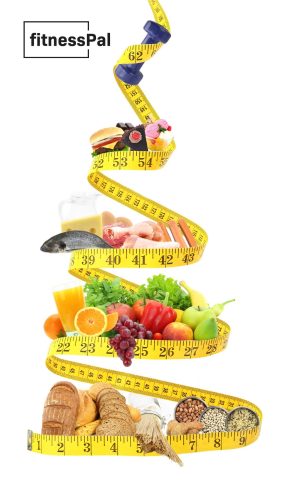
Common Misconceptions
Let's clear up some confusion about low-fat diets. Many people believe all fats are harmful, but your body actually needs healthy fats to function properly. According to Healthline's analysis, good fats help absorb vitamins and maintain brain health.
Don't be fooled by "low-fat" labels on processed foods. These products often contain added sugars and artificial ingredients to improve taste. A study from Health Direct shows that many low-fat processed snacks have similar calorie counts to their full-fat versions.
Another myth is that low-fat diets guarantee weight loss. While reducing fat intake can help create a calorie deficit, it's not a magic solution. Research shows that sustainable weight loss depends more on overall eating patterns than just cutting fat.
Some worry that low-fat diets lead to nutrient deficiencies. However, a well-planned low-fat diet can provide all necessary nutrients. The key is focusing on whole foods like fruits, vegetables, lean proteins, and whole grains rather than processed alternatives.
Remember, healthy fats from sources like avocados, nuts, and olive oil can actually support your weight loss goals. These foods help you feel full longer and provide essential nutrients your body needs. The goal isn't to eliminate fat completely – it's about making smarter fat choices.
Long-Term Success Strategies
Staying committed to a low-fat diet doesn't have to feel like a constant battle. Research shows that successful long-term adherence comes down to smart planning and realistic expectations. A study in the Journal of Clinical Endocrinology & Metabolism found that people who gradually adopted low-fat eating habits maintained their weight loss better than those who made drastic changes (JCEM Study).
Start by planning your meals ahead of time. Keep your kitchen stocked with fruits, vegetables, whole grains, and lean proteins. This simple step removes the temptation to grab convenient, high-fat options when you're hungry. Create a weekly menu that includes your favorite healthy foods – you're more likely to stick with changes you actually enjoy.
Track your progress, but don't obsess over daily fluctuations. The New England Journal of Medicine reports that people who monitor their food intake and weight tend to maintain their healthy habits longer (Healthline). Use a food diary or app to stay accountable, aiming for 20-35% of your daily calories from healthy fats.
Remember that slip-ups happen. Instead of viewing them as failures, treat them as learning opportunities. Studies show that people who maintain a flexible mindset about their diet are more successful long-term than those who take an all-or-nothing approach (Health Direct).
Build a support system. Share your healthy meals with family, join online communities, or find a workout buddy. Social support significantly increases your chances of sticking to healthy changes. When eating out, look up menus beforehand and choose restaurants that offer low-fat options – this prevents last-minute decisions that might derail your progress.
Conclusion
A low-fat diet can be an effective tool for specific health goals, but it's not a one-size-fits-all solution. Research from the New England Journal of Medicine shows that while low-fat diets can support weight loss, averaging 9 pounds over 12 weeks, they may be less effective than other approaches for some individuals (Source).
Your health goals should guide your dietary choices. If you're managing heart disease, a low-fat diet might be particularly beneficial, as studies show it can help lower cholesterol levels (Source). However, if you're focused on blood sugar management, you might want to explore other options.
Remember that healthy fats are essential for your body. Focus on reducing saturated and trans fats while keeping beneficial fats from sources like avocados, nuts, and olive oil (Source). The key is finding a sustainable approach that works for your lifestyle and health needs.
Before starting any diet, consult with your healthcare provider. They can help create a personalized plan that considers your unique health situation, goals, and nutritional needs. Success comes from making informed, sustainable choices that you can maintain long-term.


