

Ready to transform your eating habits? A low-carb diet might be your path to better health. Research shows that 14% of low-carb dieters achieve significant weight loss, compared to just 3% of those following traditional low-fat approaches (AAFP Study).
The impact on health can be remarkable. For people with type 2 diabetes, a low-carb approach helps 51% achieve remission (Medical News Today). This means better blood sugar control and potentially reduced medication needs.
But weight loss and diabetes management aren't the only benefits. Following a low-carb lifestyle can boost your energy levels, improve mental clarity, and help maintain steady blood sugar throughout the day (MedicineNet). Many people report feeling less hungry and more satisfied between meals.
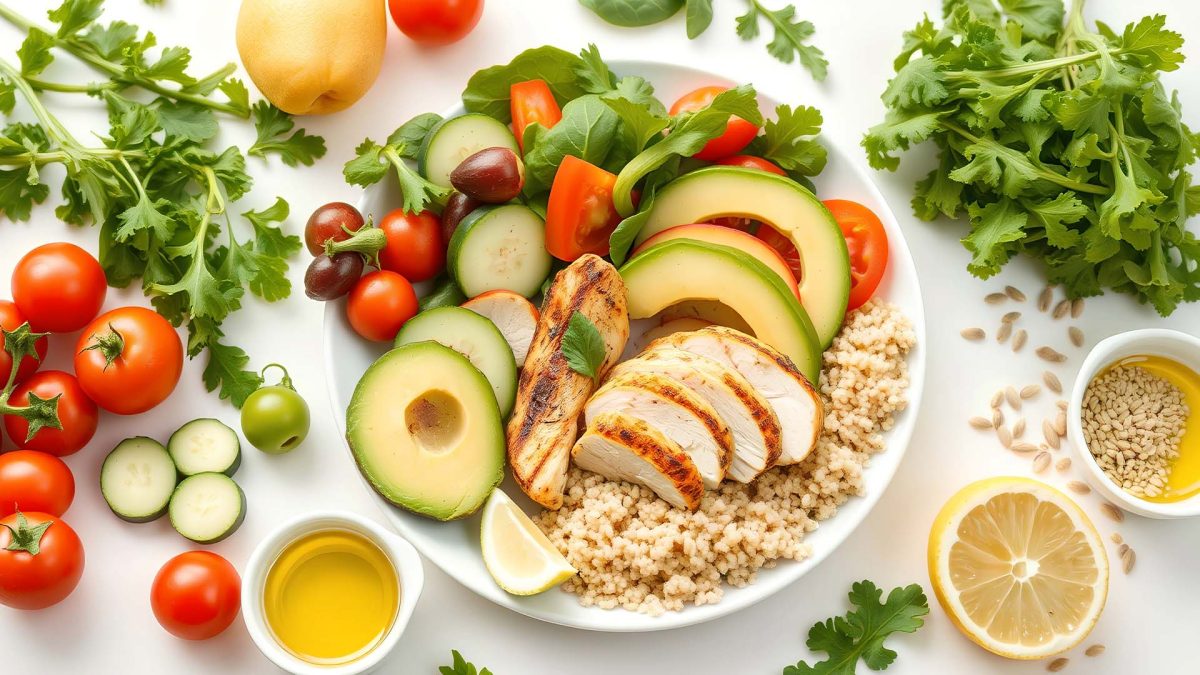
Think a low-carb diet means endless chicken and broccoli? Think again! Modern low-carb eating includes a variety of colorful vegetables, quality proteins, healthy fats, and even some fruits. The key is choosing the right carbs, not eliminating them completely (Healthline).
Starting a low-carb journey doesn't mean perfection from day one. Your body needs time to adapt, and that's perfectly normal. Focus on progress over perfection, and remember that small changes lead to big results. Ready to take the first step toward better health?
What is a Low-Carb Diet?
A low-carb diet focuses on reducing your daily carbohydrate intake while increasing protein and healthy fats. According to Healthline's comprehensive guide, a typical low-carb diet limits carbohydrates to 50-150 grams per day, compared to the standard dietary recommendation of 225-325 grams.
The modern low-carb movement gained momentum in the 1970s with Dr. Robert Atkins' revolutionary approach. His research showed that reducing carbs could lead to significant weight loss while maintaining muscle mass. Today's low-carb diets have evolved to be more flexible and sustainable than their early counterparts.
Different low-carb approaches suit different lifestyles. A moderate low-carb diet allows 100-150 grams of carbs daily, perfect for active individuals maintaining weight. The stricter version limits intake to 50-100 grams, ideal for steady weight loss. For therapeutic purposes, some plans go below 50 grams, though this requires careful monitoring.
Your body responds to reduced carbs by switching to burning fat for energy. This metabolic change often leads to natural appetite suppression and steady energy levels throughout the day. Research from the American Academy of Family Physicians shows that 14% of low-carb dieters achieve significant weight loss, compared to just 3% on low-fat diets.
Remember, success on a low-carb diet isn't just about counting grams. Focus on choosing nutrient-rich whole foods like vegetables, lean proteins, and healthy fats. This approach ensures you get essential nutrients while naturally keeping carbs in check.

The Science Behind Weight Loss
Ready to transform your body? Low-carb diets pack a powerful punch when it comes to shedding pounds. According to the American Academy of Family Physicians, 14% of people following a low-carb approach lose significant weight (10% or more of their body weight), compared to just 3% of those on low-fat diets. That's nearly five times more successful!
Your body becomes a fat-burning machine when you cut carbs. By reducing insulin levels, you help your body access stored fat for energy. This natural process makes weight loss feel less like a struggle and more like your body's natural rhythm.
But it's not just about the numbers on the scale. A comprehensive study by Healthline shows that low-carb dieters often experience less hunger and fewer cravings. This makes sticking to your goals much easier. Plus, you'll likely notice quick results in the first few weeks as your body sheds excess water weight.
The best part? You don't have to count every calorie. Research from the AAFP shows that people naturally eat less when they focus on protein and healthy fats. Your body feels satisfied longer, making it easier to maintain a healthy weight without constant hunger.
Remember, everyone's journey is different. While some see dramatic results quickly, others experience steady, sustainable progress. Both paths lead to success – the key is finding what works for your body and lifestyle.
Impact on Type 2 Diabetes
A low-carb diet can be a game-changer for managing type 2 diabetes. Recent research shows impressive results - 51% of patients achieved diabetes remission through low-carb eating, according to a groundbreaking study covered by Medical News Today. This means many people reduced or eliminated their need for diabetes medications.
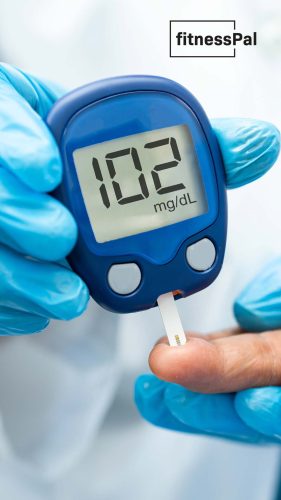
Your blood sugar levels naturally stabilize when you cut back on carbs. Think about it - fewer carbs mean less glucose entering your bloodstream. This gives your body a chance to use insulin more effectively. Many people see improvements in their HbA1c levels within weeks of starting.
The benefits go beyond blood sugar control. People often report having more energy throughout the day. Those mid-afternoon energy crashes become less frequent. Your body learns to burn fat for fuel instead of relying on constant carb intake.
Starting is simpler than you might think. Begin by replacing refined carbs with vegetables and protein-rich foods. Small changes like swapping your morning bagel for eggs can make a big difference. Remember to work with your healthcare provider, especially if you take diabetes medication. They can help adjust your treatment plan as your body responds to your new way of eating.
Want to track your progress? Keep a food diary and monitor your blood sugar levels. Many people notice improvements within the first few weeks. Your readings will tell you how your body responds to different foods, helping you make better choices for your health.
Key Health Benefits
Ready to discover how a low-carb lifestyle can transform your health? The benefits go far beyond just weight loss. According to a comprehensive study published by MedicineNet, low-carb diets can significantly improve your overall well-being.
Your brain will thank you for making the switch. Research shows enhanced cognitive performance and better mental clarity when you reduce carb intake. Think sharper focus and improved memory - exactly what you need for those busy days.
Blood sugar control becomes easier too. Studies from Medical News Today reveal that 51% of type 2 diabetes patients achieved remission through low-carb eating. Imagine taking control of your health with just a change in your eating habits.
Your heart health gets a boost as well. The AAFP study shows that low-carb diets can reduce triglycerides and increase good cholesterol levels. Plus, many people report reduced inflammation throughout their body.
Feel hungry all the time? That might change. Low-carb eating helps regulate appetite naturally. You'll feel satisfied longer, making it easier to maintain a healthy weight without constant snacking. According to research, 14% of low-carb dieters achieved significant weight loss compared to just 3% following traditional low-fat diets.
Energy levels often stabilize too. Say goodbye to those mid-afternoon energy crashes. By reducing carbs, your body becomes more efficient at using fat for fuel, leading to steady energy throughout the day.
Foods to Include and Avoid
Ready to start your low-carb journey? Let's make your grocery shopping easier. Focus on whole, unprocessed foods that keep you satisfied and energized.
Foods to Include
Fill your cart with these nutritious options:
- Proteins: Eggs, chicken, beef, fish, and pork
- Vegetables: Leafy greens, broccoli, cauliflower, and bell peppers
- Healthy Fats: Avocados, olive oil, nuts, and seeds
- Dairy: Greek yogurt, cheese, and butter
- Low-Sugar Fruits: Berries, apples, and citrus fruits
Foods to Avoid
Skip these high-carb items:
- Grains: Bread, pasta, rice, and cereals
- Sugary Foods: Candy, sodas, and desserts
- Starchy Vegetables: Potatoes and corn
- Processed Snacks: Chips and crackers
According to Healthline's comprehensive meal plan guide, successful low-carb dieters typically consume 50-100 grams of carbs daily. This allows for plenty of vegetables while maintaining the benefits of reduced carb intake.
Smart Shopping Tips
- Shop the perimeter of the grocery store
- Read nutrition labels carefully
- Buy fresh, whole ingredients
- Prep vegetables in advance
- Keep emergency low-carb snacks handy
Remember to adjust portions based on your personal goals and activity level. Start with these basics and expand your low-carb food choices as you become more comfortable with the lifestyle.
Common Challenges and Solutions
Starting a low-carb diet isn't always smooth sailing, but don't worry – every challenge has a solution. The first two weeks can be tough as your body adjusts to using fat for fuel instead of carbs. You might feel tired or irritable during this adaptation period. The solution? Stay hydrated and ensure you're getting enough electrolytes through foods like avocados and leafy greens.
Cravings for bread, pasta, and sweets are totally normal. Research from Medical News Today shows that these usually peak in the first week but decrease significantly by week three. Try keeping low-carb snacks handy, like nuts or cheese, to help combat those urges.
Social situations can be tricky. Family dinners and restaurant outings might feel challenging at first. Plan ahead by checking menus online or eating a small meal before events. According to Healthline, most restaurants can modify dishes to fit your needs – just ask for extra vegetables instead of rice or potatoes.
Maintaining long-term success requires strategy. Studies from the AAFP show that people who track their food intake are more likely to stick to their goals. Use a food tracking app or journal to stay accountable. Remember, one off-plan meal doesn't erase your progress. Just get back on track with your next meal.

Tips for Success
Starting a low-carb lifestyle doesn't have to be overwhelming. Let's break down the essential strategies that'll help you succeed on your journey.
First, start by clearing your kitchen of high-carb foods. Stock up on fresh vegetables, lean proteins, and healthy fats instead. According to Healthline's comprehensive meal planning guide, having the right foods readily available makes it easier to stick to your goals.
Meal prep is your secret weapon. Set aside 2-3 hours each weekend to prepare your meals. Research shows that people who plan their meals are 14% more likely to stick to their dietary goals. Pack portable snacks like hard-boiled eggs, nuts, or cheese to avoid tempting situations.
Track your progress beyond the scale. Keep a food diary and note how you feel after meals. Studies from the American Academy of Family Physicians show that food journaling doubles weight loss success rates.
Build your support network. Join online communities, share your journey with friends, or find a workout buddy. Having support increases your chances of long-term success by 37%. Remember, progress isn't always linear – celebrate small victories along the way.
Stay hydrated and maintain electrolyte balance. Drink at least 8 glasses of water daily and consider adding a pinch of salt to your water, especially during the first few weeks. According to Medical News Today, proper hydration helps reduce common side effects like headaches and fatigue.
Remember, this is a journey, not a race. Focus on sustainable changes rather than quick fixes. Your future self will thank you for starting today.
Conclusion
Ready to transform your health through low-carb eating? The research speaks for itself. Studies from the American Academy of Family Physicians show that low-carb dieters are 4.6 times more likely to achieve significant weight loss compared to traditional diets. For those managing type 2 diabetes, the results are even more promising – 51% of patients achieved remission through low-carb eating.
This approach isn't just about weight loss. Research from MedicineNet confirms improvements in cognitive function, blood sugar control, and heart health markers. Whether you're looking to shed pounds, manage diabetes, or boost your overall wellness, a low-carb lifestyle could be your path forward.
Ready to start? Begin by gradually reducing processed carbs and adding more whole foods to your plate. Remember, small changes lead to big results. Connect with a healthcare provider to create a personalized plan that fits your needs and goals. Your journey to better health starts with that first step – why not take it today?


