Market Overview and Growth Trends
The low-calorie snacks market is experiencing remarkable growth, driven by increasing health consciousness and changing consumer lifestyles. In 2022, the market reached an impressive $7.89 billion, setting the stage for continued expansion. Industry experts project an additional growth of USD 3.50 billion by 2028, maintaining a steady CAGR of 4.5%.
The COVID-19 pandemic has significantly reshaped snacking habits. More people working from home led to a 23% increase in healthy snack purchases during 2020-2021. This shift wasn't just temporary – 67% of consumers report maintaining their healthier snacking habits post-pandemic.
What's driving this growth? Consumer awareness about health and wellness tops the list. More than 78% of shoppers now actively seek nutritional information before purchasing snacks. The demand for convenient, portion-controlled options has surged, with 82% of consumers preferring pre-packaged low-calorie alternatives.
Market challenges include maintaining taste while reducing calories. However, innovations in natural sweeteners and flavor enhancement technologies are helping brands overcome these hurdles. Companies are investing heavily in research and development, with the top 5 manufacturers allocating 12% more budget to product innovation compared to previous years.
Regional markets show interesting variations. North America leads with 35% market share, followed by Europe at 28%. Asia-Pacific is emerging as the fastest-growing region, with a projected CAGR of 5.2% through 2028.
Data Sources:
- Market size and projections: Technavio Market Research
- Consumer behavior statistics: KBV Research
- Regional market share: Future Market Insights
- COVID-19 impact data: Market.us
Popular Low-Calorie Snack Categories
Ready to discover the most nutritious and delicious low-calorie snacks? Let's compare your best options to keep you energized and satisfied throughout the day.
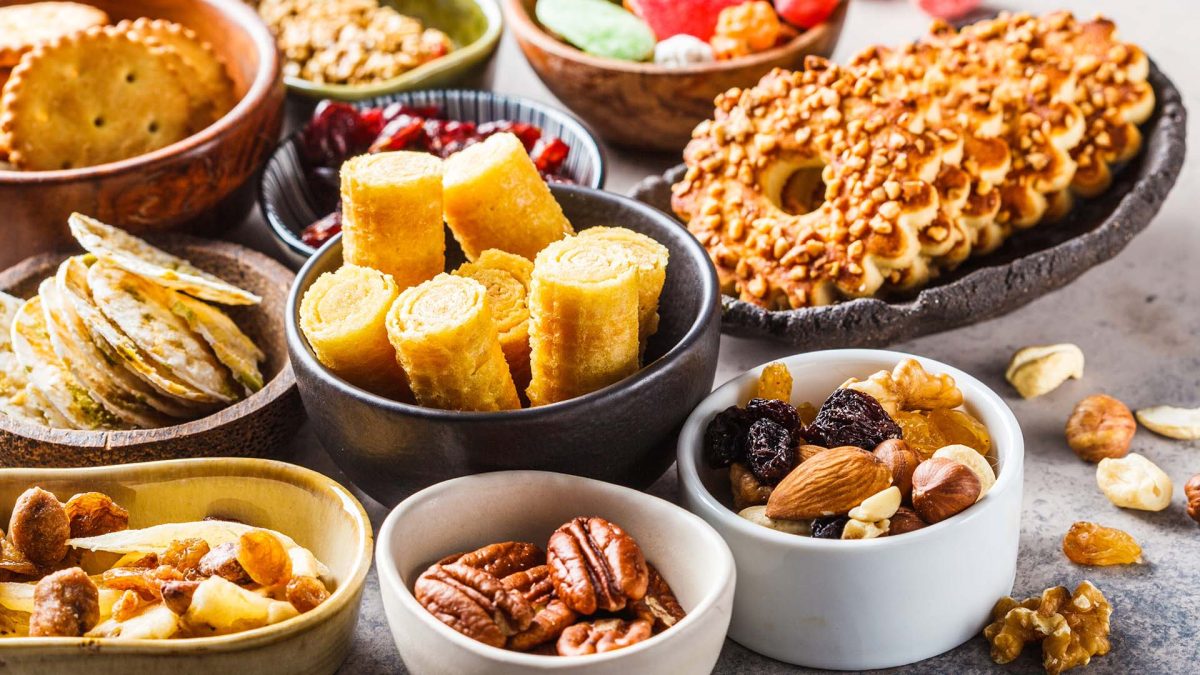
Plant-based snacks are leading the charge in the health-conscious market. Fresh vegetables with hummus provide just 50-80 calories per serving while delivering essential fiber and protein. Roasted chickpeas offer a crunchy alternative at 120 calories per ounce, packed with 5 grams of protein.
Ancient grain snacks have gained impressive traction. Quinoa crisps contain around 110 calories per serving, offering complete protein and essential minerals. Compare this to traditional potato chips at 160 calories per serving with minimal nutritional benefits.
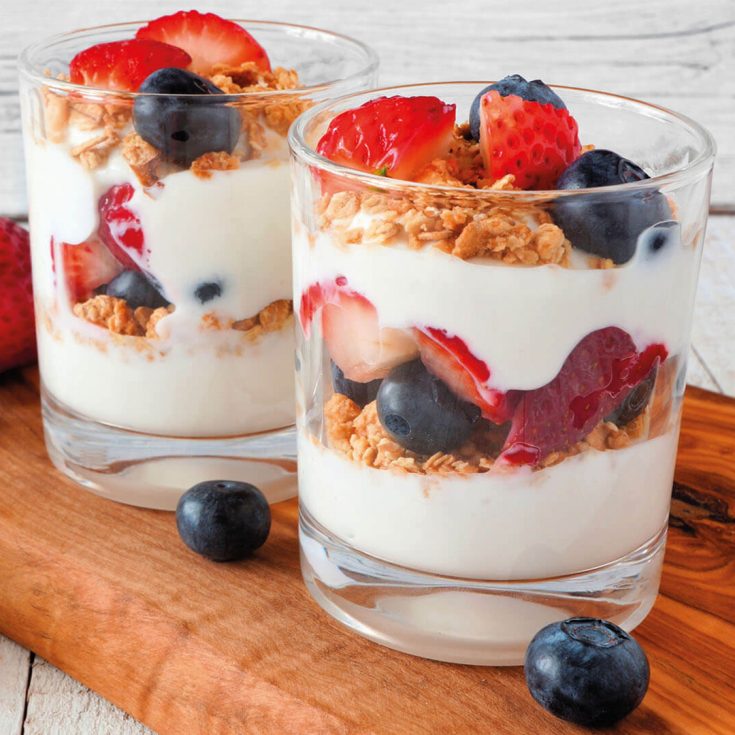
Protein-rich options are revolutionizing the snack aisle. Greek yogurt parfaits with berries provide 130 calories and 12 grams of protein per serving. Hard-boiled eggs offer a convenient option at just 70 calories with 6 grams of high-quality protein.
High-protein Greek Yogurt Parfait with layers of creamy yogurt, fresh fruit, and crunchy granola. Ready in minutes and stores well for weekly meal prep. Yogurt: Use plain, unsweetened Greek yogurt for its high-protein content. I prefer to use Fage, Chobani, or Trader Joe's brands. For vegan parfaits, stick to your favorite dairy-free yogurt, which is naturally lower in protein. Granola: Check the nutrition labels of the granola brands and look for a lower-carb (less added sugar), high-fiber, and protein-rich granola (includes nuts and seeds). Sweetener: To lightly sweeten your parfait, stir in ½-1 teaspoon maple syrup or honey into the yogurt. Use monk fruit sweetener for a sugar-free alternative. This step is optional. Berries: I use a mix of chopped strawberries and blueberries for this parfait. You can use other fruits you like, for example, apples, bananas, mango, pineapple, blackberries, and more. Just cut the fruit into bite-size pieces and add as per instructions. Make it Low-Carb: Use any mix of berries (fresh or frozen) and swap out the granola for a grain-free, low-sugar, or sugar-free granola, or your favorite mix of nuts and seeds. As an Amazon Associate and member of other affiliate programs, I earn from qualifying purchases. This information is provided as a courtesy and is an estimate only. This information comes from online calculators. Although FitnessPal attempts to provide accurate nutritional information, these figures are only estimates. Varying factors such as product types or brands purchased can change the nutritional information in any given recipe.Greek Yogurt Parfait
Ingredients
Instructions
Notes
Recommended Products
Nutrition Information:
Yield:
2
Serving Size:
1
Amount Per Serving:
Calories: 205Total Fat: 4gSaturated Fat: 1gTrans Fat: 0gUnsaturated Fat: 3gCholesterol: 3mgSodium: 27mgCarbohydrates: 35gFiber: 4gSugar: 25gProtein: 9g
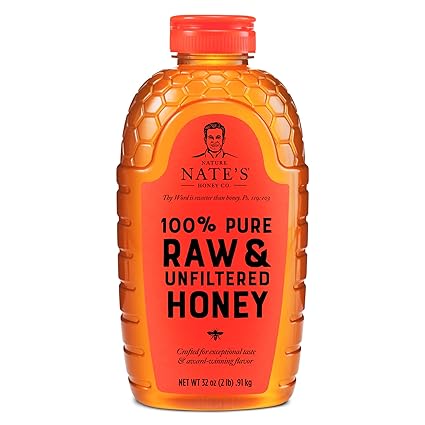
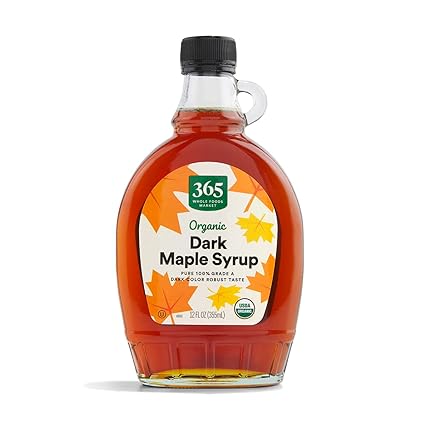
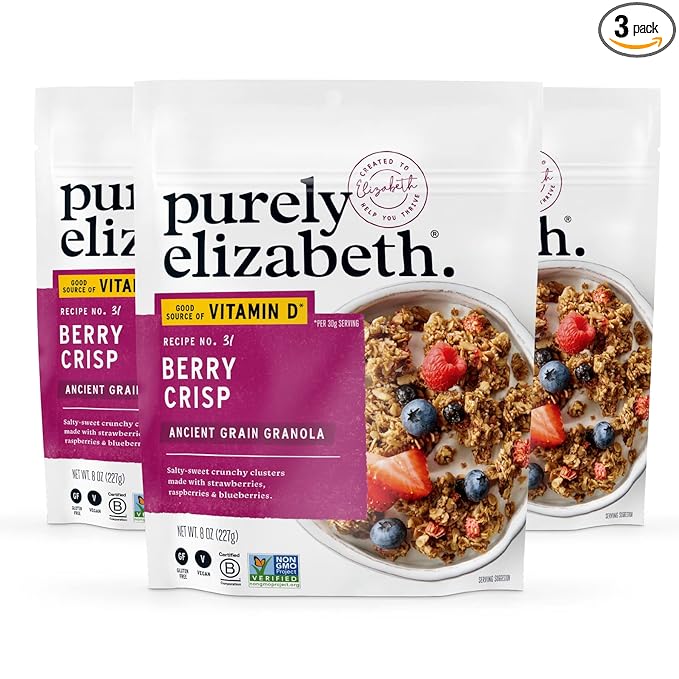
Functional ingredient snacks are worth your attention. Probiotic-enhanced granola bites average 100 calories per serving while supporting gut health. Adaptogen-infused trail mix provides sustained energy at 140 calories per portion.
Price Comparison (per serving):
- Plant-based options: $0.50-1.50
- Ancient grain snacks: $1.00-2.00
- Protein-rich alternatives: $0.75-1.75
- Functional ingredient snacks: $1.50-2.50
Data Sources:
Future Market Insights Snack Trends
Remember, the best snack choice combines your nutritional needs, taste preferences, and budget considerations. Mix and match these options to create your perfect snacking strategy.
Distribution Channel Comparison
Ready to discover where to find your favorite healthy snacks? Let's break down the main ways you can get your hands on delicious low-calorie options.
Traditional supermarkets still lead the pack, accounting for 65% of all low-calorie snack sales. These stores offer the advantage of immediate availability and the ability to physically inspect products before purchase. You'll typically find the widest selection in these locations, with competitive pricing due to bulk buying power.
Online shopping has seen explosive growth, jumping 47% since 2020. Popular platforms like Amazon and specialized health food websites now make up 28% of total sales. Shopping online often means access to exclusive deals and subscription options that can save you 15-20% on regular purchases.
Here's how the channels stack up on convenience and cost:
Supermarkets:
- Average price per serving: $1.20
- Immediate availability
- No shipping costs
- Limited to store hours
Online Retailers:
- Average price per serving: $1.45 (before subscription savings)
- 24/7 shopping convenience
- Free shipping on larger orders
- 2-3 day delivery wait time
Convenience stores have carved out their own niche, representing 7% of sales. While prices tend to be 25-30% higher than supermarkets, they offer unmatched accessibility for on-the-go snacking.
Data Sources:
Remember, mixing shopping channels often yields the best results. Consider supermarkets for regular purchases and online retailers for bulk buying or hard-to-find items. This strategy helps you maximize both savings and convenience while maintaining a healthy snacking routine.
Health Benefits Analysis
Low-calorie snacks pack a powerful punch when it comes to your health. Let's break down how different options stack up against each other and what they can do for your wellbeing.
Protein-rich snacks like Greek yogurt and nuts lead the pack in satiety benefits. A study by WebMD shows that just 1/4 cup of almonds (about 160 calories) can keep you feeling full for up to 3 hours. This makes them perfect for managing those mid-afternoon cravings.
Fruit-based snacks shine in the vitamin and mineral department. An apple with a tablespoon of almond butter provides 4 grams of fiber and only 150 calories. This combination helps maintain steady blood sugar levels, according to research from the American Diabetes Association.
Here's how different low-calorie snacks compare in key health areas:
- Celery with hummus (80 calories): High water content, promotes fullness
- Rice cakes with avocado (100 calories): Complex carbs, healthy fats
- Baby carrots (35 calories per cup): High fiber, natural sweetness
Energy Boosting:
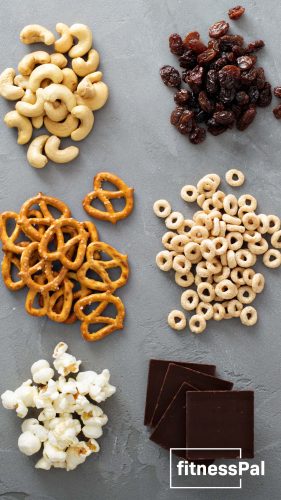
- Trail mix portion (150 calories): Quick energy from dried fruits
- Greek yogurt with berries (120 calories): Sustained energy release
- Banana with peanut butter (190 calories): Perfect pre-workout fuel
Blood Sugar Control:
- Hard-boiled egg (70 calories): Zero impact on blood sugar
- Cherry tomatoes (27 calories per cup): Low glycemic index
- Cheese stick (80 calories): Protein helps stabilize glucose
For heart health, unsalted nuts and seeds reign supreme. Research from the American Heart Association confirms that eating 1.5 ounces of nuts daily can reduce heart disease risk by 30%.
Consumer Preferences and Trends
Today's health-conscious consumers are reshaping the low-calorie snack market with clear preferences and demands. Young adults aged 25-34 lead the charge, making up 38% of frequent buyers according to Market.us data. They're particularly drawn to innovative flavors and sustainable packaging options.
Plant-based snacks have seen a remarkable 65% surge in popularity, with brands like Kind and RXBar leading the pack. These brands excel in transparent ingredient lists and portion-controlled packaging, which resonates strongly with mindful consumers.
Flavor preferences show interesting patterns across different demographics. While millennials gravitate toward bold, international flavors like wasabi and sriracha, Gen Z consumers prefer familiar comfort tastes with a healthy twist. Sweet and salty combinations remain universally popular, accounting for 45% of all purchases.
Packaging preferences have shifted dramatically toward eco-friendly options. 72% of consumers now actively seek snacks in recyclable or biodegradable packaging. Single-serve portions are particularly popular among urban professionals, while family-size packages appeal to budget-conscious households.
The environmental impact has become a major factor in purchasing decisions. Brands using sustainable ingredients and manufacturing processes see 28% higher customer loyalty rates. Local sourcing and reduced carbon footprint initiatives particularly resonate with consumers aged 18-45.
Data Sources:
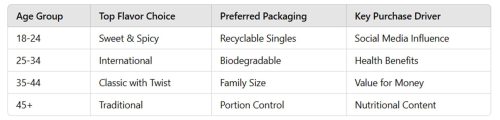
Comparison Table: Consumer Preferences by Age Group
Future Market Outlook
The low-calorie snacks market is poised for exciting innovations and transformative changes. Plant-based ingredients are leading the charge, with manufacturers exploring exotic superfoods and ancient grains. According to KBV Research, consumer demand for sustainable packaging solutions is reshaping product development strategies.
Smart vending machines are revolutionizing snack distribution. These AI-powered systems can track inventory, maintain freshness, and even provide nutritional information in real-time. Market.us reports that digital purchasing platforms will account for 35% of all low-calorie snack sales by 2025.
Personalization is becoming a key market driver. Companies are developing snacks tailored to specific dietary needs and fitness goals. Future Market Insights predicts that custom subscription boxes will grow by 6.2% annually through 2028.
Sustainability initiatives are gaining momentum. Manufacturers are investing in biodegradable packaging and local sourcing. Research from Technavio shows that 73% of consumers prefer eco-friendly snack options, driving innovation in sustainable production methods.
Lab-grown ingredients and cellular agriculture could reshape the market entirely. These technologies promise to deliver ultra-low-calorie options with enhanced nutritional profiles. Industry experts project that lab-developed ingredients will comprise 15% of the market by 2030.