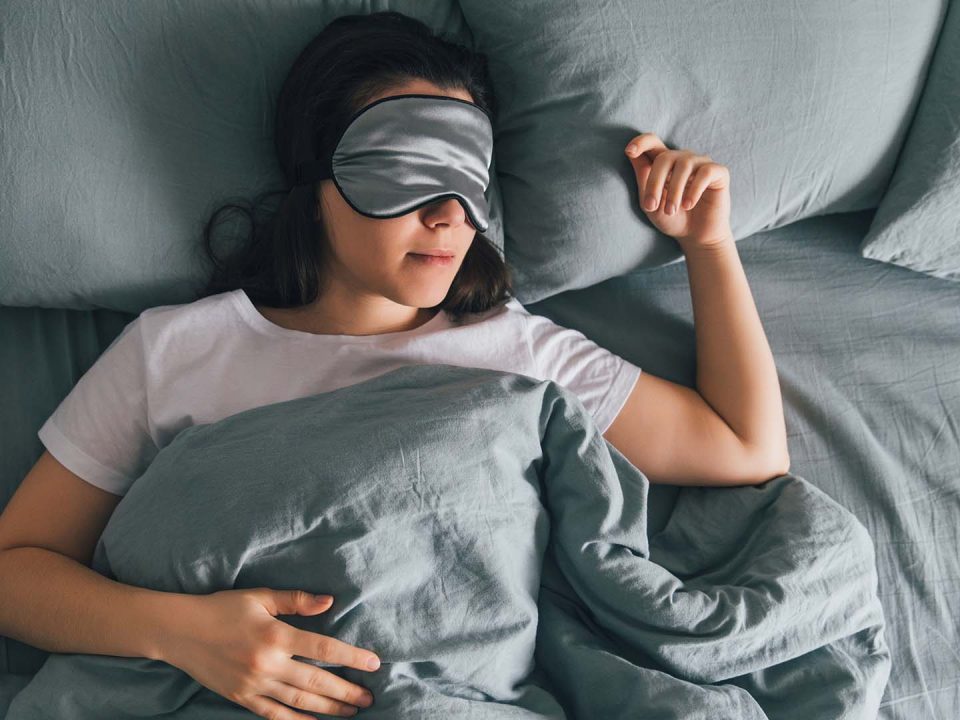
When you're fighting a cold, sleep becomes your secret weapon. Getting enough rest can make the difference between a quick recovery and a lingering illness. Research from the Sleep Foundation shows that quality sleep directly strengthens your immune system, helping you bounce back faster from illness.
Think of sleep as your body's repair mode. During those precious hours of rest, your immune system kicks into high gear, producing special proteins called cytokines that target infections. A fascinating study from UCSF found that people who sleep less than six hours are four times more likely to catch a cold compared to those who get more than seven hours.
Your body is incredibly smart – it knows exactly what to do when you're sick, but it needs the right conditions to work its magic. Getting enough sleep isn't just about feeling better; it's about giving your body the time it needs to fight off the virus effectively. The Oklahoma Medical Research Foundation confirms that consistent, quality sleep is crucial for maintaining a strong immune response.
Ready to boost your recovery? Let's explore how you can use sleep as your most powerful tool against the common cold. In this guide, we'll cover everything from optimal sleep duration to practical strategies that help you rest better when you're under the weather.
The Science Behind Sleep and Cold Recovery
Your body becomes a healing powerhouse while you sleep. During those precious hours of rest, your immune system kicks into high gear, producing special proteins called cytokines. These tiny warriors help fight off the cold virus and reduce inflammation throughout your body.
Research from the Sleep Foundation shows that quality sleep strengthens your immune system's natural defense mechanisms. When you're sleeping, your body temperature rises slightly, creating an environment that makes it harder for viruses to thrive. This natural fever response is one of your body's most effective weapons against the common cold.
Your immune cells also work more efficiently during sleep. These cells, including T-cells and natural killer cells, are better at identifying and destroying virus-infected cells when you're getting proper rest. Studies have found that even a single night of poor sleep can reduce your immune cells' ability to fight off infections by up to 70%.
Think of sleep as your body's repair shop. During deep sleep phases, your body produces and releases proteins that target inflammation and infection. This process is so important that UCSF researchers found people who sleep less than 6 hours are four times more likely to catch a cold than those who get 7 or more hours.
The relationship between sleep and cold recovery isn't just about duration – it's about quality too. Deep sleep stages are when your body does most of its repair work. During these stages, your immune system releases compounds that help reduce cold symptoms and speed up recovery. This is why uninterrupted sleep is crucial when you're fighting off a cold.
Remember, your immune system is like a 24/7 security team, but it needs proper rest to function at its best. Getting enough quality sleep isn't just about feeling better – it's about giving your body the tools it needs to fight off illness effectively.
Optimal Sleep Duration for Fighting Colds
Getting enough sleep is your secret weapon against the common cold. Research shows that 7-8 hours of quality sleep each night can significantly boost your recovery speed and reduce your chances of getting sick in the first place.
A groundbreaking study from the University of California San Francisco revealed some eye-opening numbers. People who slept less than 6 hours were 4.2 times more likely to catch a cold compared to those who got 7 or more hours of rest. The study tracked 164 participants and found that sleep was the strongest predictor of cold susceptibility – even more important than age or stress levels.
Your immune system works overtime while you rest. According to research from Sleep Foundation, adults who consistently get 7-8 hours of sleep show remarkably better immune function. Only 18% of well-rested individuals caught a cold when exposed to the virus, compared to 39% of those sleeping just 5-6 hours.
But don't think more is always better. Oversleeping beyond 9-10 hours might actually slow your recovery. The key is finding that sweet spot of 7-8 hours, which allows your body to complete all necessary immune-boosting processes. A study from UCSF confirms that this duration provides optimal protection against infections.
Want to track your progress? Keep a simple sleep log during your illness. Note your sleep duration and how you feel each morning. This data can help you identify your optimal rest pattern for faster recovery.

Impact of Sleep Quality on Recovery
Quality sleep plays a vital role in how quickly you bounce back from a cold. Research shows that deep, uninterrupted sleep can significantly reduce your recovery time. According to the Oklahoma Medical Research Foundation, people who get high-quality sleep are better equipped to fight off infections.
Your immune system works overtime during deep sleep phases. These precious hours of rest allow your body to produce and program immune cells that target the cold virus. When sleep quality suffers, so does your body's natural defense system. Poor sleep can extend your cold symptoms by several days and make them feel more intense.
Common cold symptoms like congestion, coughing, and body aches often disrupt sleep patterns. A stuffy nose can force mouth breathing, leading to a dry throat and more frequent wake-ups. Coughing fits might jolt you awake, while body aches make it tough to find a comfortable position.
The Sleep Foundation reports that fragmented sleep reduces the production of infection-fighting antibodies. Even one night of poor sleep can decrease immune cells by up to 70%. This dramatic drop makes it harder for your body to combat the cold virus effectively.
Getting quality rest while sick requires some strategy. Prop yourself up with extra pillows to help drainage and reduce congestion. Use a humidifier to keep airways moist and comfortable. Consider taking any cold medicine about 30 minutes before bedtime to help symptoms subside as you drift off to sleep.
Practical Sleep Strategies During Illness
Creating the perfect sleep environment can speed up your recovery from a cold. Start by setting your bedroom temperature between 65-68°F (18-20°C). A cool room helps your body maintain its natural sleep rhythm and can ease congestion.
A humidifier is your best friend when fighting a cold. Adding moisture to the air helps soothe irritated nasal passages and reduces nighttime coughing. Place it near your bed, but not too close – about 3-4 feet away is perfect.
Your pre-bedtime routine matters more than ever when you're sick. Take a warm shower 60-90 minutes before bed to help clear congestion and relax your muscles. According to Healthline, sipping warm chamomile tea can help you drift off naturally while staying hydrated.
Speaking of hydration, keep water within arm's reach. Drinking enough fluids helps thin mucus and supports your immune system. But time your intake wisely – too many trips to the bathroom can disrupt precious sleep.
Timing your cold medication properly can make a big difference. Take any nighttime cold medicine about 30 minutes before bed. This gives the medication time to start working as you're settling down. Avoid daytime formulas with stimulants in the evening – they can keep you tossing and turning.
Prop yourself up with extra pillows to reduce postnasal drip and make breathing easier. This elevated position helps prevent congestion from pooling in your sinuses. Consider using a wedge pillow for more stable support throughout the night.
Remember to turn off all screens at least an hour before bed. The blue light from devices can suppress your natural melatonin production, making it harder to fall asleep when you need rest the most.
Common Mistakes to Avoid
Getting quality sleep while fighting a cold can be tricky. Many of us make mistakes that slow down our recovery without even realizing it. Let's tackle the most common sleep-disrupting errors and learn how to avoid them.
Taking nighttime cold medicine too close to morning can leave you groggy and disrupt your next day's sleep cycle. Try timing your medication 30 minutes before bedtime instead. According to WebMD, over-the-counter cold medicines can affect your sleep quality if not timed correctly.
That late-night scroll through social media isn't doing your recovery any favors. The blue light from screens reduces melatonin production, making it harder to fall asleep. Put away all devices at least an hour before bed to help your body prepare for rest.
Your sleeping position matters more than you might think. Lying flat can worsen congestion and coughing. Prop yourself up with extra pillows to help drainage and ease breathing. This simple adjustment can significantly improve your sleep quality and speed up recovery.
Many people bundle up too much when sick, creating an uncomfortably warm sleep environment. Keep your bedroom cool, around 65-68°F (18-20°C), for optimal sleep conditions. A cooler room temperature helps lower your body's core temperature, promoting better sleep.
Skipping hydration before bed to avoid bathroom trips can slow your recovery. Instead, sip water throughout the day and taper off 2-3 hours before bedtime. This approach keeps you hydrated while minimizing nighttime disruptions.
Remember, these adjustments might feel small, but they can make a big difference in your recovery time. Focus on creating the best possible sleep environment, and you'll bounce back faster from your cold.

Conclusion
Getting quality sleep while fighting a cold isn't just about feeling better – it's your body's best defense against illness. Research shows that consistent 7-8 hours of sleep can cut your risk of catching a cold by more than half. The science is clear: good sleep habits are your immune system's best friend.
Remember these key points for faster recovery:
- Create a cool, dark, and quiet sleep environment
- Use a humidifier to ease breathing
- Stay hydrated throughout the day
- Avoid screens before bedtime
- Keep a consistent sleep schedule
Your recovery journey starts with prioritizing rest. According to the Sleep Foundation, even one night of good sleep can boost your immune response. The UCSF study confirms that people who consistently get enough sleep are four times less likely to catch a cold.
Start implementing these sleep strategies today – your immune system will thank you. Whether you're currently fighting a cold or wanting to prevent one, quality sleep is your most powerful tool for staying healthy.
Additional Resources
Sleep tracking can be a game-changer for your recovery journey. The Sleep Cycle app helps monitor your sleep patterns and wake times, making it easier to maintain healthy sleep habits during illness. You can download it from the App Store or Google Play.
For deeper insights into sleep science, check out "Why We Sleep" by Matthew Walker, PhD. This comprehensive guide explores sleep's impact on immune function and overall health. Find it on Amazon.
Need professional guidance? The American Academy of Sleep Medicine's sleep center locator helps you find certified sleep specialists in your area. They can provide personalized advice for managing sleep during illness.
The National Sleep Foundation offers free resources about sleep and immunity on their educational portal. Their content is regularly updated with the latest research and expert recommendations.
For daily sleep tips and updates, follow these trusted experts:
- Dr. Michael Breus (@thesleepdoctor) on Twitter
- The Sleep Foundation (@sleepfoundation) on Instagram
- Sleep.org's newsletter for weekly sleep insights
Remember, quality sleep is your best defense against colds. These resources will help you build better sleep habits for faster recovery and stronger immunity.