Introduction
More Americans are turning to dietary supplements to boost their health. A whopping 57.6% of U.S. adults reported using supplements in the past month, according to recent data. This trend isn't uniform across all groups, though. Women are leading the charge, with 63.8% using supplements compared to 50.8% of men.
Age plays a big role too. As we get older, we're more likely to reach for that bottle of vitamins. The highest usage? Women over 60, with an impressive 80.2% taking supplements. Men in the same age group aren't far behind at 67.3%.
But why this surge in supplement use? It's likely a mix of factors. Growing health awareness, busy lifestyles, and concerns about nutrient gaps in our diets all play a part. Plus, with more information at our fingertips, people are taking charge of their health like never before.
Remember, while supplements can be helpful, they're not a magic fix. A balanced diet and healthy lifestyle are still key. Always chat with your doctor before starting any new supplement regimen.
Most Popular Supplements and Their Benefits
Americans are increasingly turning to dietary supplements to boost their health. Multivitamin-minerals reign supreme, with 24% of adults aged 20-39, 29.8% of those 40-59, and 39.4% of seniors using them. These all-in-one supplements help fill nutritional gaps in our diets.
Vitamin D is another top choice, especially among older adults. Usage jumps from 6.7% in young adults to a whopping 36.9% in those over 60. This "sunshine vitamin" is crucial for strong bones and a robust immune system.
Omega-3 fatty acids round out the top three, with usage increasing with age. These powerful supplements support heart and brain health. About 5.4% of young adults take them, compared to 21.8% of seniors.
Each of these supplements offers unique benefits. Multivitamins provide a broad spectrum of nutrients, ensuring your body gets what it needs. Vitamin D is essential for calcium absorption and bone strength. Omega-3s fight inflammation and may improve mood and cognitive function.
Remember, supplements aren't magic pills. They work best as part of a healthy lifestyle. Always consult your doctor before starting any new supplement regimen.
Data Source: Dietary Supplements Statistics 2024

The Booming Supplements Market
The dietary supplements market is experiencing explosive growth. In 2021, the U.S. market alone was valued at a staggering $20.5 billion. This figure highlights the increasing popularity of vitamins and supplements among health-conscious consumers.
Global projections paint an even more impressive picture. The worldwide dietary supplements market is on track for substantial expansion. Industry experts predict it will reach $361.4 billion by 2032, growing at a compound annual growth rate (CAGR) of 8.4%.
Several factors are driving this remarkable growth. Increased health awareness, especially in the wake of the COVID-19 pandemic, has led many to seek preventive health measures. The aging population is also contributing, as older adults often turn to supplements to support their health.
Moreover, the rise of personalized nutrition and the growing interest in natural and organic products are fueling market expansion. Consumers are increasingly looking for targeted solutions to their specific health concerns, driving demand for specialized supplements.
E-commerce has played a significant role in market growth too. The convenience of online shopping has made supplements more accessible than ever before. This trend is likely to continue, further boosting market growth in the coming years.
As the market expands, we're seeing increased innovation in product formulations and delivery methods. From gummies to powders and even personalized supplement packs, companies are finding new ways to meet consumer preferences and needs.
Remember, while the market growth is impressive, it's essential to approach supplements with a balanced perspective. Always consult with a healthcare professional before starting any new supplement regimen. Your health journey is unique, and what works for others may not be the best fit for you.
Emerging Trends in Supplements
The vitamins and supplements market is evolving rapidly, with new trends emerging to meet changing consumer needs. Women's health supplements are gaining significant traction. These products target specific concerns like reproductive health, menopause symptoms, and bone strength. The growing awareness of women's unique health needs is driving this trend.
Immune support supplements have seen a dramatic surge in popularity. The COVID-19 pandemic sparked a renewed focus on boosting immunity. Consumers are now more proactive about their health, seeking out vitamins C and D, zinc, and elderberry supplements. This trend shows no signs of slowing down.
Plant-based and vegan supplements are also on the rise. As more people adopt plant-based diets, they're looking for supplements to fill potential nutrient gaps. Algae-based omega-3s and vegan protein powders are becoming increasingly popular.
Personalized nutrition is another emerging trend. Companies are now offering tailored supplement regimens based on individual health profiles, genetic testing, and lifestyle factors. This approach promises more effective and targeted supplementation.
Lastly, there's growing interest in adaptogenic herbs and nootropics. These supplements claim to help manage stress and improve cognitive function – key concerns in our fast-paced world.
Data Source: Vitamins and Supplements Market Update - Capstone Partners
Key Vitamins: Recommended Intakes and Benefits
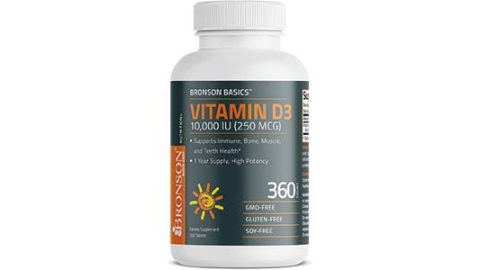
Vitamins play a crucial role in our overall health. Let's focus on two essential vitamins: D and B12. Vitamin D is a superstar for bone health and immune function. Adults under 71 should aim for 600 IU daily, while those 71 and older need 800 IU. Many experts suggest 800 to 1,000 IU for most adults. This sunshine vitamin helps prevent osteoporosis and keeps your bones strong.
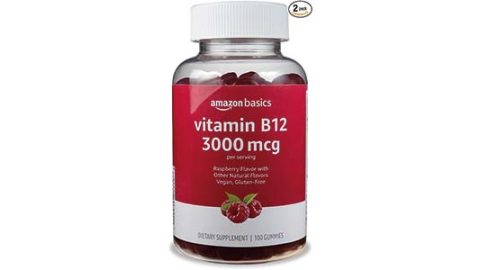
Vitamin B12 is your body's energy booster. Adults typically need 2.4 micrograms per day. It's vital for making red blood cells and keeping your nerves happy. B12 also helps prevent anemia and keeps your brain sharp. If you're over 50 or follow a plant-based diet, you might need more B12.
Remember, these are general guidelines. Your needs may vary based on age, health, and lifestyle. It's always best to chat with your doctor before starting any new supplement routine. They can help you find the perfect balance for your unique body.

The Future of Vitamins and Supplements
The world of vitamins and supplements is evolving rapidly. Personalized nutrition is gaining traction, with companies offering tailored supplement plans based on individual health profiles. This approach uses genetic testing and biomarker analysis to create custom formulations. It's an exciting development that could revolutionize how we approach supplementation.
Emerging research is uncovering potential new supplements. For instance, scientists are exploring the benefits of specific probiotics for mental health. Another area of interest is adaptogens, herbs that may help the body resist stressors. These could become popular additions to supplement regimens in the coming years.
Changing dietary habits are also influencing supplement use. As plant-based diets grow in popularity, we're seeing increased demand for vegan-friendly supplements. This trend is driving innovation in supplement sourcing and production methods. Manufacturers are developing new ways to deliver nutrients typically found in animal products.
The future may also bring advancements in supplement delivery systems. Researchers are working on methods to improve nutrient absorption and bioavailability. This could lead to more effective supplements that require smaller doses.
As our understanding of nutrition deepens, we can expect to see more targeted supplements hitting the market. These might address specific health concerns or support particular bodily functions. The key will be balancing innovation with safety and efficacy.
Remember, while these developments are promising, it's crucial to approach supplements with a critical eye. Always consult with healthcare professionals and stay informed about the latest research. The future of vitamins and supplements looks bright, but it's up to us to use them wisely as part of a holistic approach to health.

Conclusion: Making Informed Choices
Choosing the right vitamins and supplements can be a game-changer for your health. But remember, it's not a one-size-fits-all solution. Your body's needs are unique, just like you. That's why it's crucial to chat with your healthcare provider before starting any new supplement regimen. They can help you figure out what your body really needs based on your lifestyle, diet, and health goals.
Don't forget, supplements are meant to complement a balanced diet, not replace it. Eating a rainbow of fruits and veggies, whole grains, and lean proteins is still the best way to get most of your nutrients. Think of supplements as your nutritional backup dancers, not the main act.
Stay informed about the latest research on vitamins and supplements. What we know about nutrition is always evolving. Keep an open mind, but also be critical of bold claims. Your health journey is a marathon, not a sprint. Make choices that support your long-term well-being, and you'll be on the right track to feeling your best.