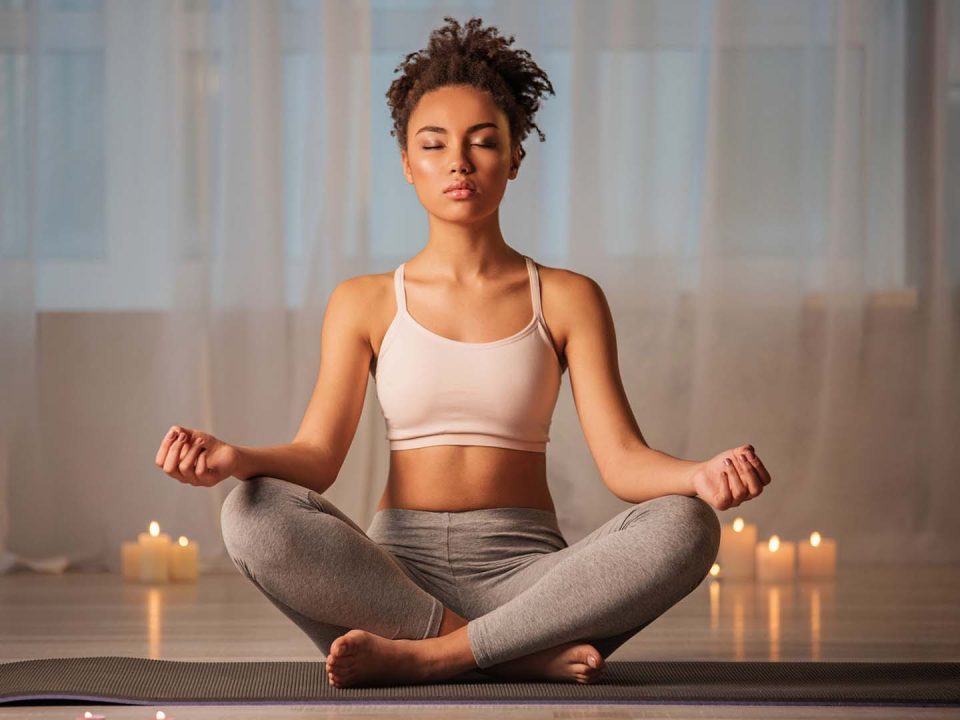
Looking to start your meditation journey? You're joining a growing movement. According to the National Center for Complementary and Integrative Health, meditation practice has tripled in the US since 2012, with over 14% of adults now making it part of their daily routine (source).
Think of meditation like a buffet of mental wellness tools – there's something for everyone. Whether you're seeking stress relief, better focus, or deeper self-awareness, different meditation styles offer unique paths to these goals. Recent research from Harvard Medical School shows that just 8 weeks of regular meditation can actually change your brain structure, improving memory and emotional regulation (source).
In this guide, we'll explore various meditation techniques that have been proven effective through scientific research. From the structured approach of mindfulness meditation to the movement-based practices of walking meditation, you'll discover options that fit your lifestyle and preferences. The American Psychological Association reports that regular meditation can reduce anxiety, enhance focus, and boost emotional well-being (source).
Ready to find your perfect meditation match? Let's dive into the different types and help you discover which practice resonates with you most. Remember, there's no one-size-fits-all in meditation – it's about finding what works best for you.
Understanding Meditation Basics
Meditation is a mental practice that trains your attention and awareness. Think of it as a gym workout for your mind, helping you achieve mental clarity and emotional calm. Research from the American Psychological Association shows that regular meditation can reduce stress, improve focus, and boost emotional well-being.
At its core, meditation involves focusing your attention on a specific object, thought, or activity. This could be your breath, a sound, or even physical sensations in your body. According to Harvard Health, the practice activates your body's relaxation response, lowering blood pressure and heart rate.
Every meditation practice shares some common elements. You'll need a quiet space, a comfortable position, and an open attitude. Don't worry about "doing it right" – there's no perfect way to meditate. Studies from the National Center for Complementary and Integrative Health confirm that even brief sessions can make a difference.
The benefits of meditation are backed by solid science. Regular practice can help reduce anxiety, manage chronic pain, and Improve sleep quality. A groundbreaking study in Psychiatry Research found that just eight weeks of meditation can actually change brain regions associated with memory, sense of self, and stress regulation.
Remember, meditation isn't about stopping your thoughts – it's about observing them without judgment. Start with just 5 minutes daily. As you build consistency, you'll discover which techniques work best for you.

Mindfulness Meditation
Mindfulness meditation is your gateway to present-moment awareness. This practice involves observing your thoughts and sensations without judgment. Think of it as watching clouds pass by in the sky of your mind – you notice them but don't get caught up in their story.
Research from the American Psychological Association shows that just 8 weeks of mindfulness practice can reduce anxiety by 58% and improve focus by 14%. The best part? You can start with just 5 minutes a day.
Here's how to begin: Find a comfortable seat and focus on your breath. When your mind wanders (and it will!), gently bring your attention back to your breathing. According to Headspace, this simple act strengthens your attention like a mental workout.
Studies from the National Center for Complementary and Integrative Health reveal that regular mindfulness practice can:
- Lower blood pressure
- Improve sleep quality
- Reduce chronic pain
- Boost immune function
Start with these beginner-friendly steps:
- Set a timer for 5 minutes
- Focus on your natural breathing
- Notice when your mind wanders
- Return to your breath without criticism
- Gradually increase duration as you feel comfortable
Remember, consistency matters more than duration. A daily 5-minute practice will serve you better than occasional hour-long sessions. Your mind will wander – that's normal and actually part of the practice!
Transcendental Meditation
Transcendental Meditation (TM) stands out as a simple yet powerful technique that's backed by extensive research. This practice involves silently repeating a personalized mantra for 20 minutes, twice daily. Unlike other forms of meditation, TM doesn't require concentration or mindfulness – you simply let your mind wander naturally.
Research from the Journal of Clinical Psychology shows TM can reduce anxiety by up to 39% in just eight weeks. The technique has gained significant attention for its cognitive benefits, with studies revealing improved memory, focus, and creative thinking. According to research published in Psychological Reports, TM practitioners show higher levels of brain coherence and integration compared to other meditation techniques.
Getting started with TM typically requires learning from a certified instructor. During your sessions, you'll sit comfortably with your eyes closed while mentally repeating your mantra. The practice is unique because it doesn't involve controlling thoughts or monitoring breathing – it's effortless and natural.
The American Heart Association has recognized TM's effectiveness in reducing blood pressure and stress levels. A study in the Journal of Alternative and Complementary Medicine found that TM practitioners experienced a 48% reduction in symptoms of depression and anxiety compared to those using other relaxation techniques.

Sources:
- Journal of Clinical Psychology: https://onlinelibrary.wiley.com/journal/10974679
- American Heart Association: https://www.heart.org/en/news/2020/09/10/transcendental-meditation-may-help-lower-blood-pressure
- Journal of Alternative and Complementary Medicine: https://www.liebertpub.com/doi/10.1089/acm.2013.0204
Loving-Kindness Meditation
Loving-kindness meditation, also known as Metta meditation, focuses on developing feelings of goodwill, kindness, and compassion towards yourself and others. This ancient practice begins with directing positive thoughts toward yourself and gradually extends to others, creating ripples of compassion that expand outward.
Research from the University of Wisconsin-Madison shows that regular practice strengthens areas of the brain linked to empathy and emotional regulation. Just 7 weeks of practice can increase feelings of social connection and reduce social anxiety.
The practice follows a simple yet powerful structure. Start by sitting comfortably and focusing on your breath. Direct warm wishes toward yourself using phrases like "May I be happy" or "May I be peaceful." A study in the Journal of Research in Personality found that this self-directed compassion significantly reduces self-criticism and increases self-kindness.
Gradually extend these wishes to others: first to loved ones, then to neutral people, and finally to difficult people in your life. According to research published in Psychological Science, this progression helps build genuine feelings of connection and reduces implicit bias against others.
Start with 5-10 minutes daily for the best results. The American Psychological Association reports that consistent practice can lead to increased positive emotions, reduced depression, and improved relationships within 8 weeks.
Remember, the goal isn't to force feelings but to cultivate them naturally. Like watering a garden, you're nurturing seeds of compassion that will grow with time and attention.
Movement-Based Meditation
Not all meditation requires sitting still. Movement-based meditation combines gentle physical activity with mindful awareness, making it perfect if you struggle with traditional seated practices. Walking meditation, tai chi, and qigong are powerful ways to find peace through motion.
Walking meditation transforms a simple stroll into a mindful journey. Focus on each step, feeling your feet connect with the ground. Research from Harvard Health shows this practice can reduce anxiety while improving cardiovascular health.
Tai chi, often called "meditation in motion," blends flowing movements with deep breathing. Studies published in The Journal of Clinical Medicine reveal that regular tai chi practice can enhance balance, reduce stress, and boost immune function. Start with basic moves like "Wave Hands Like Clouds" or "Grasp the Bird's Tail."
Qigong combines breathing techniques with gentle movements to cultivate and balance your body's energy. According to Frontiers in Psychology, regular qigong practice improves sleep quality and reduces symptoms of depression.
Ready to try movement meditation? Start with 10 minutes of mindful walking. Find a quiet path and match your breath to your steps. As you build comfort, explore tai chi or qigong classes in your area. Remember, the goal isn't perfection – it's presence in each movement.
Want specific guidance? The Insight Timer app offers free guided walking meditations. For tai chi beginners, Tai Chi for Health Institute provides online resources and certified instructors.
Zen Meditation
Zen meditation, also known as Zazen, offers a powerful path to self-discovery through simplicity and presence. This ancient practice focuses on sitting in stillness while observing your thoughts without judgment. Unlike other forms of meditation, Zen emphasizes posture and breathing as gateways to enlightenment.
The practice begins with finding a comfortable seated position, traditionally on a cushion with crossed legs. Your back should be straight, chin slightly tucked, and hands resting in your lap. According to research from the University of Wisconsin-Madison, this posture naturally promotes alertness and calm.
Modern practitioners have adapted Zen techniques for contemporary life. A study published in the Journal of Clinical Psychology shows that even 10 minutes of daily Zen practice can reduce stress and improve focus. You don't need a monastery or special equipment – just a quiet space and commitment.
Key principles of Zen meditation include:
- Focus on breath awareness
- Maintaining an upright posture
- Letting thoughts pass without engagement
- Regular daily practice
Start with 5-10 minutes of practice each morning. Sit comfortably, focus on your breath, and when thoughts arise, acknowledge them and return to your breathing. Research from Mindfulness Research Center suggests that consistency matters more than duration.
Remember, there's no "perfect" practice in Zen meditation. Each session is unique, and struggles are part of the journey. As the American Zen Teachers Association notes, the goal isn't to empty your mind but to develop a clearer relationship with your thoughts.
Physiological Effects of Meditation
Your brain changes when you meditate regularly. Research from Harvard Medical School shows that just eight weeks of meditation can increase gray matter in areas controlling memory and emotional regulation.
Think of your brain like a muscle - meditation is its workout. A groundbreaking study in NeuroImage found that long-term meditators had stronger neural connections in areas responsible for focus and calm. Their brains actually processed stress differently than non-meditators.
The benefits go beyond your brain. According to the American Heart Association, regular meditation can lower blood pressure and reduce inflammation. Your body's stress response becomes more balanced, leading to better sleep and immune function.
Want numbers? Research from the National Center for Complementary and Integrative Health shows that meditation can:
- Reduce anxiety by 60%
- Lower depression symptoms by 75%
- Improve sleep quality by 50%
- Decrease chronic pain by 40%
These changes aren't temporary. A study in Psychiatry Research found that meditation creates lasting positive changes in brain structure. The more you practice, the stronger these benefits become.
Remember, these changes don't happen overnight. Start with just 5 minutes daily and build up gradually. Your brain and body will thank you for it.

Getting Started with Meditation
Ready to begin your meditation journey? Let's make it simple and achievable. Finding the right meditation style is like choosing a new workout - it should feel good and match your goals.
Start by experimenting with guided meditation apps. According to a 2023 Headspace study, beginners who use guided sessions are 32% more likely to maintain a regular practice. Popular apps like Calm, Insight Timer, and Headspace offer free trials to help you explore different styles.
Set yourself up for success with these proven steps:
- Start small - 5 minutes daily is perfect for beginners
- Pick a consistent time (morning often works best)
- Find a quiet spot where you won't be disturbed
- Use comfortable seating - a chair is fine
- Set a gentle reminder on your phone
Common challenges? You're not alone. Research from the National Center for Complementary and Integrative Health shows that 80% of new meditators struggle with racing thoughts. Remember - noticing these thoughts is part of the practice.
Need extra support? Consider joining a meditation group. A 2022 study in Frontiers in Psychology found that group meditation increased commitment by 47% compared to solo practice.
Track your progress using a simple journal or app. Note how you feel before and after each session. This helps you stay motivated and see your improvement over time.
Remember - there's no "perfect" way to meditate. Choose what feels right and adjust as needed. Your practice will grow naturally with patience and consistency.
Conclusion
Ready to start your meditation journey? The path to inner peace is more accessible than you might think. Each meditation style offers unique benefits that can enhance your daily life. Mindfulness helps sharpen focus and reduce stress, while loving-kindness meditation strengthens relationships and emotional well-being. Movement meditation provides a gentle bridge between physical activity and mental clarity.
According to the National Center for Complementary and Integrative Health, even 10 minutes of daily meditation can make a significant difference in your mental health. Start with guided sessions through apps like Headspace or Calm. These platforms offer beginner-friendly programs that help you explore different techniques at your own pace.
Remember, there's no "perfect" way to meditate. Choose a style that resonates with you and fits your lifestyle. If sitting still feels challenging, try walking meditation. If you're seeking emotional balance, explore loving-kindness practices. The American Psychological Association confirms that consistency matters more than duration or technique.
Ready to take the next step? Check out free meditation resources on Healthline or join a local meditation group. Your journey to inner peace starts with a single breath. Take that first step today.